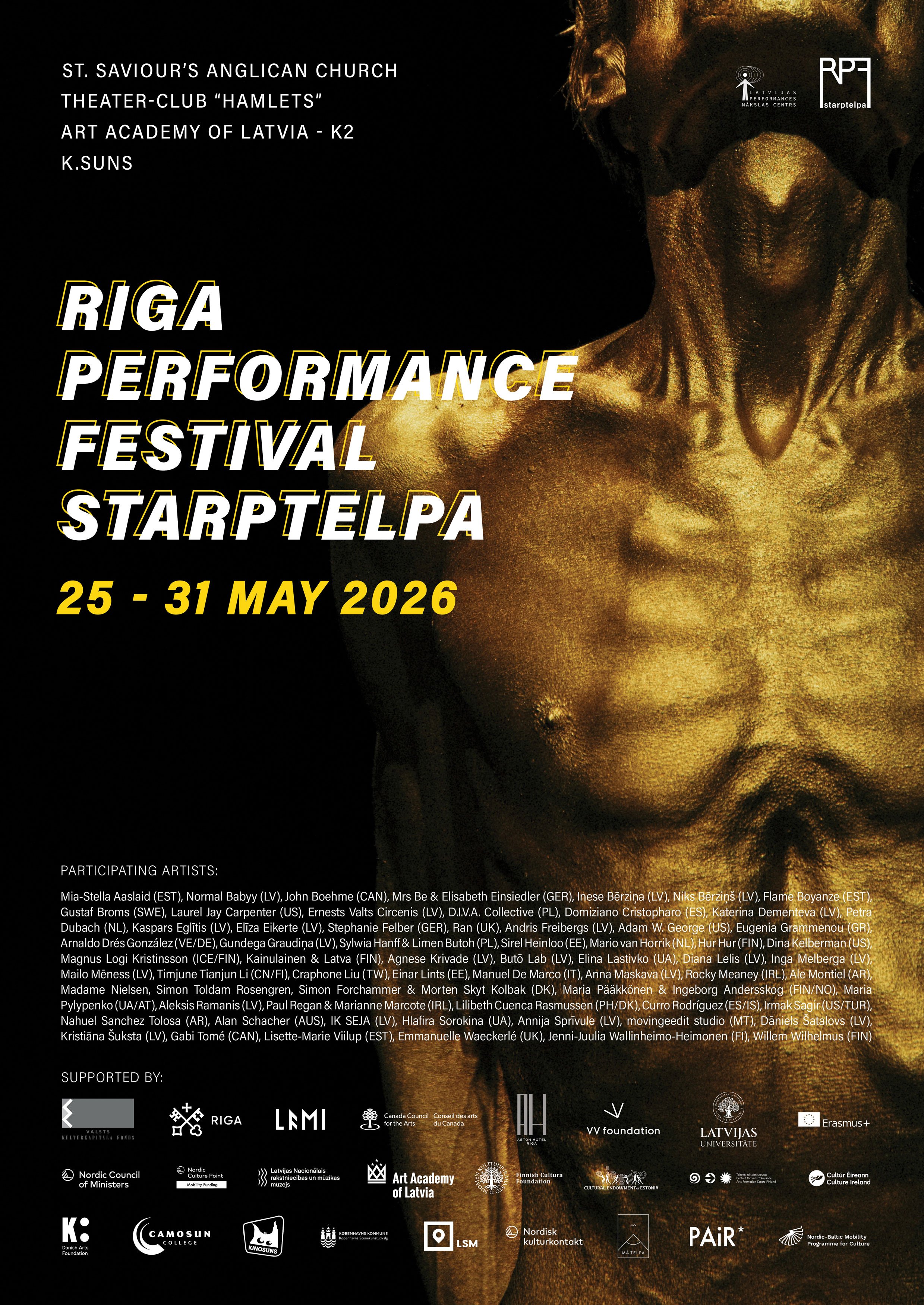
Riga Performance Festival Starptelpa 2026
25 - 31 may 2026
Location: St. Saviour's Anglican Church, Theater-Club “Hamlets”, Cinema K. Suns, Art Academy of Latvia
Theme: sonic vibrations
sonic vibrations
Starptelpa 2026 resonated with the theme of Sonic Vibrations: the echoes, dissonances, and reverberations that bound bodies, histories, and futures through sound. In performance, vibration was never neutral – it unsettled boundaries, lingered across generations, and animated heritage as an embodied, contested process.
Following Laurajane Smith’s provocation that “there is, however, no such thing as heritage” (Smith 2006, 44), the festival understood heritage not as a static monument but as a living cultural performance – a continual process of remembering, rejecting, and reimagining. Sound, like heritage, refused closure: it leaked across walls, collided with silence, and carried meaning through resonance and rupture.
The festival also engaged with two intertwined conceptual lenses. First, Marianne Hirsch’s notion of postmemory describes how the “generation after” relates to the trauma and silences of those who came before (Hirsch 2012). Here, sonic vibrations became the medium through which what was absent was made felt: a whisper across time, a resonance of unfinished experience. Second, drawing on Chantal Mouffe’s political theory of agonism – which emphasizes the productive aspects of conflict (Mouffe 2013) – the festival staged sound as a site of contestation. Dissonant voices, overlapping rhythms, and competing echoes were embraced not as obstacles but as possibilities for new forms of belonging.
As Johan Öberg has noted, our late-modern society is marked by “an obsession with performing and redefining the past” (Öberg 2010, 6). Starptelpa 2026 foregrounded this obsession through performance: an arena where sound reactivated heritage as both archive and invention.
With St. Saviour’s Anglican Church as the central venue, the festival offered a living instrument. Its acoustics invited expansive reverberations and intimate whispers alike; its architectural layout created pathways for sound and movement to reshape perception. Artists were encouraged to work with the textures of the site - wood, stone, glass - and with its shifting interplay of natural and artificial light. As an open and LGBTQ+ friendly space, the church became both sanctuary and stage, where diverse voices could resonate freely.
In this context, Sonic Vibrations became a way of re-performing heritage: agonistic, embodied, and unfinished. Through sound, performance opened a field of resonance where memory and imagination entwined, where conflict produced meaning, and where audiences encountered heritage not as something fixed, but as something still vibrating.
Laine Kristberga
Creative Director and Curator of Riga Performance Festival Starptelpa
___
Hirsch, Marianne. The Generation of Postmemory: Writing and Visual Culture After the Holocaust. New York: Columbia University Press, 2012.
Jackson, Anthony, and Jenny Kidd, eds. Performing Heritage: Research, Practice and Innovation in Museum Theatre and Live Interpretation. Manchester: Manchester University Press, 2010.
Mouffe, Chantal. Agonistics: Thinking the World Politically. London: Verso, 2013.
Smith, Laurajane. Uses of Heritage. London: Routledge, 2006.
Participating artists
Mia-Stella Aaslaid (EST), Normal Babyy (LV), John Boehme (CAN), Mrs Be & Elisabeth Einsiedler (GER), Inese Bērziņa (LV), Niks Bērziņš (LV), Flame Boyanze (EST), Gustaf Broms (SWE), Laurel Jay Carpenter (US), Ernests Valts Circenis (LV), D.I.V.A. Collective (PL), Domiziano Cristopharo (ES), Katerina Dementeva (LV), Petra Dubach (NL), Kaspars Eglītis (LV), Elīza Eikerte (LV), Stephanie Felber (GER), Ran (UK), Andris Freibergs (LV), Adam W. George (US), Eugenia Grammenou (GR), Arnaldo Drés González (VE/DE), Gundega Graudiņa (LV), Sylwia Hanff & Limen Butoh (PL), Sirel Heinloo (EE), Mario van Horrik (NL), Hur Hur (FIN), Dina Kelberman (US), Magnus Logi Kristinsson (ICE/FIN), Kainulainen & Latva (FIN), Agnese Krivade (LV), Butō Lab (LV), Elina Lastivko (UA), Diana Lelis (LV), Inga Melberga (LV), Mailo Mēness (LV), Timjune Tianjun Li (CN/FI), Craphone Liu (TW), Einar Lints (EE), Manuel De Marco (IT), Anna Maskava (LV), Rocky Meaney (IRL), Ale Montiel (AR), Madame Nielsen, Simon Toldam Rosengren, Simon Forchammer & Morten Skyt Kolbak (DK), Maria Pääkkönen & Ingeborg Andersskog (FIN/NO), Maria Pylypenko (UA/AT), Aleksis Ramanis (LV), Paul Regan & Marianne Marcote (IRL), Lilibeth Cuenca Rasmussen (PH/DK), Curro Rodríguez (ES/IS), Irmak Sagir (US/TUR), Nahuel Sanchez Tolosa (AR), Alan Schacher (AUS), IK SEJA (LV), Hlafira Sorokina (UA), Annija Sprīvule (LV), movingeedit studio (MT), Dāniels Šatalovs (LV), Kristiāna Šuksta (LV), Gabi Tomé (CAN), Lisette-Marie Viilup (EST), Emmanuelle Waeckerlé (UK), Jenni-Juulia Wallinheimo-Heimonen (FI), Willem Wilhelmus (FIN)
26 - 30 May 2026
theater-club “hamlets”, ST. SAVIOUR'S ANGLICAN CHURCH
27 May 2026
19:00 - 22:00, Cinema k.suns
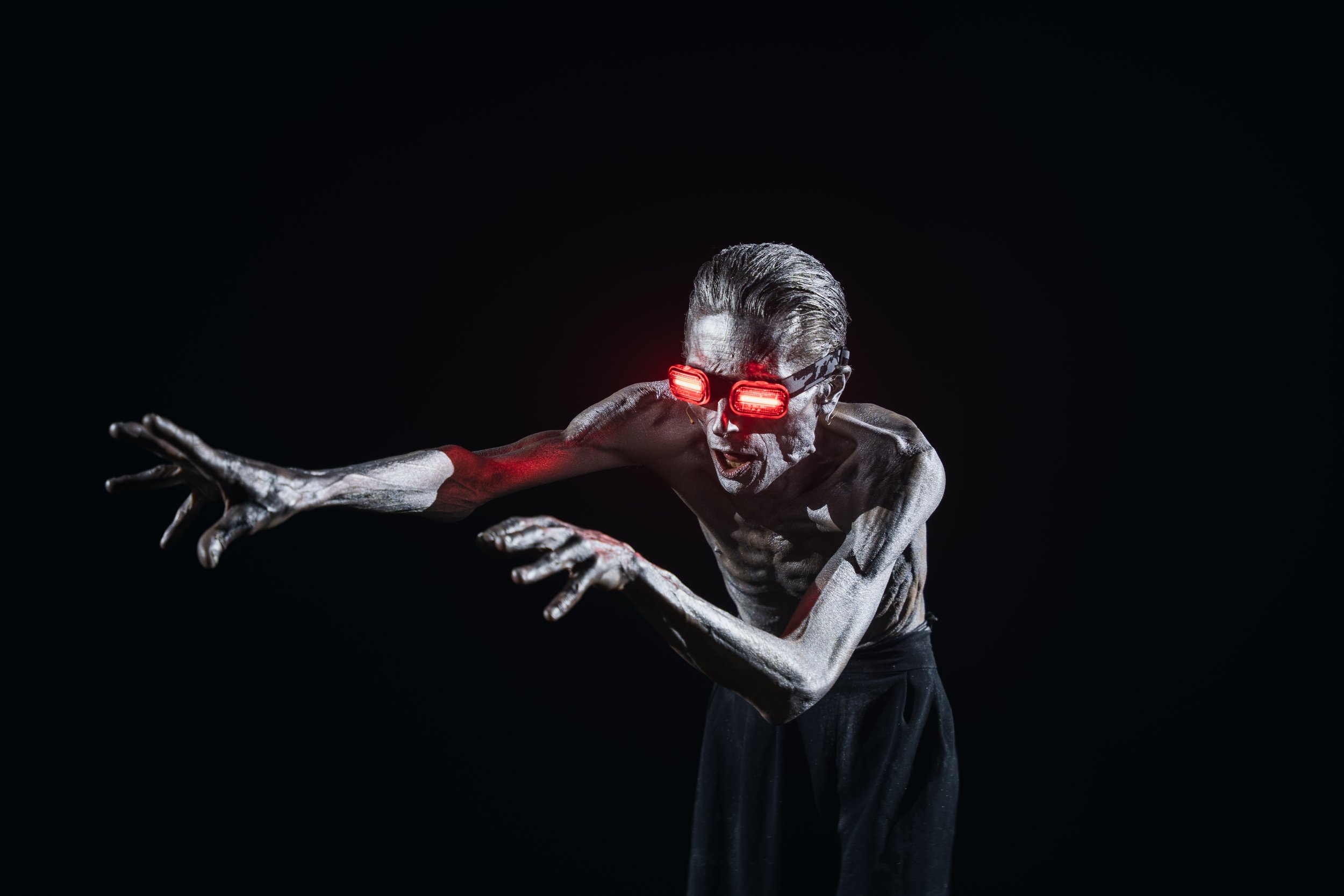
Madame Nielsen. "The Silver Dollar Duke Show" Photo by Anna Maskava
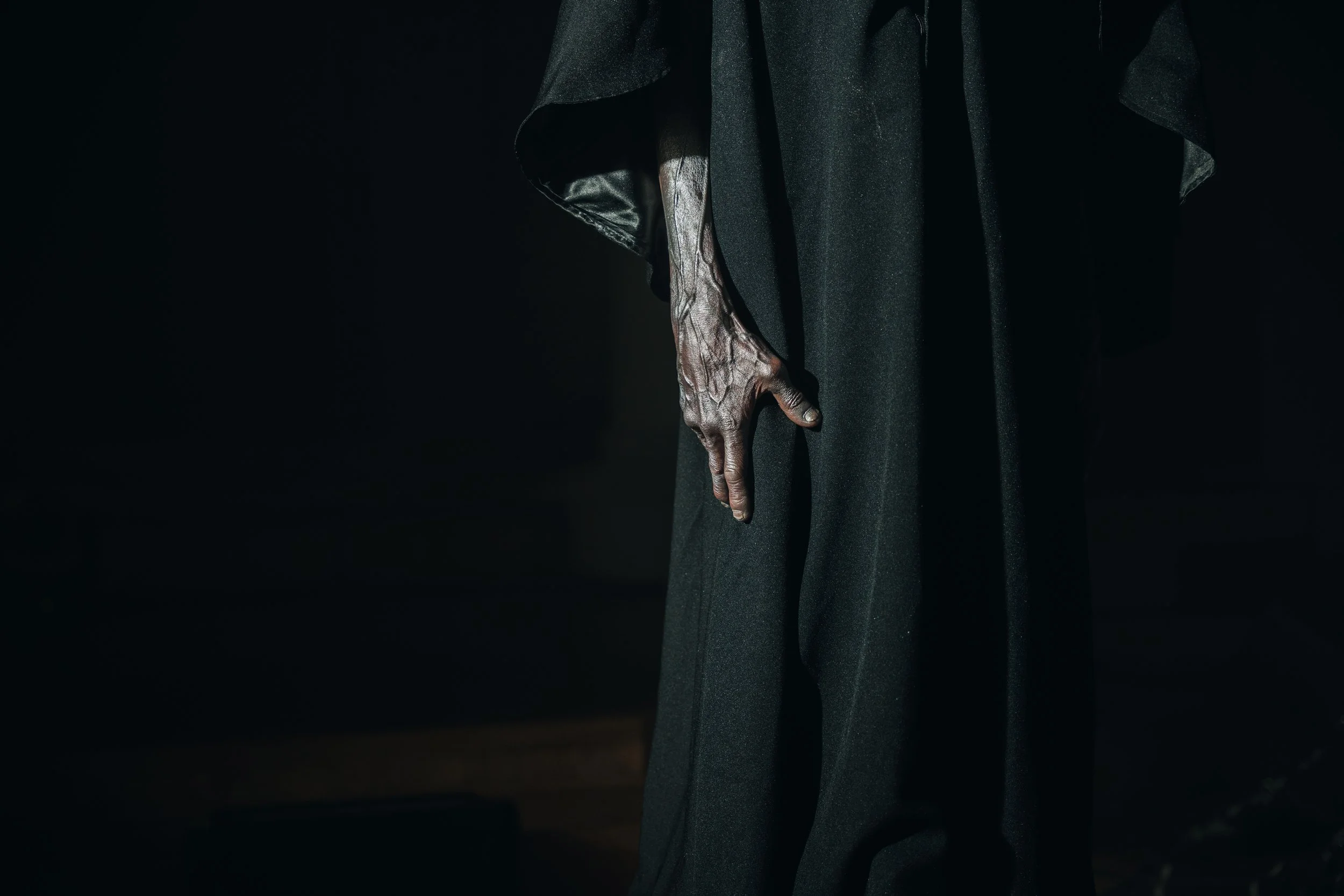
Madame Nielsen. "The Silver Dollar Duke Show" Photo by Anna Maskava
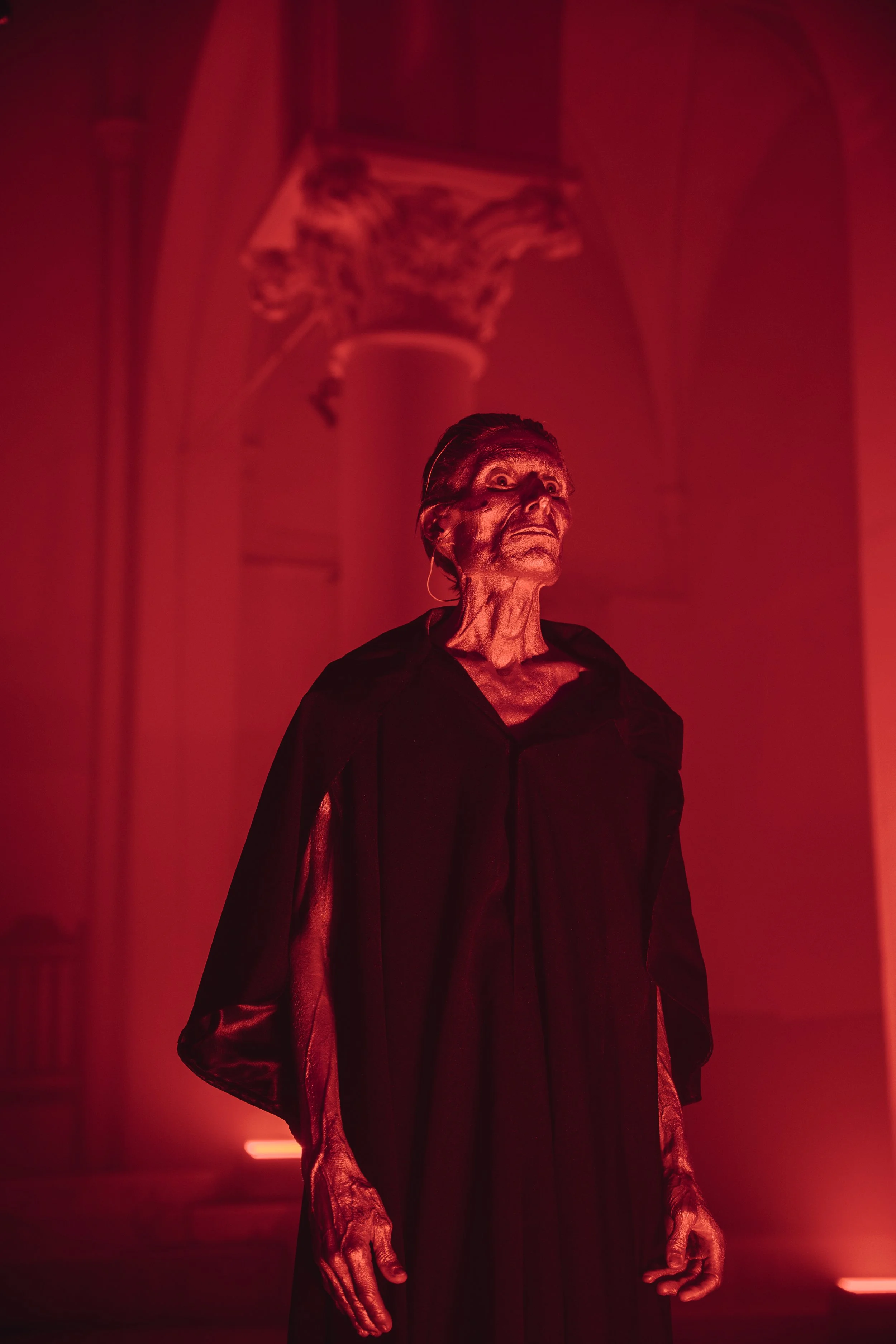
Madame Nielsen. "The Silver Dollar Duke Show" Photo by Anna Maskava
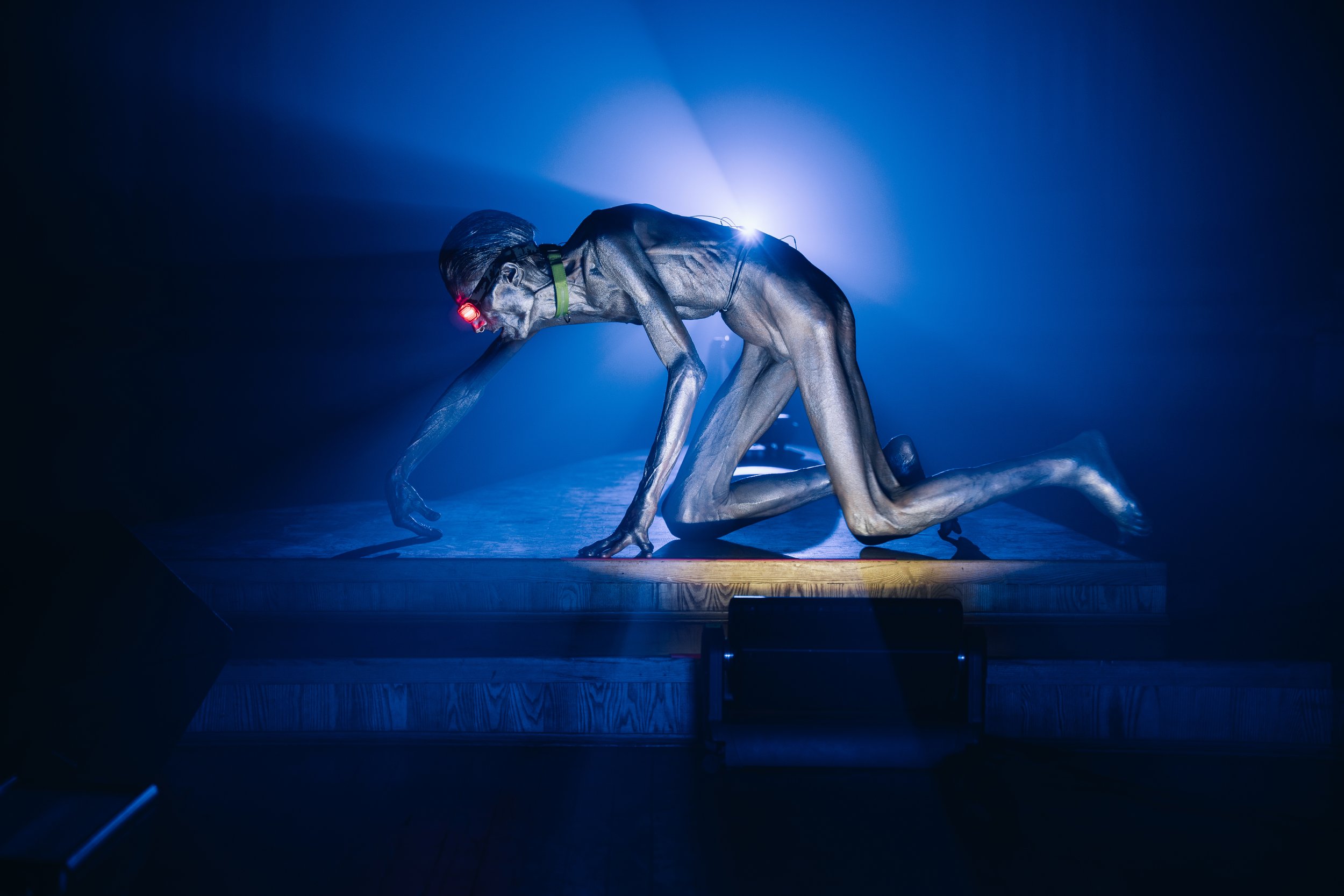
Madame Nielsen. "The Silver Dollar Duke Show" Photo by Anna Maskava
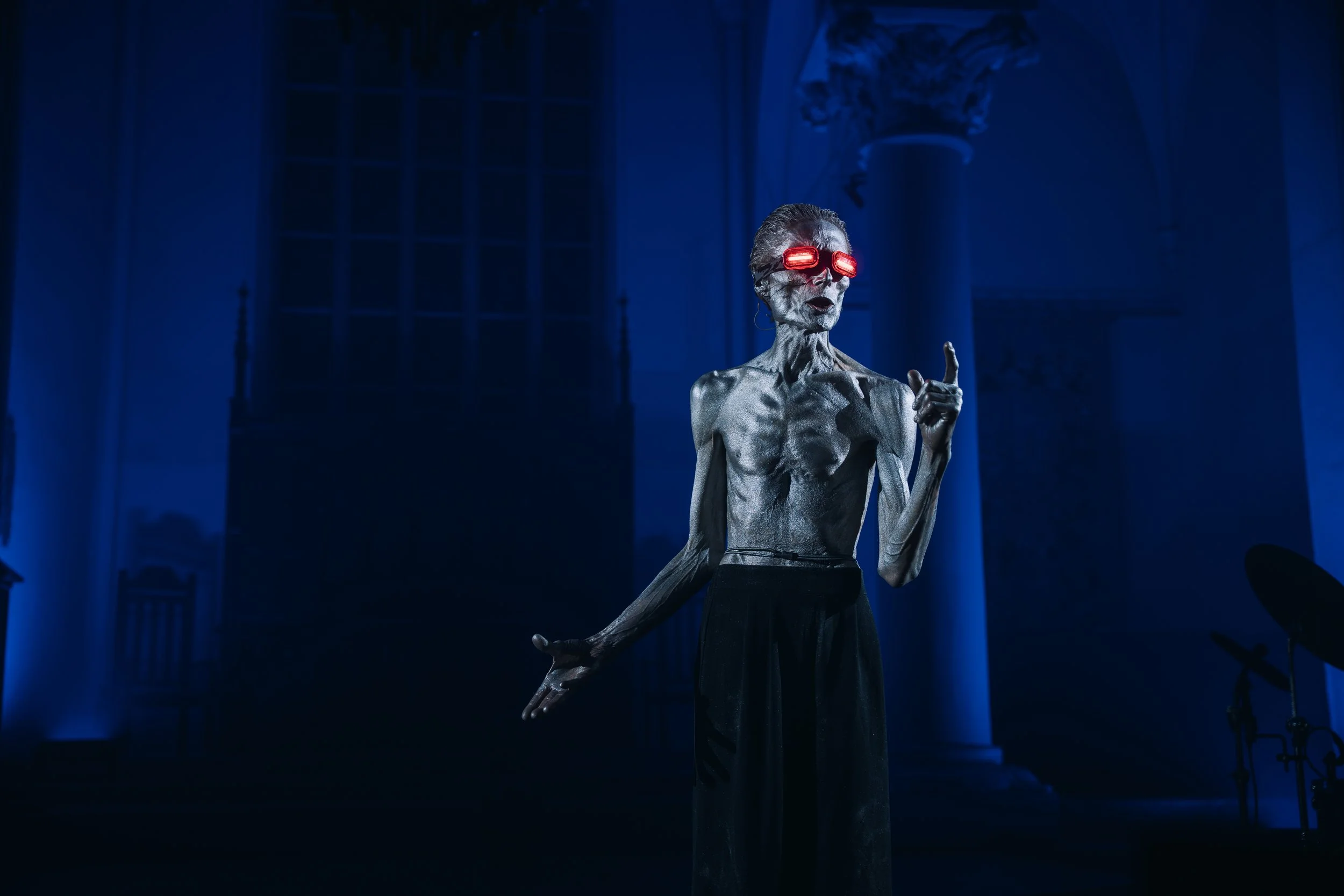
Madame Nielsen. "The Silver Dollar Duke Show" Photo by Anna Maskava
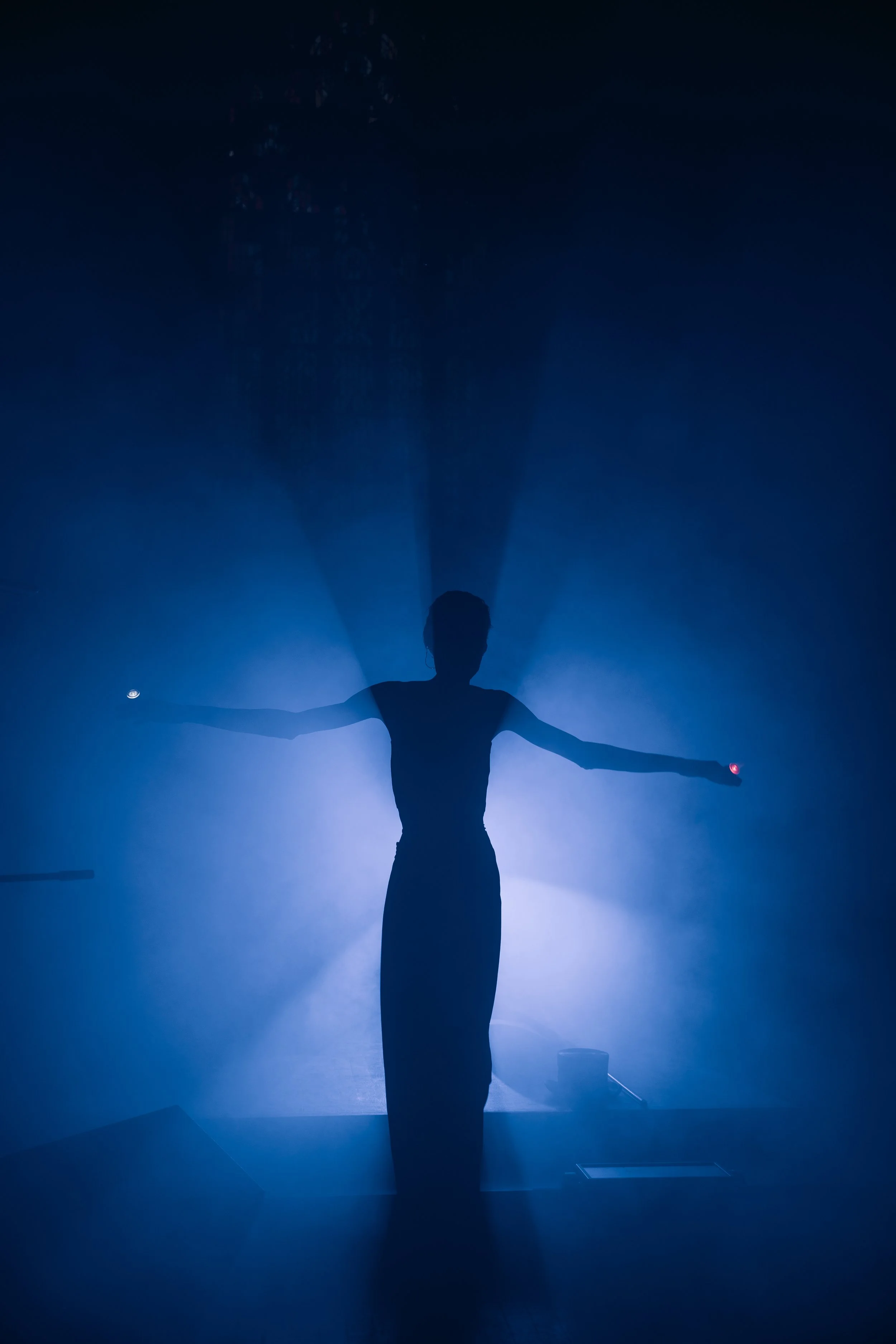
Madame Nielsen. "The Silver Dollar Duke Show" Photo by Anna Maskava
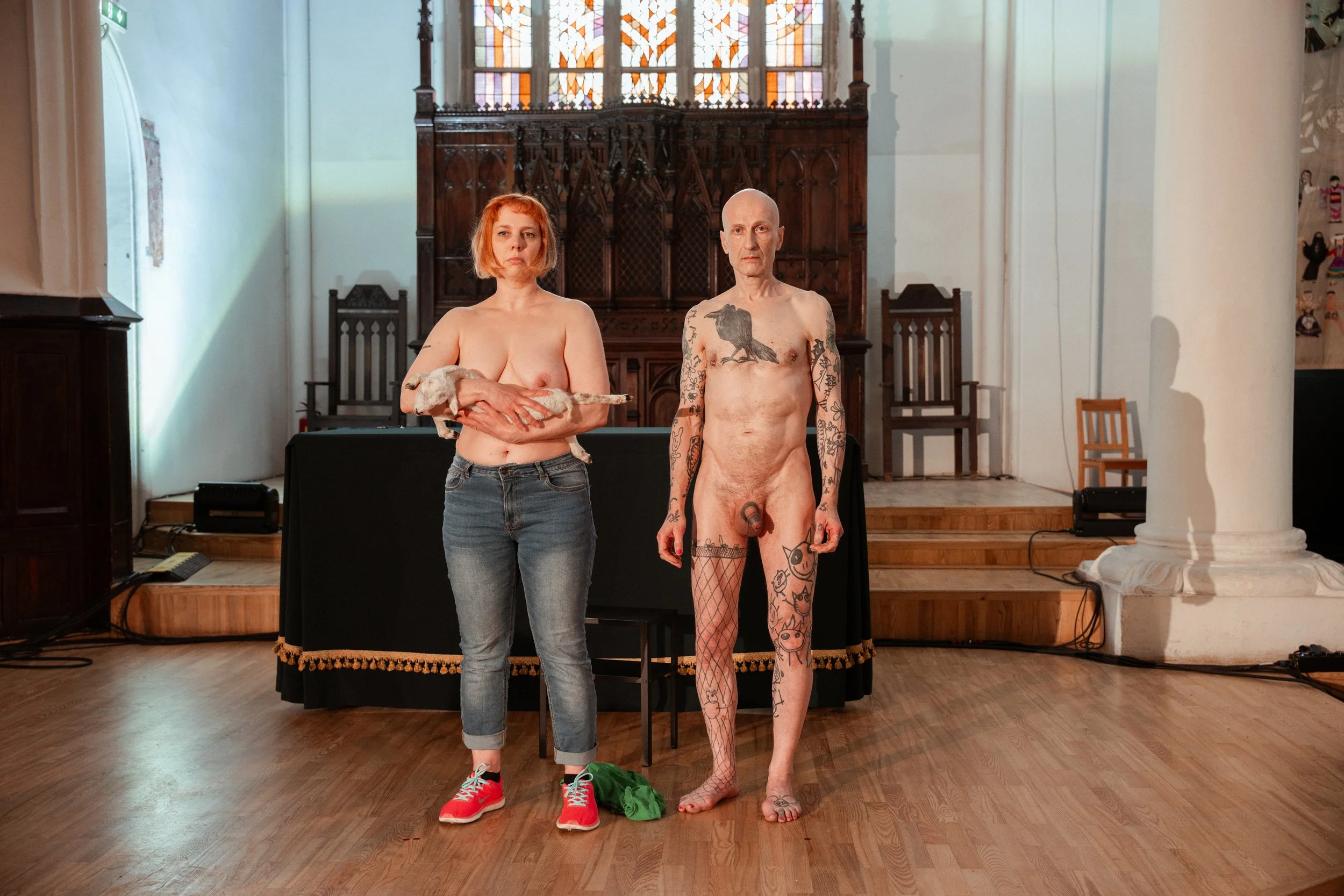
Performance Art Duo Kainulainen & Latva. "Damnatio Memoriae" Photo by Anna Maskava
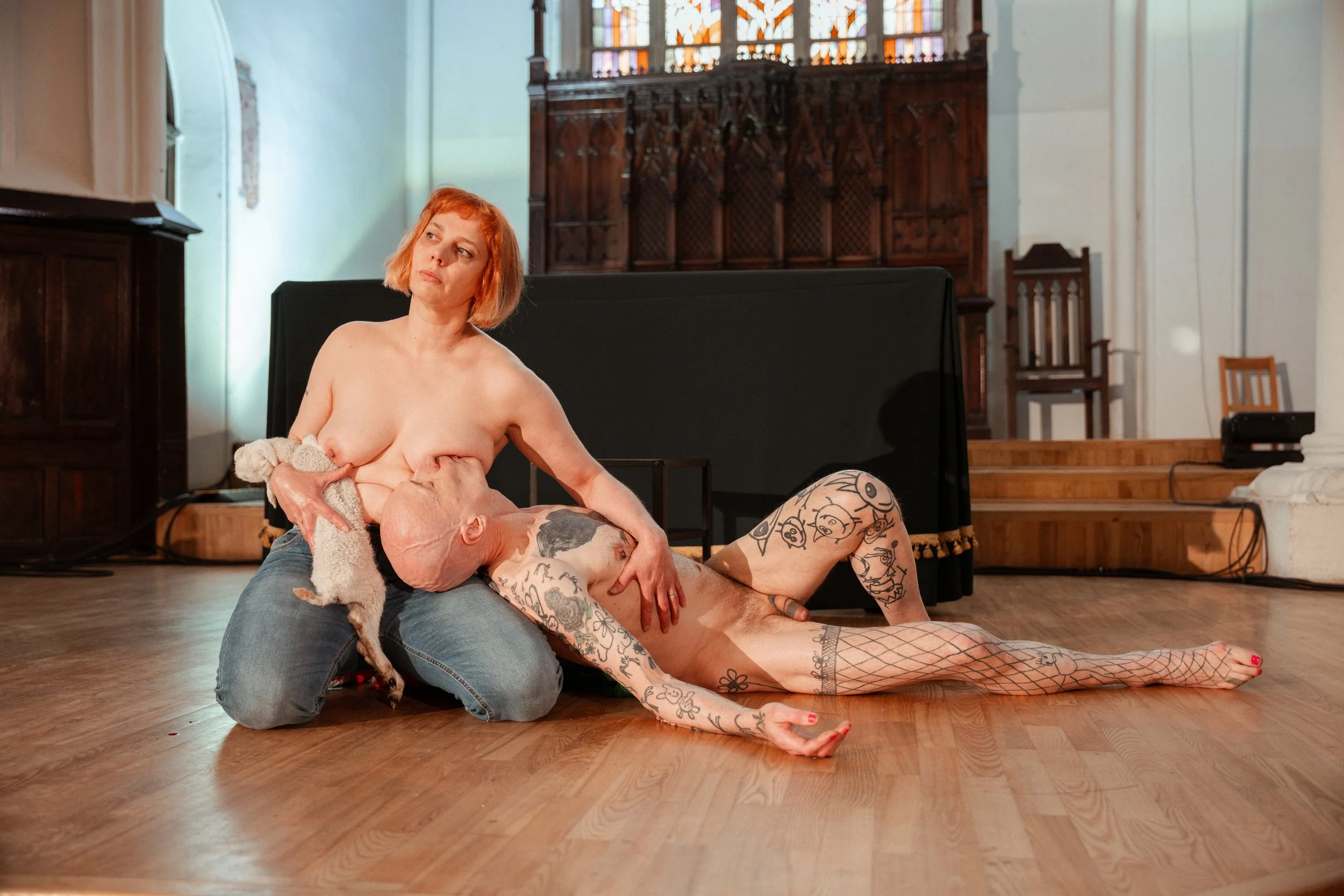
Performance Art Duo Kainulainen & Latva. "Damnatio Memoriae" Photo by Anna Maskava
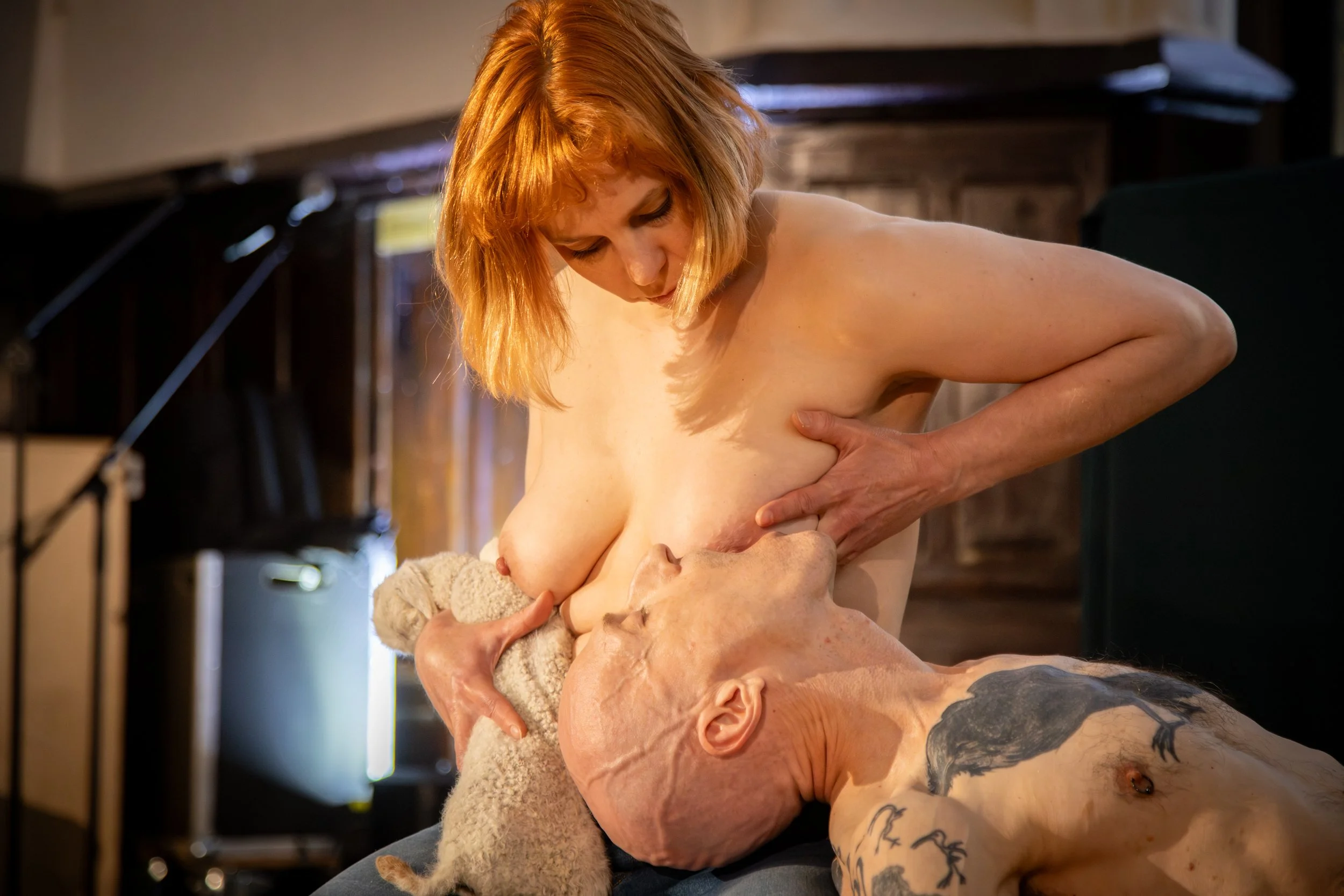
Performance Art Duo Kainulainen & Latva. "Damnatio Memoriae" Photo by Kristaps Dubļāns
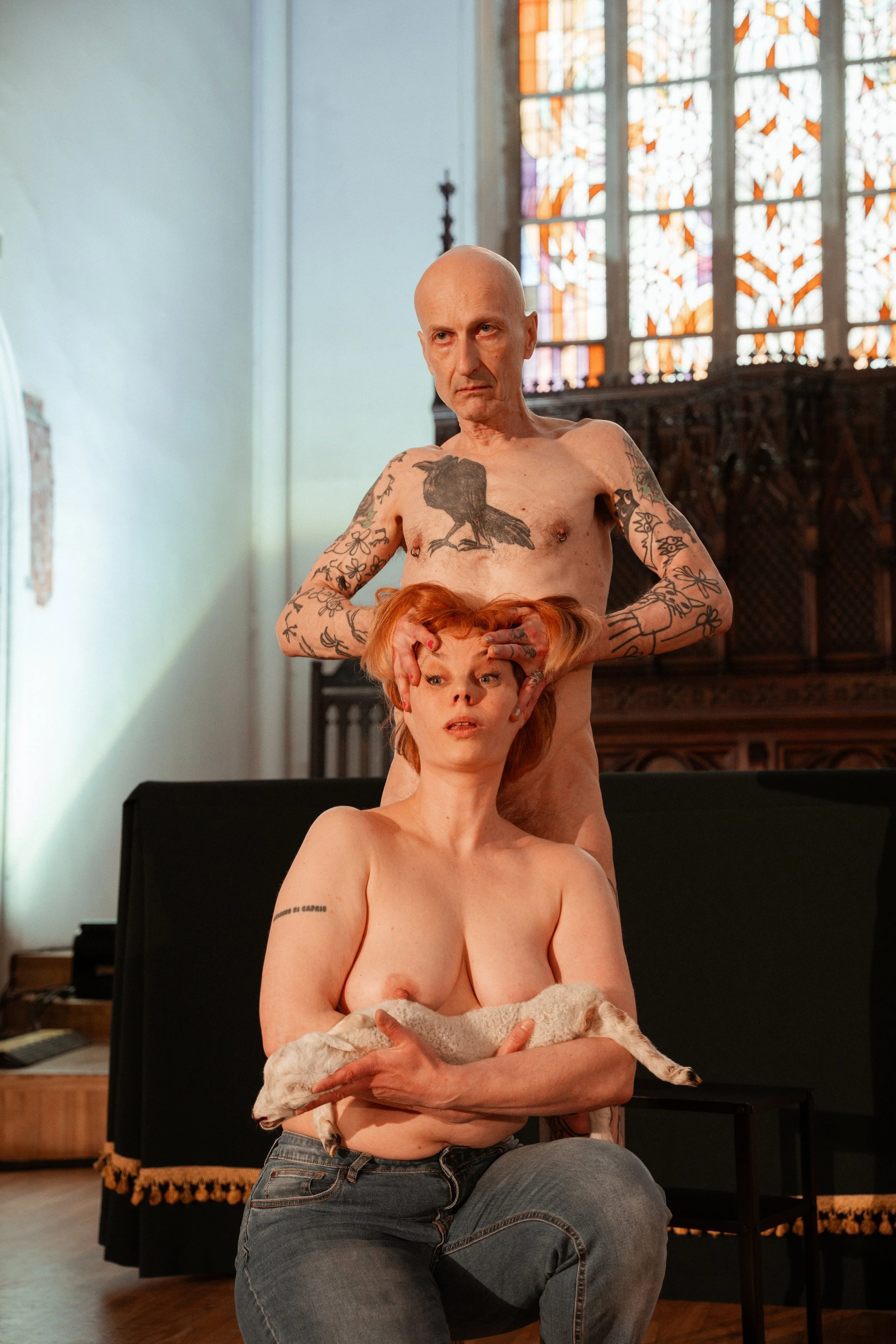
Performance Art Duo Kainulainen & Latva. "Damnatio Memoriae" Photo by Anna Maskava
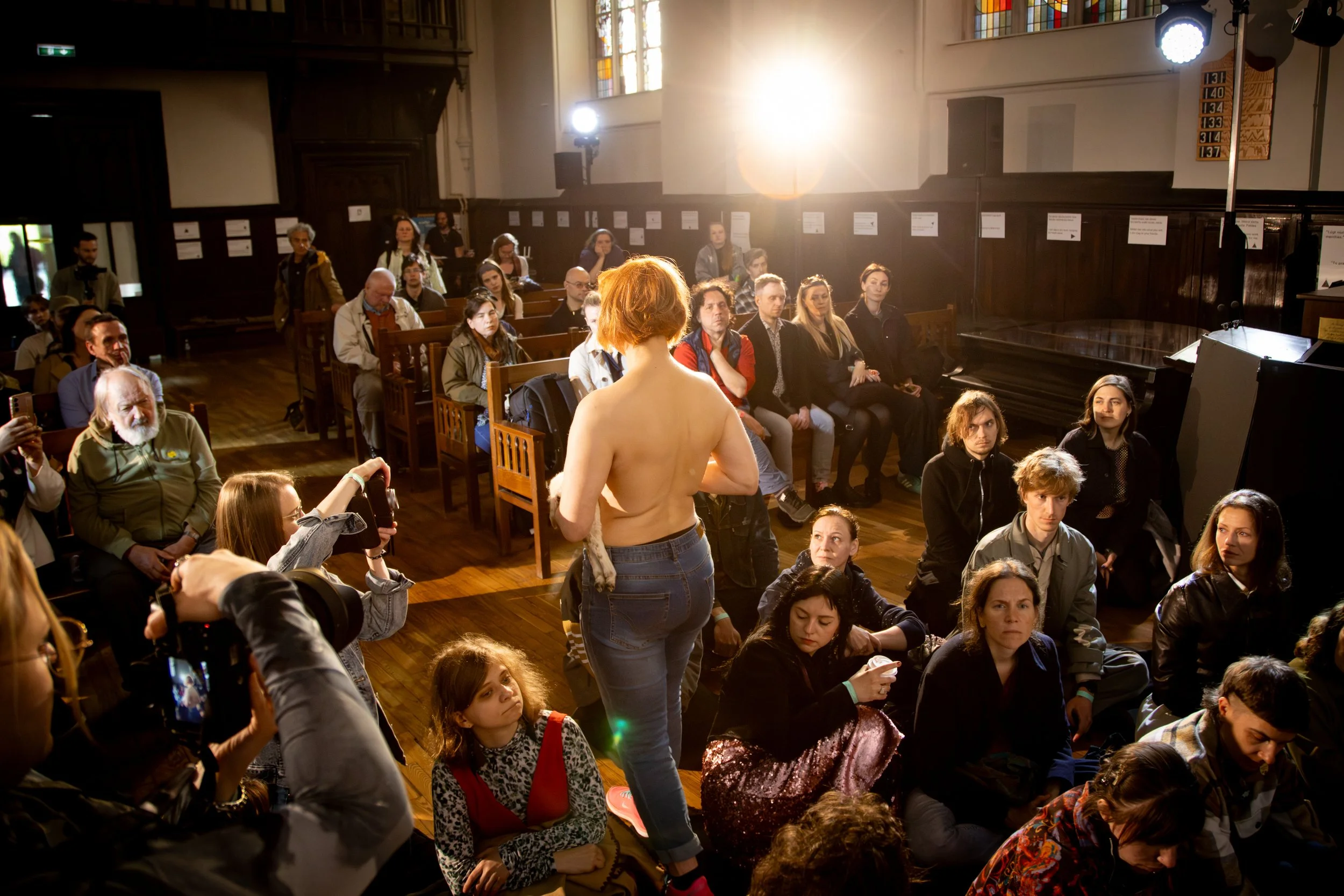
Performance Art Duo Kainulainen & Latva. "Damnatio Memoriae" Photo by Kristaps Dubļāns
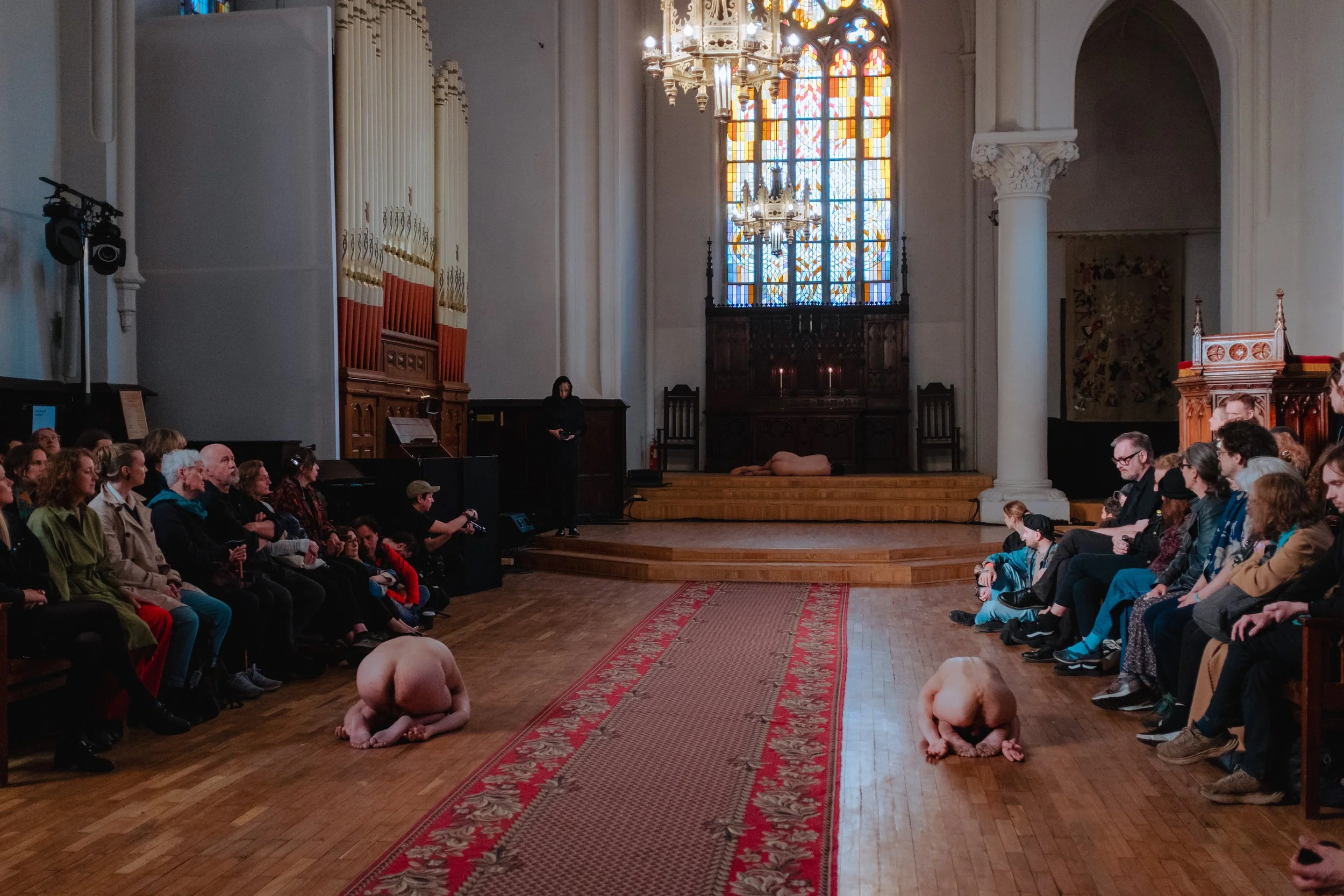
Andris Freibergs. "Bald Boys" Photo by Dace Kundrāte
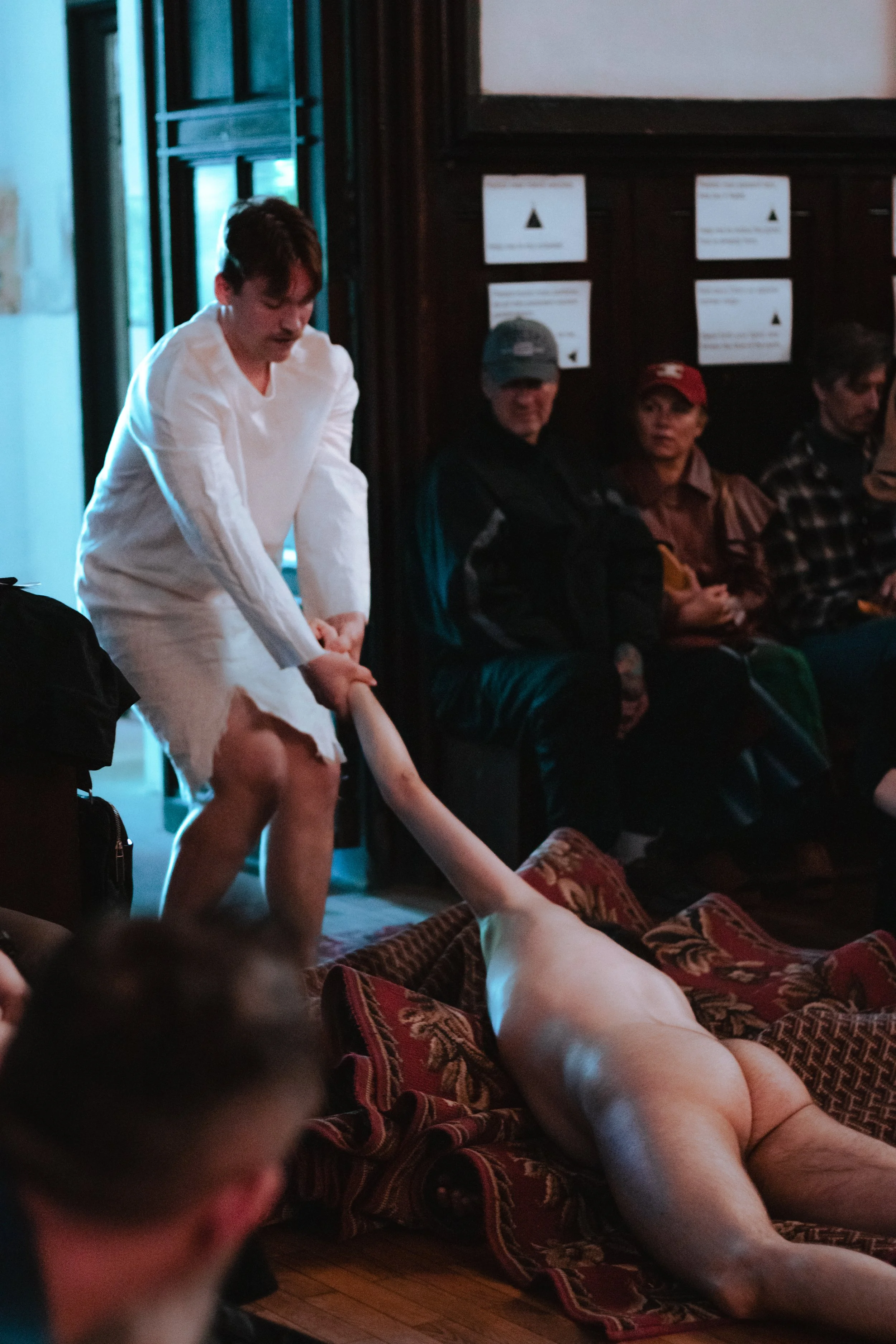
Andris Freibergs. "Bald Boys" Photo by Dace Kundrāte
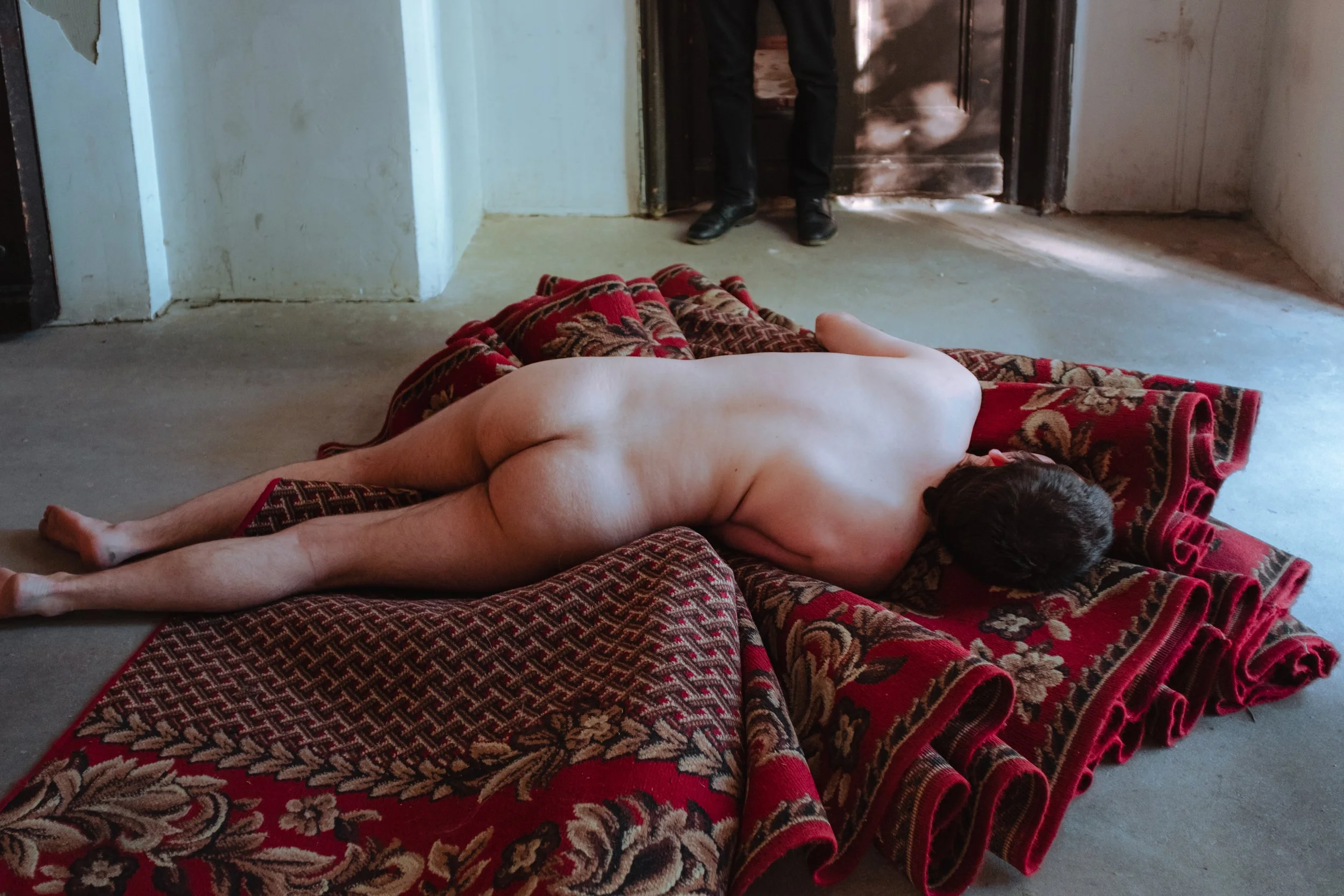
Andris Freibergs. "Bald Boys" Photo by Dace Kundrāte
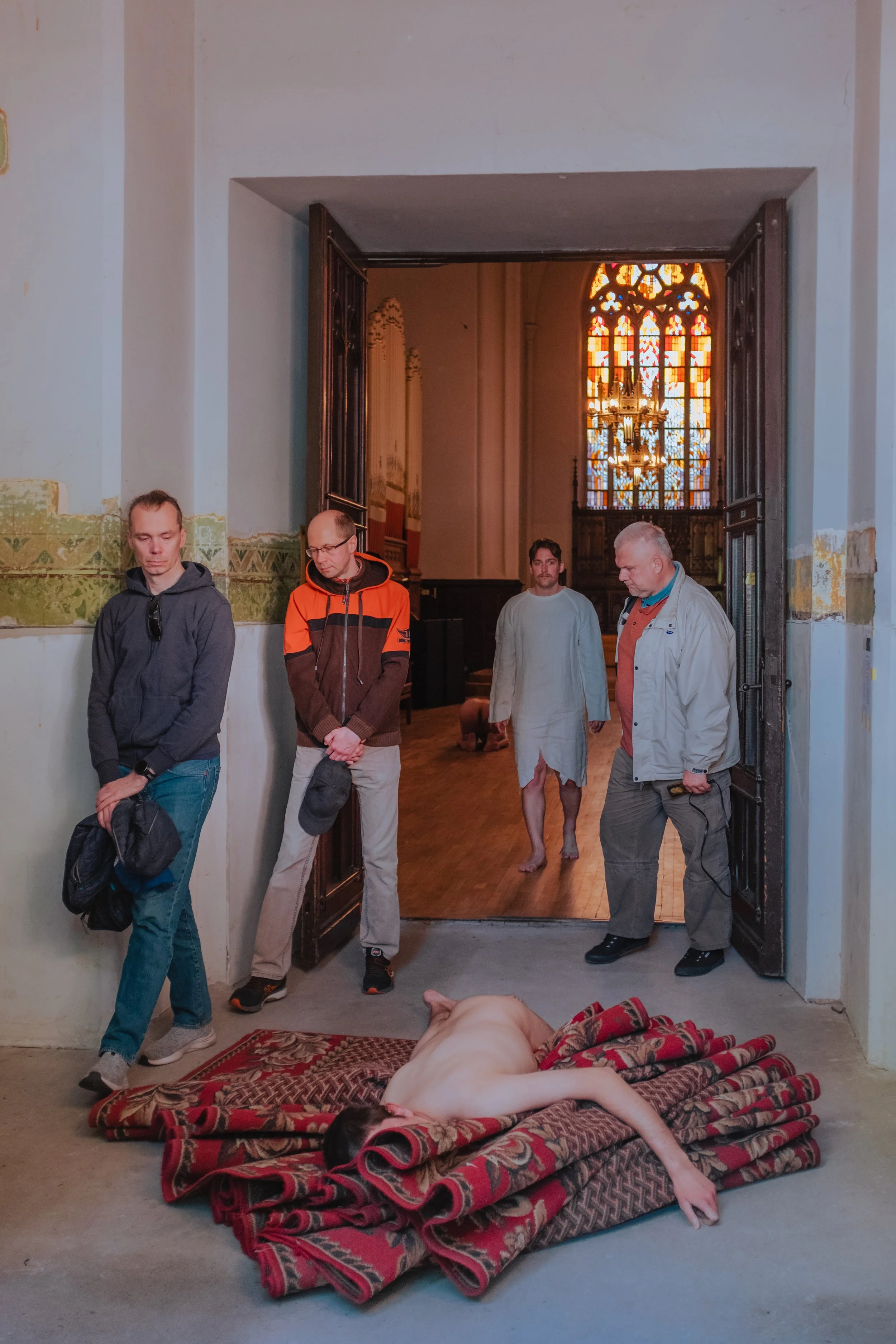
Andris Freibergs. "Bald Boys" Photo by Dace Kundrāte
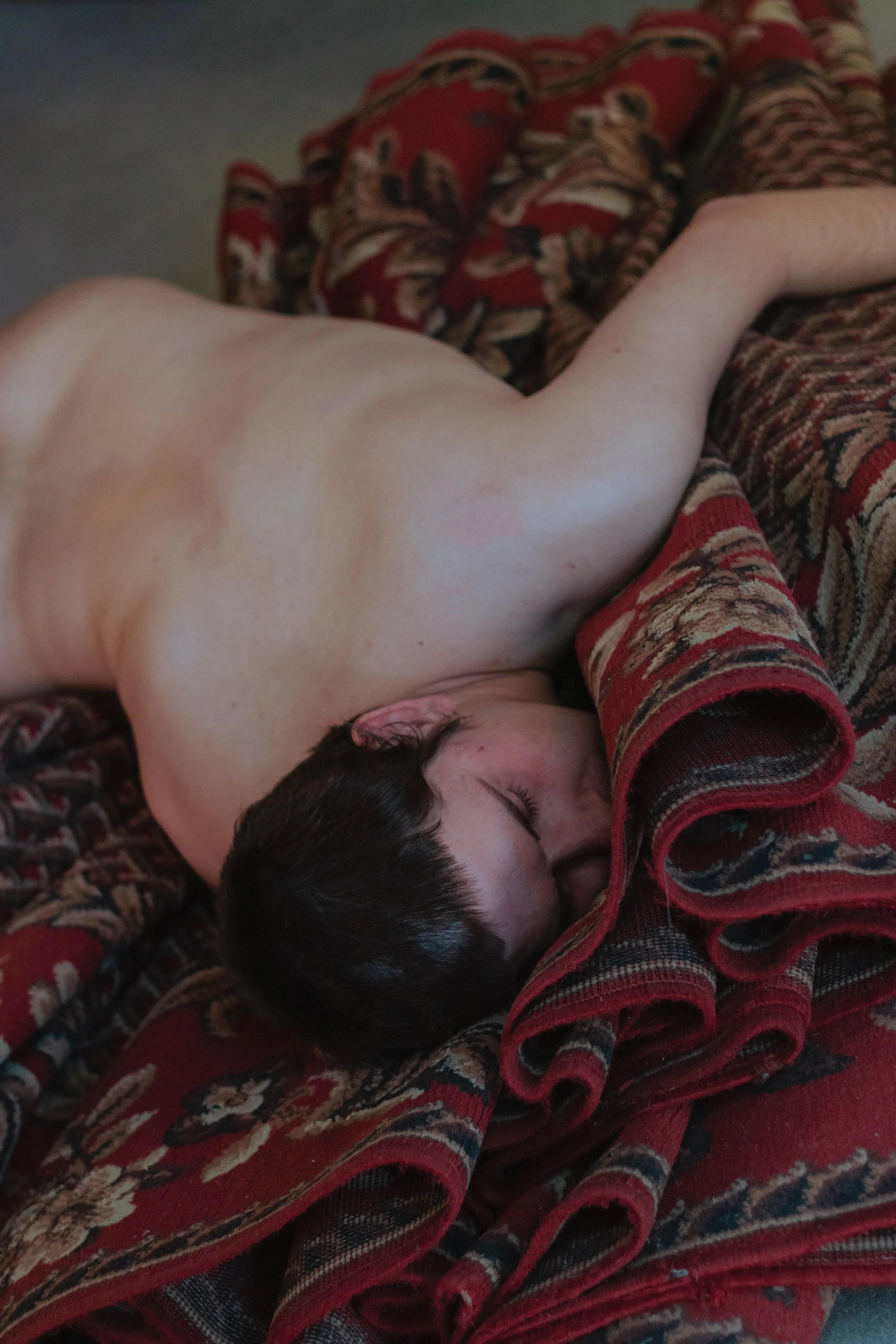
Andris Freibergs. "Bald Boys" Photo by Dace Kundrāte
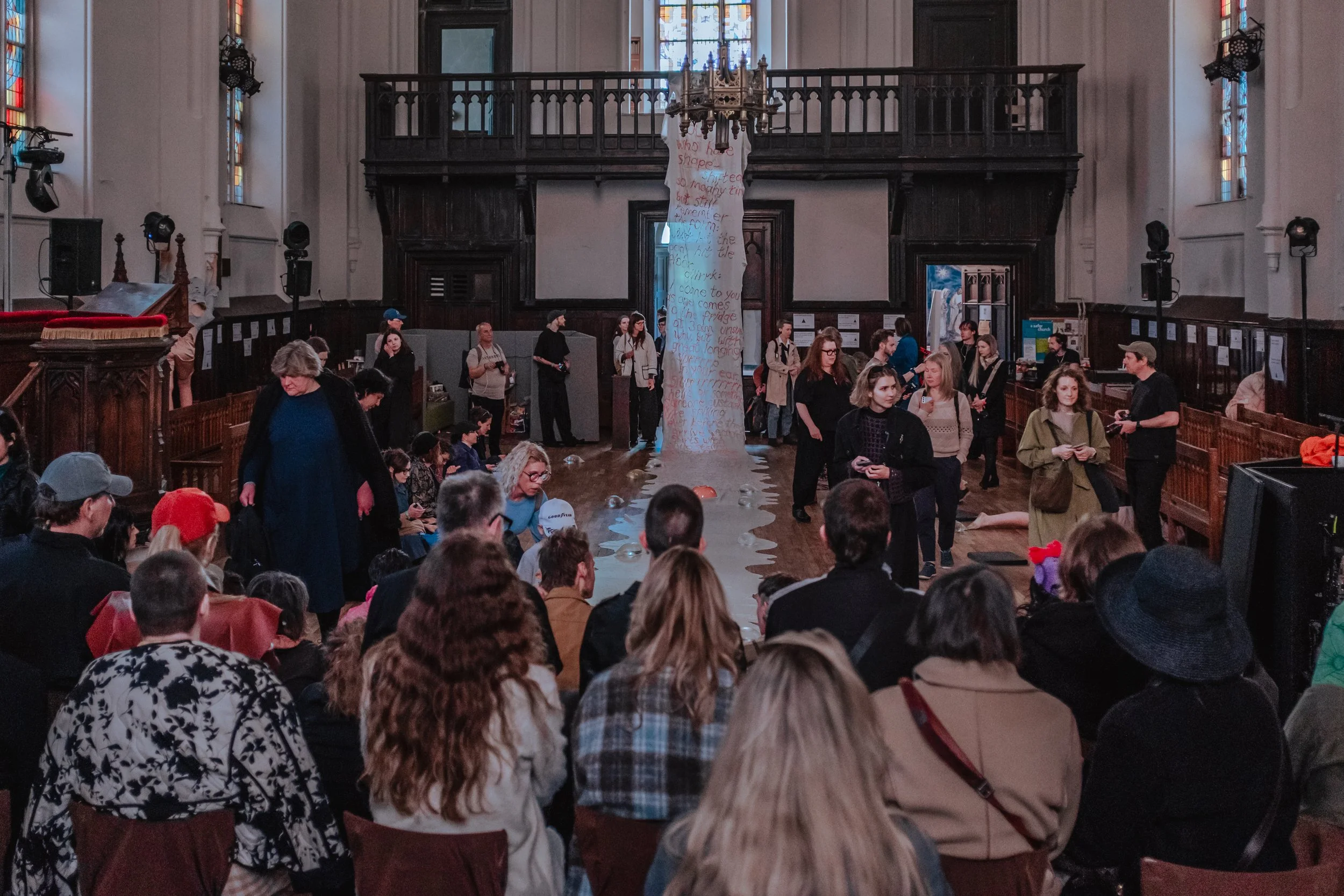
Agnese Krivade. "Gllrrk / What Are the Politics of Wobble in a World Obsessed with Control" Photo by Dace Kundrāte
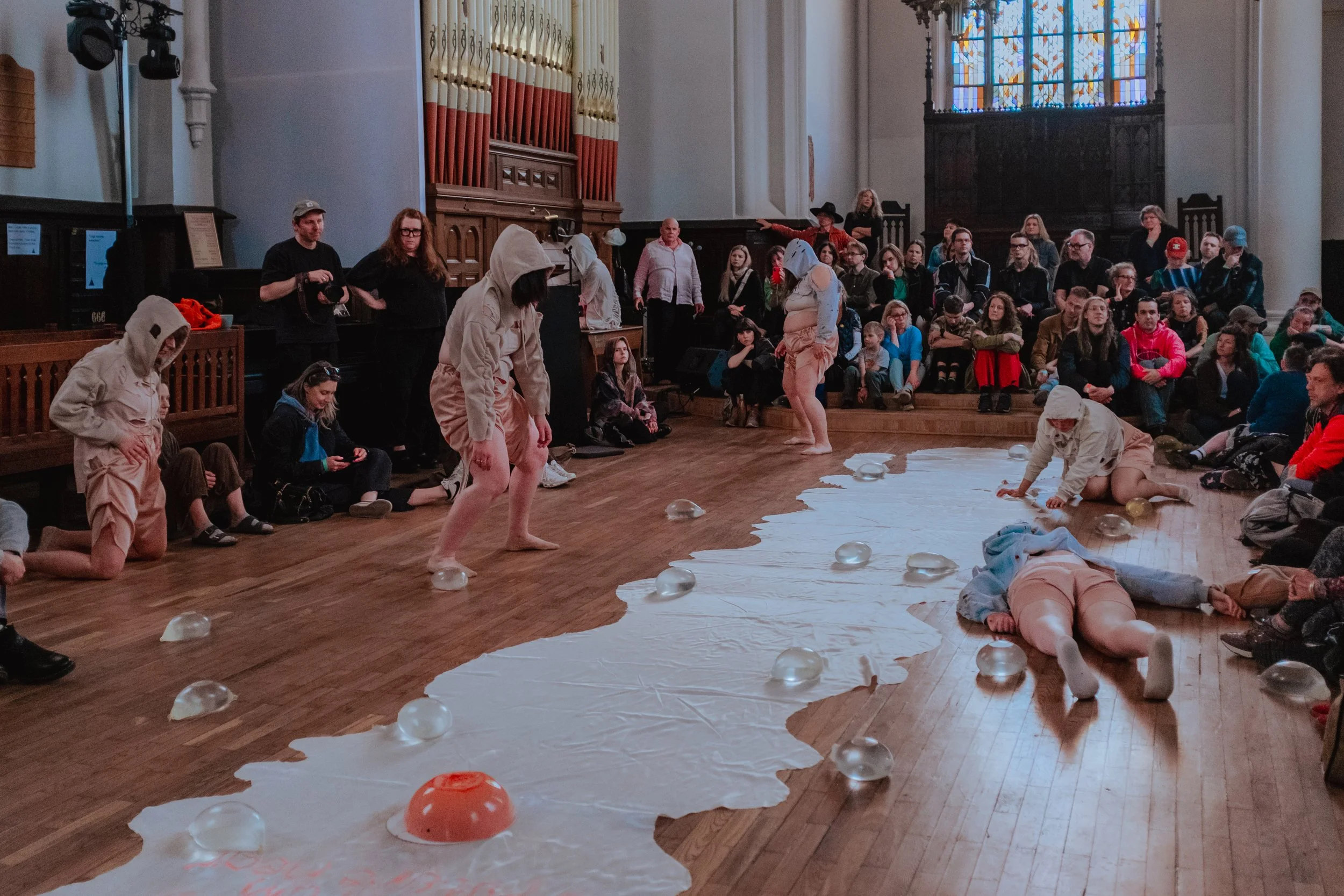
Agnese Krivade. "Gllrrk / What Are the Politics of Wobble in a World Obsessed with Control" Photo by Dace Kundrāte
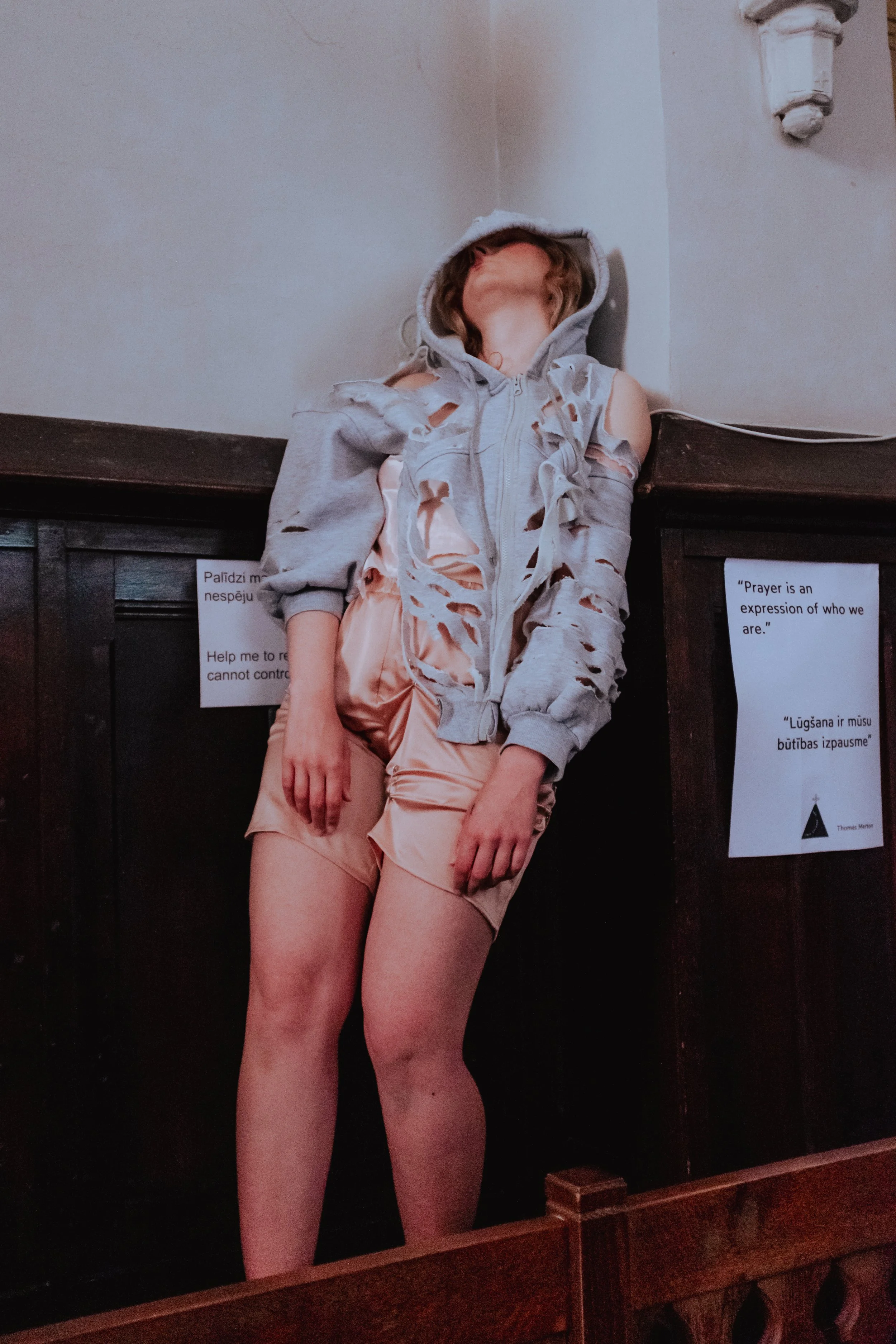
Agnese Krivade. "Gllrrk / What Are the Politics of Wobble in a World Obsessed with Control" Photo by Dace Kundrāte
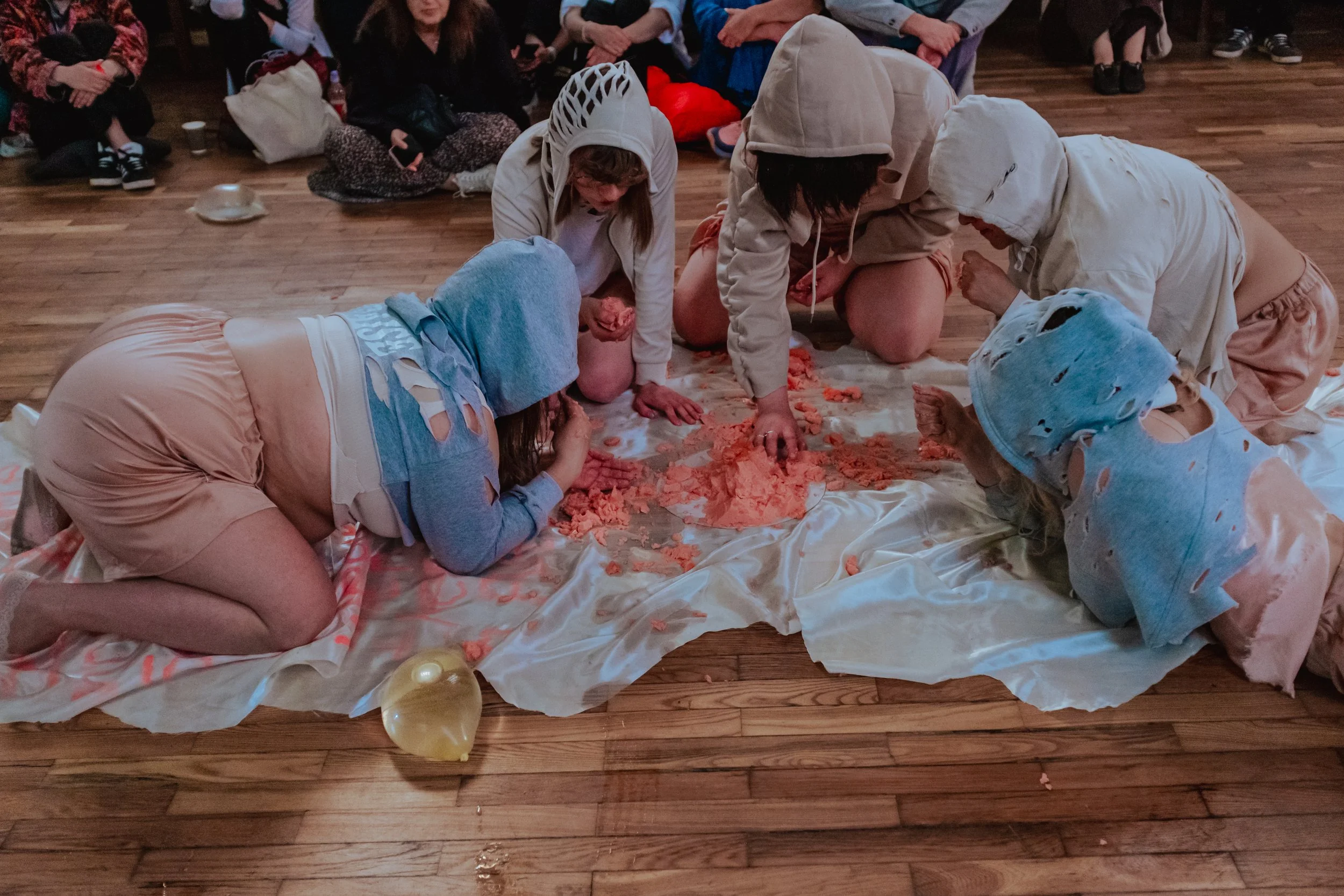
Agnese Krivade. "Gllrrk / What Are the Politics of Wobble in a World Obsessed with Control" Photo by Dace Kundrāte
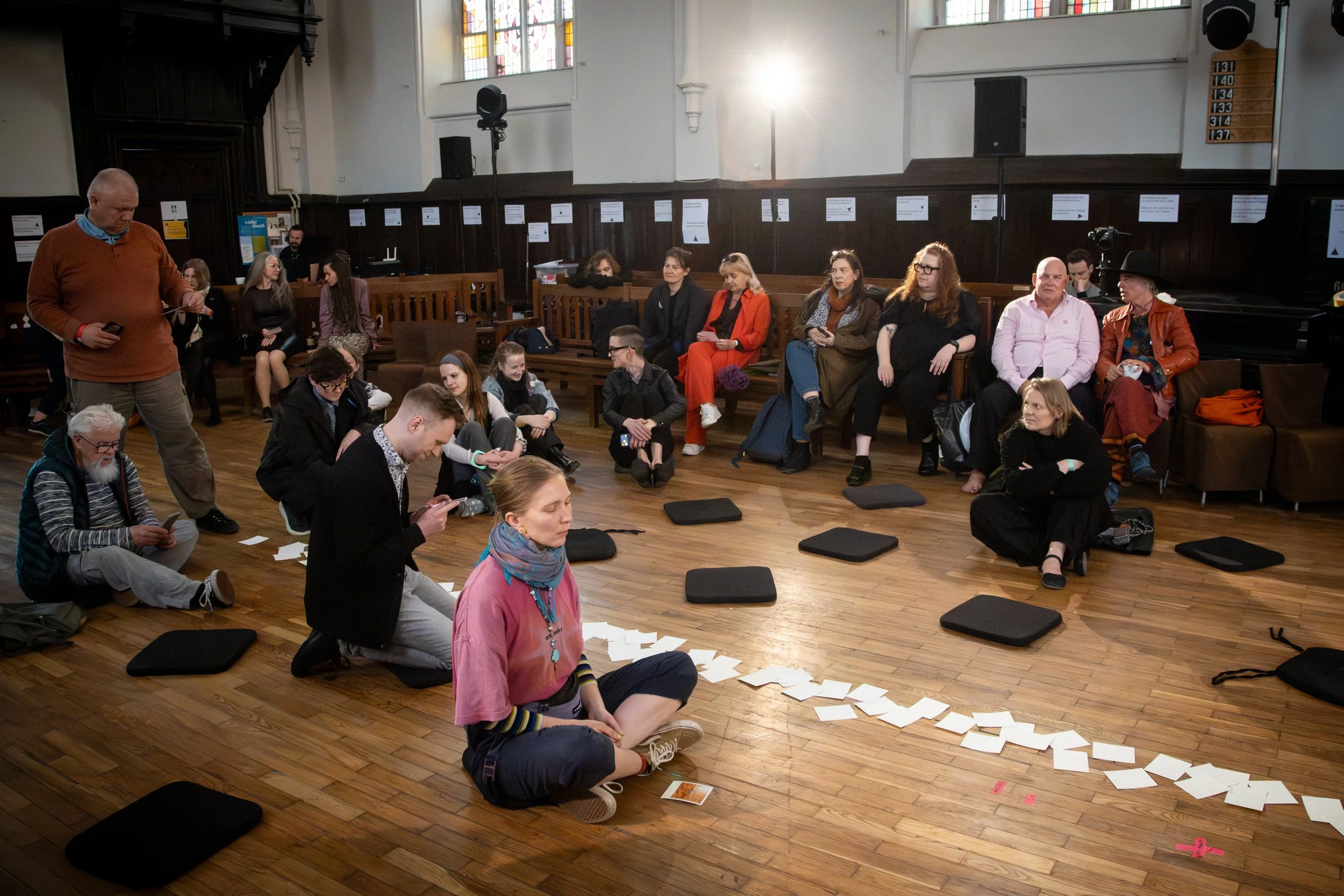
Elīza Eikerte. "Full in Itself" Photo by Kristaps Dubļāns
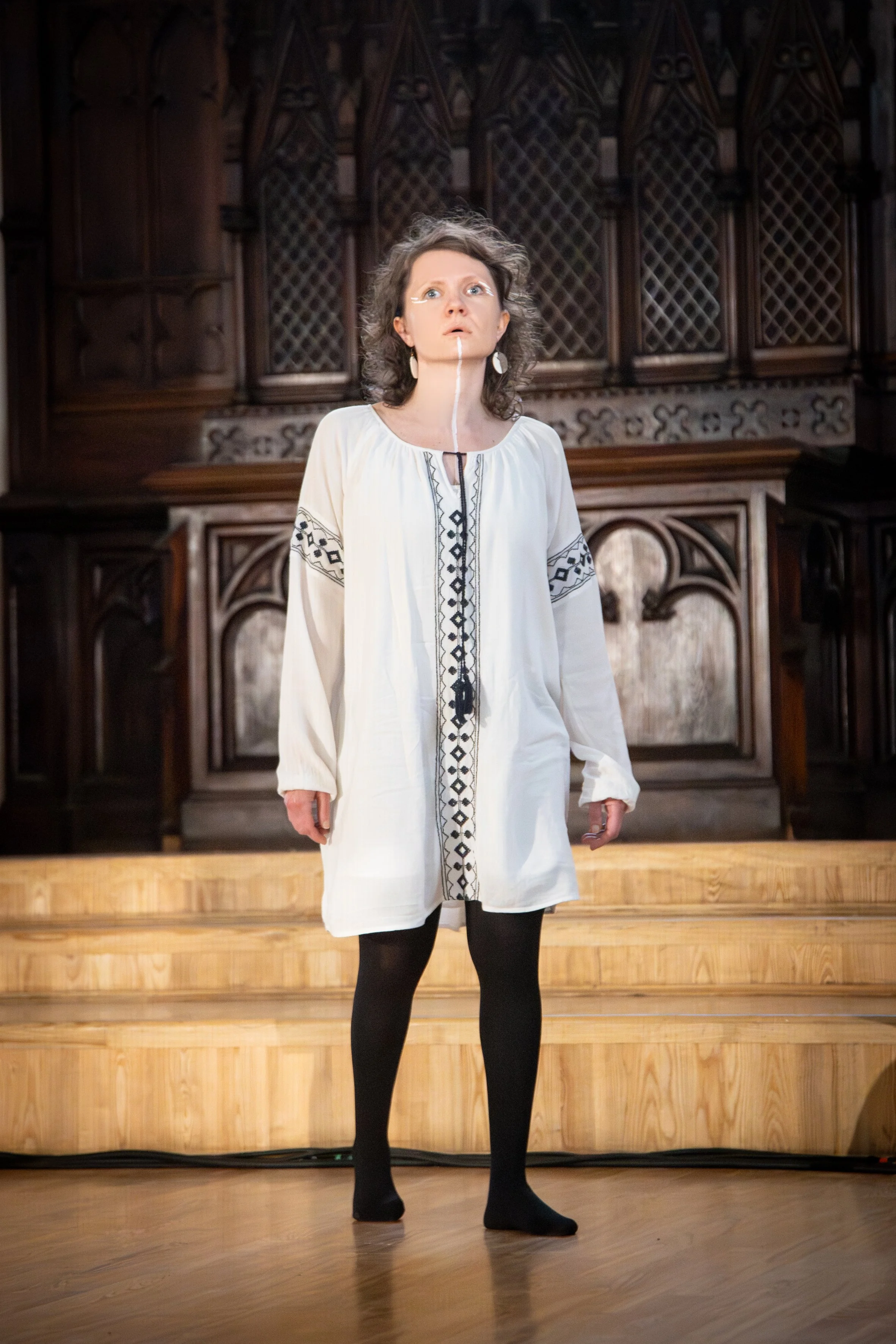
Elīza Eikerte. "Full in Itself" Photo by Kristaps Dubļāns
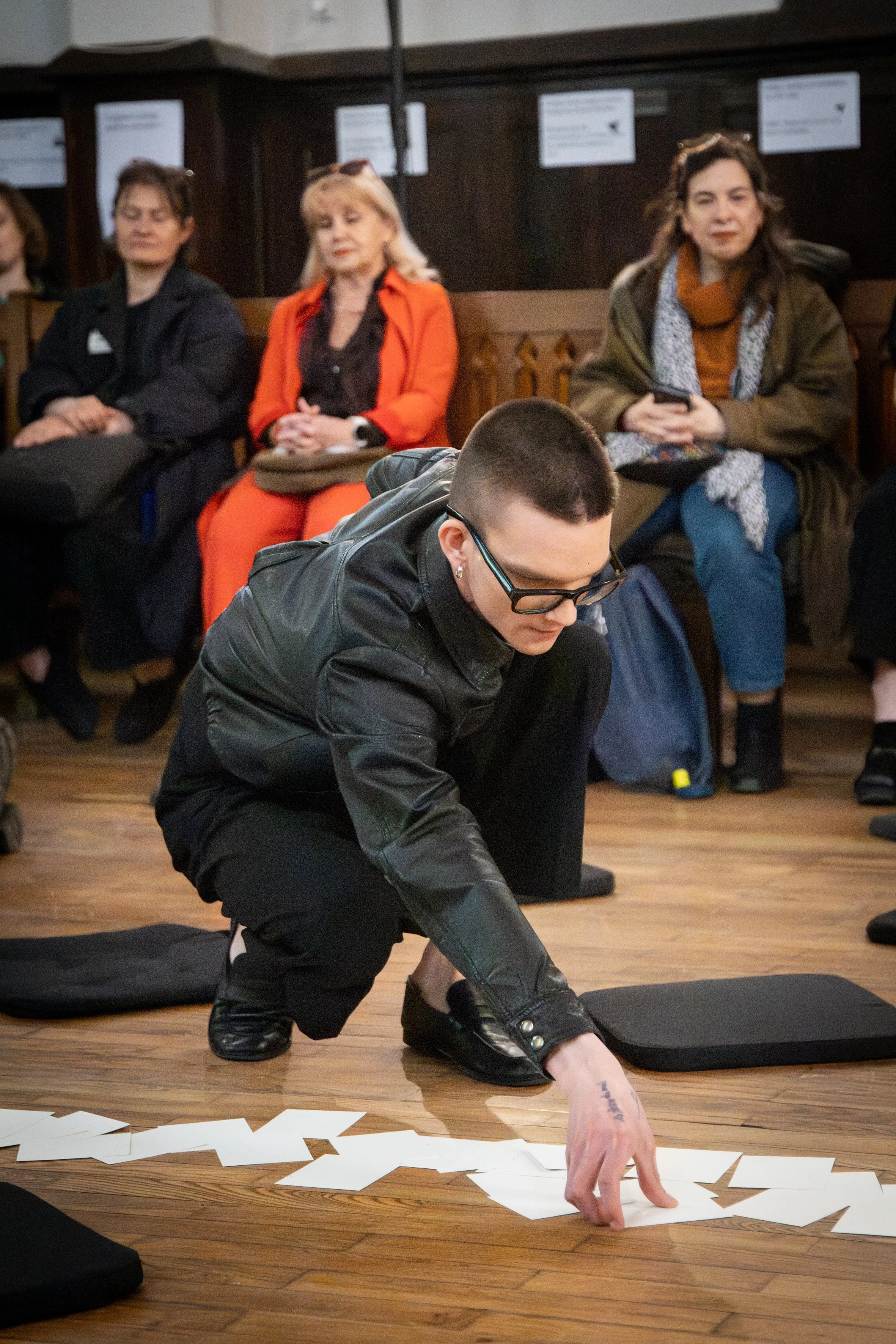
Elīza Eikerte. "Full in Itself" Photo by Kristaps Dubļāns
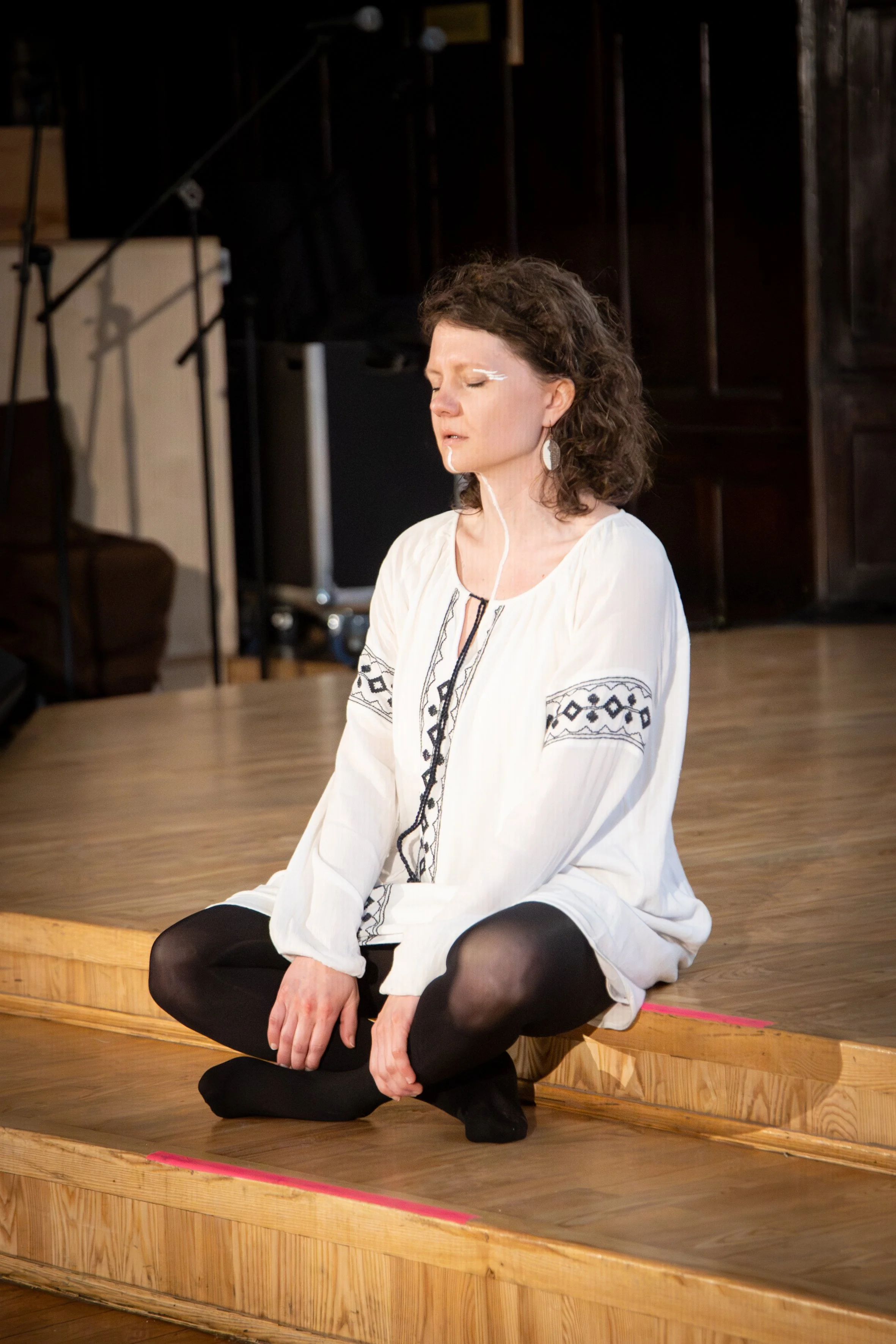
Elīza Eikerte. "Full in Itself" Photo by Kristaps Dubļāns
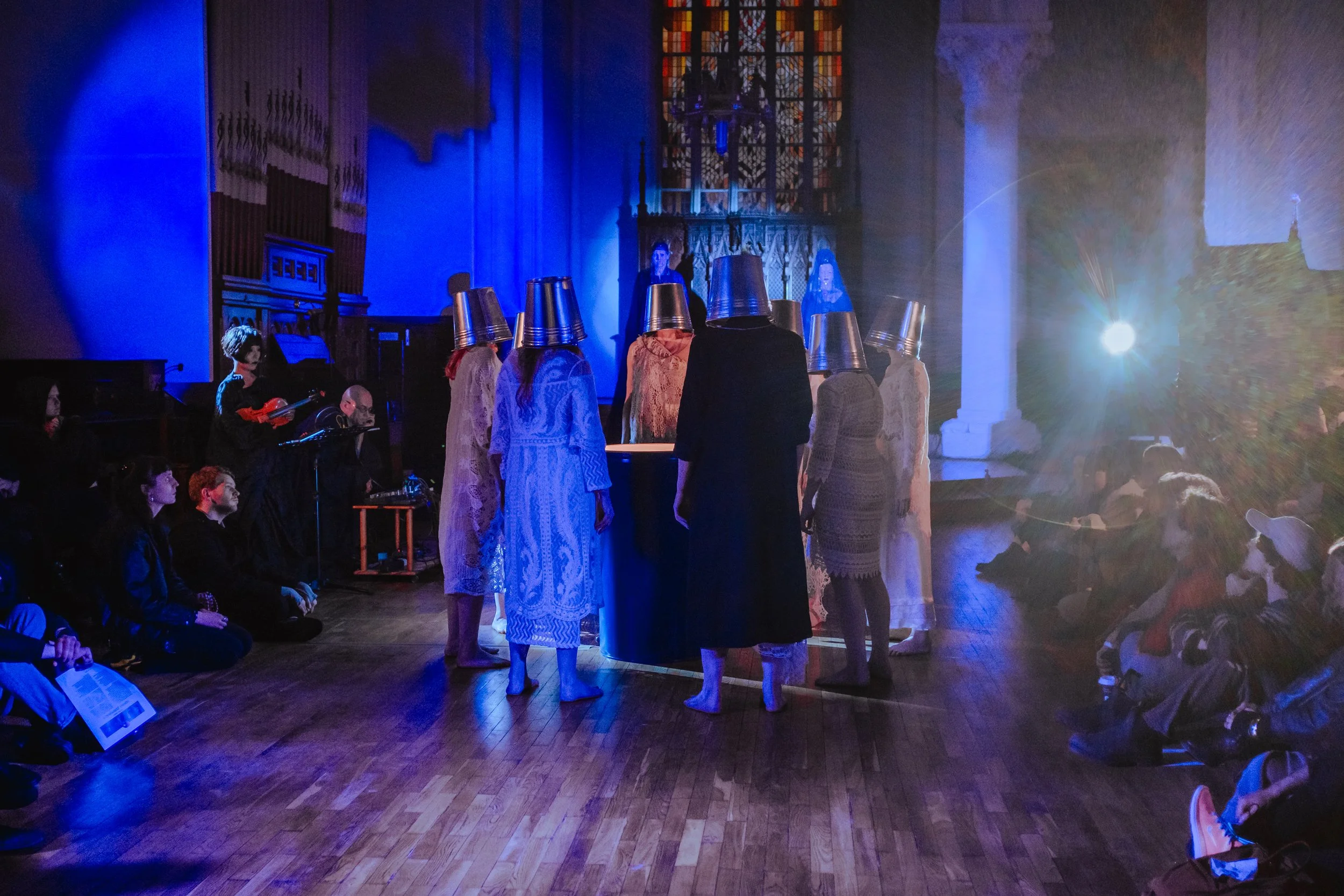
Butō Lab. "Femina Corporalis" Photo by Dace Kundrāte
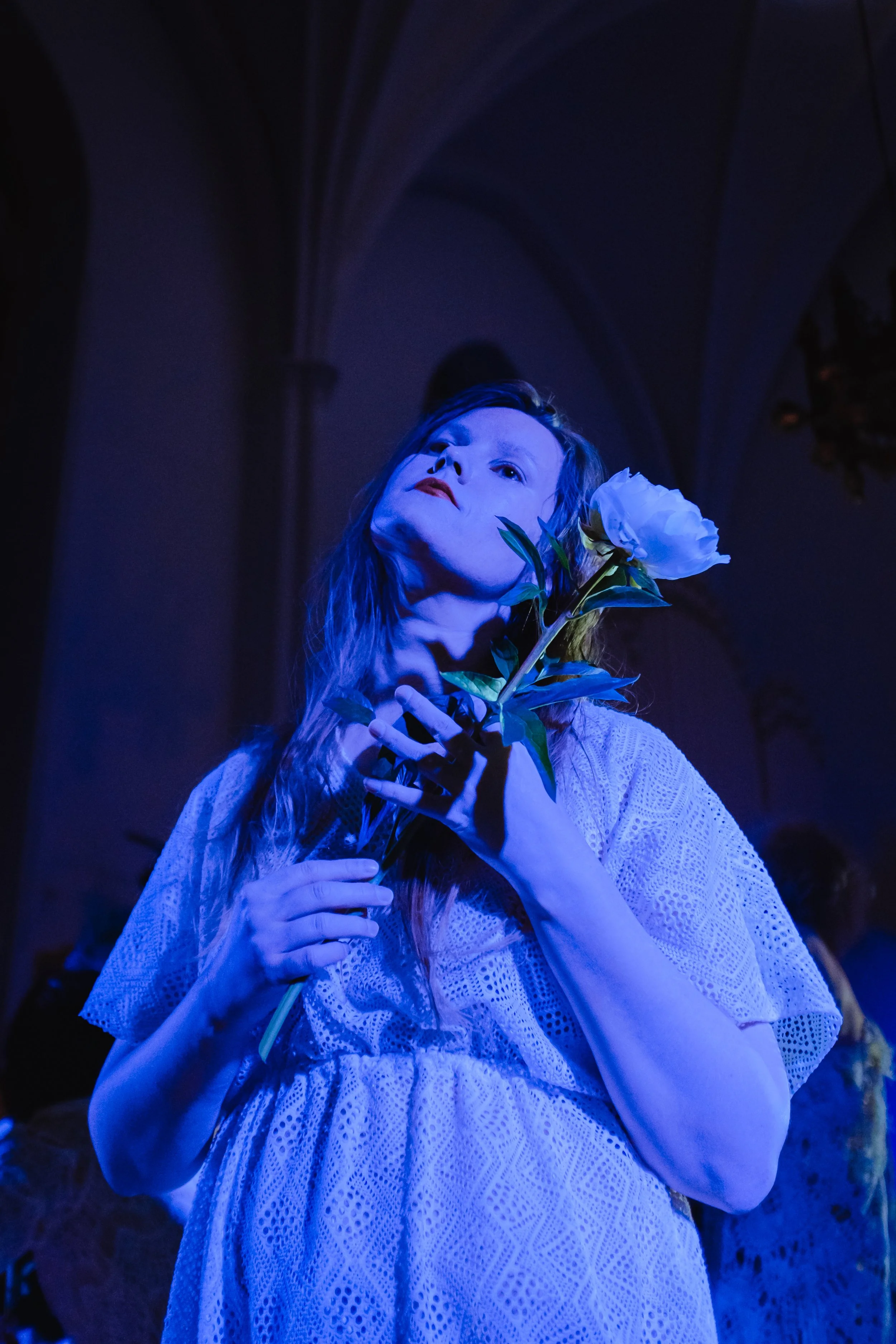
Butō Lab. "Femina Corporalis" Photo by Dace Kundrāte
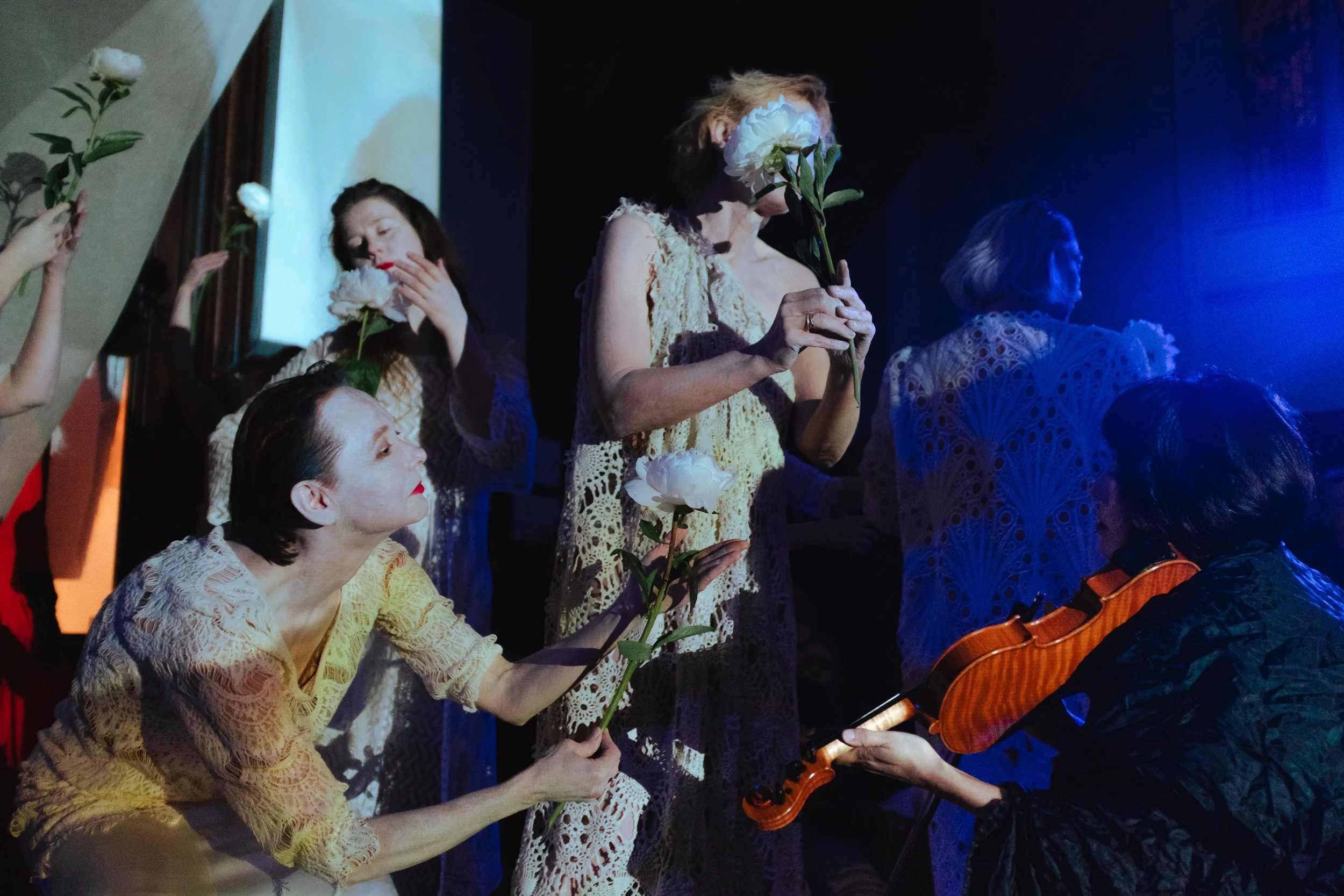
Butō Lab. "Femina Corporalis" Photo by Dace Kundrāte
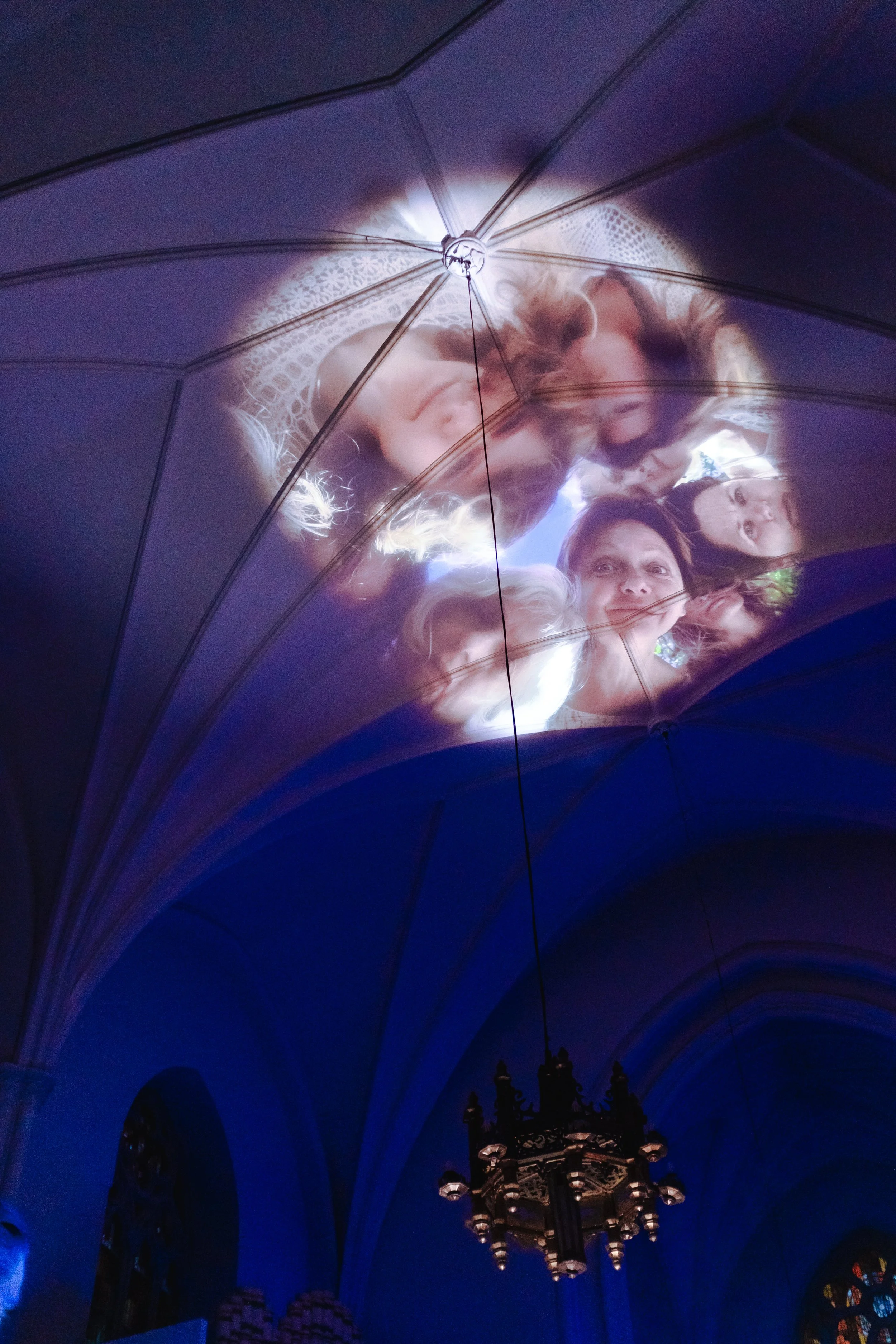
Butō Lab. "Femina Corporalis" Photo by Dace Kundrāte
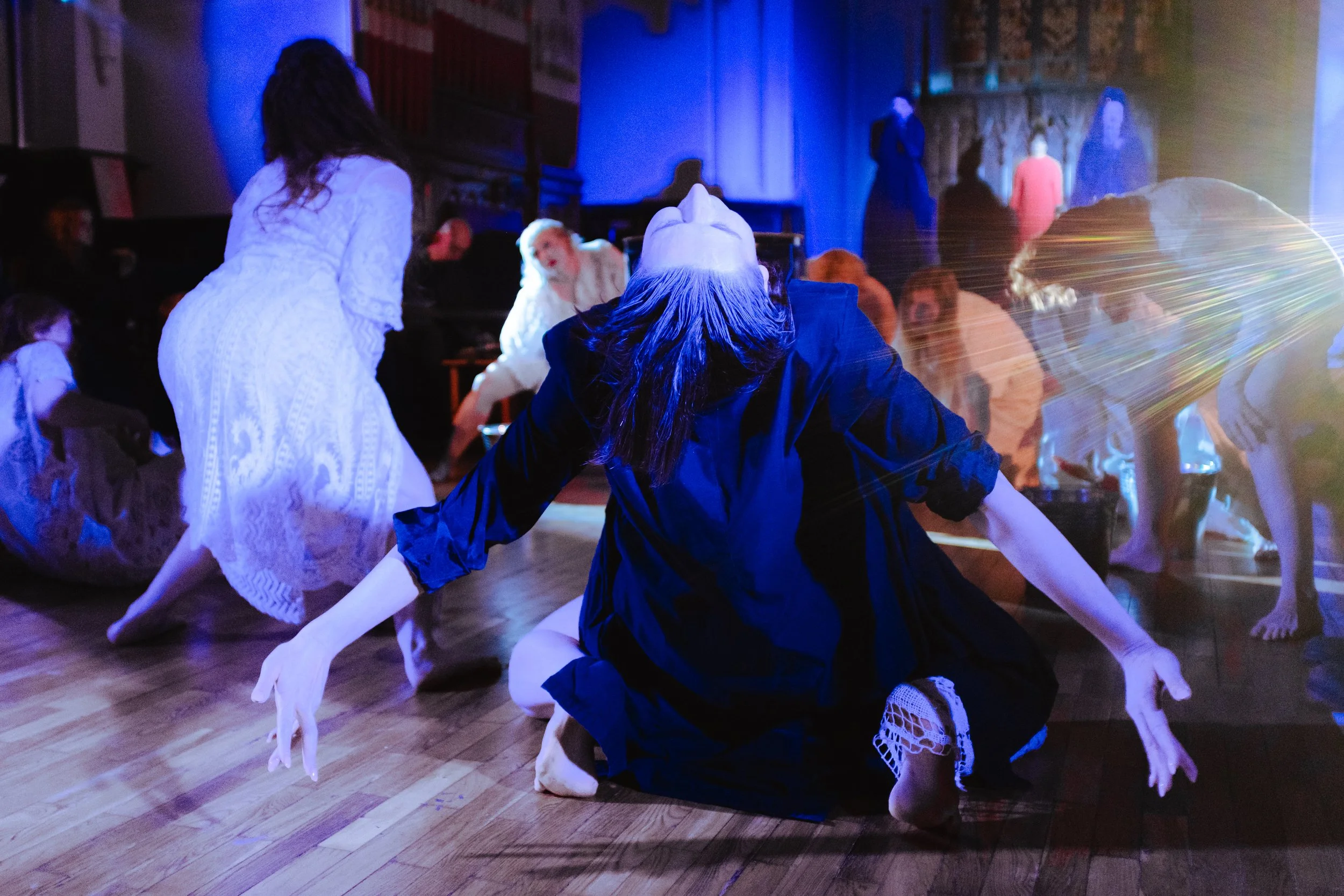
Butō Lab. "Femina Corporalis" Photo by Dace Kundrāte
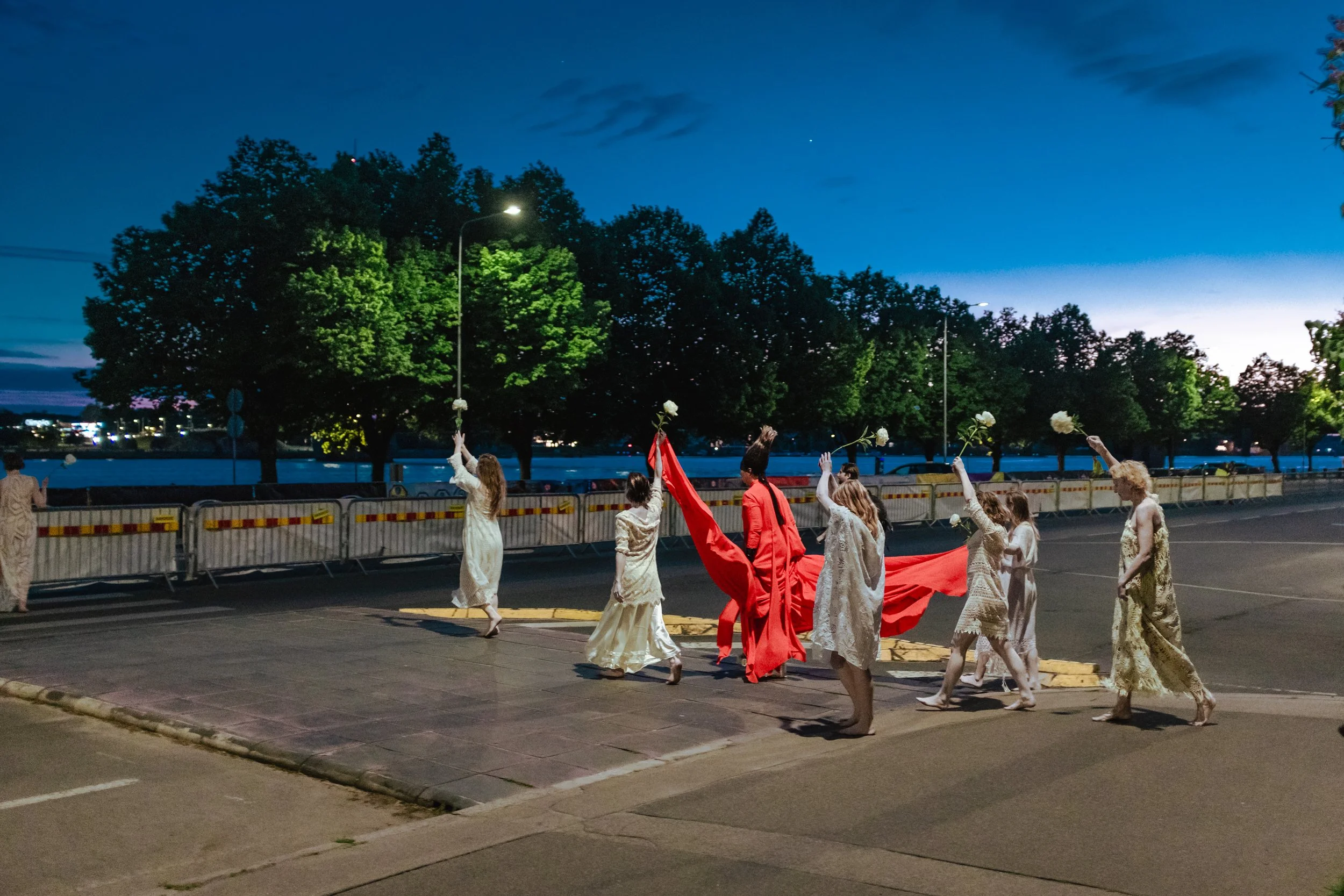
Butō Lab. "Femina Corporalis" Photo by Dace Kundrāte
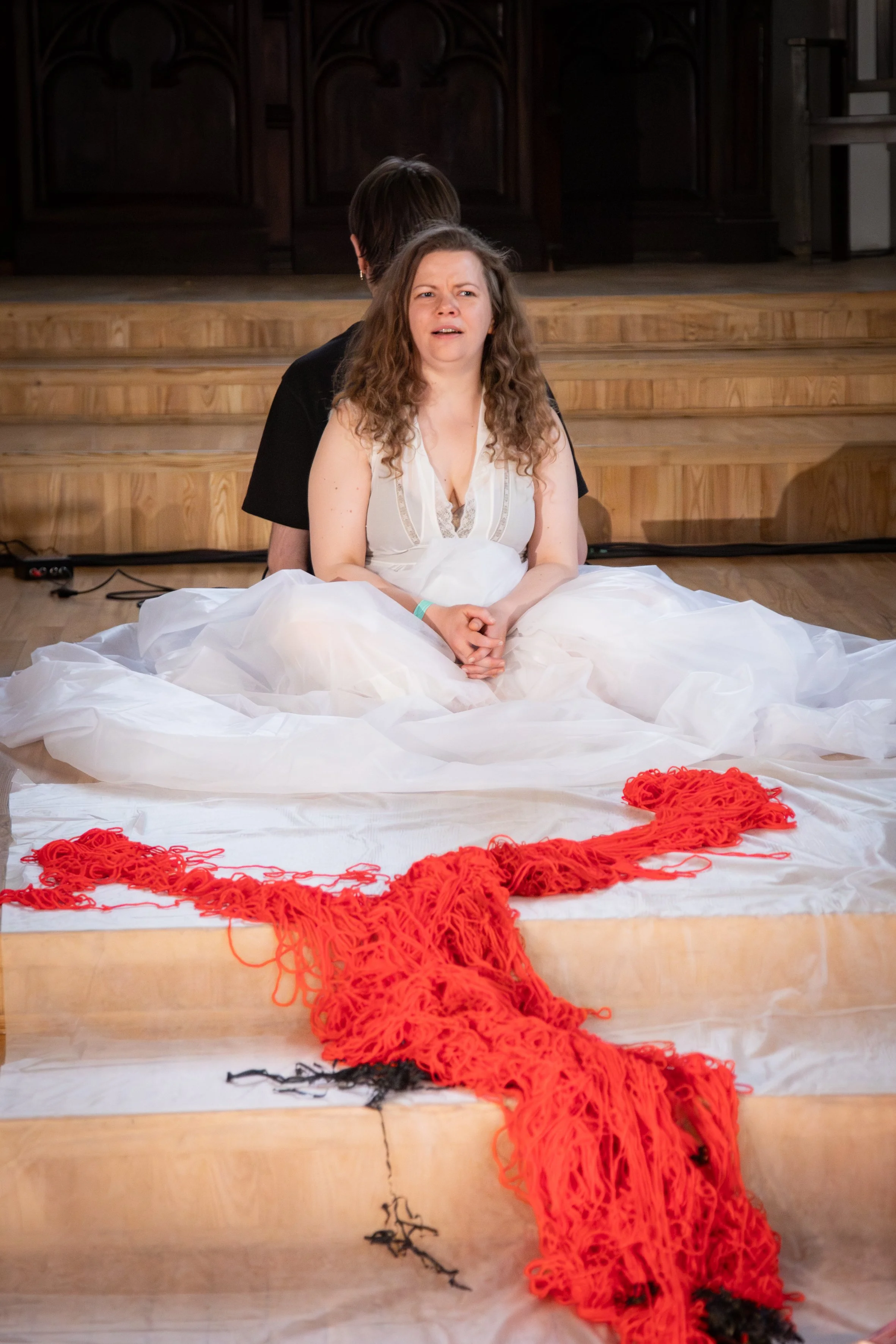
Inese Bērziņa, Ernests Valts Circenis, Kaspars Eglītis. "Retracing and Resounding" Photo by Kristaps Dubļāns
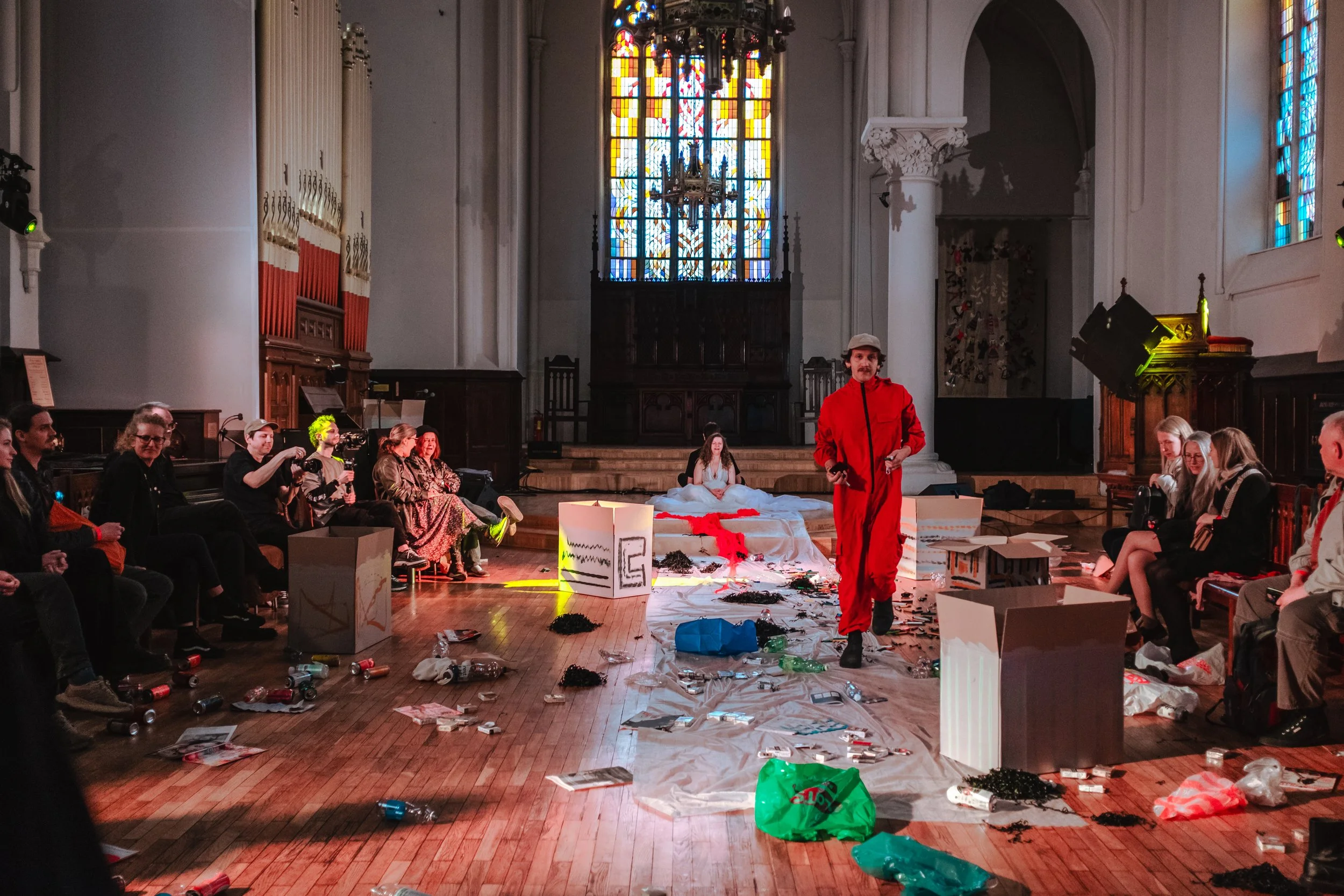
Inese Bērziņa, Ernests Valts Circenis, Kaspars Eglītis. "Retracing and Resounding" Photo by Dace Kundrāte
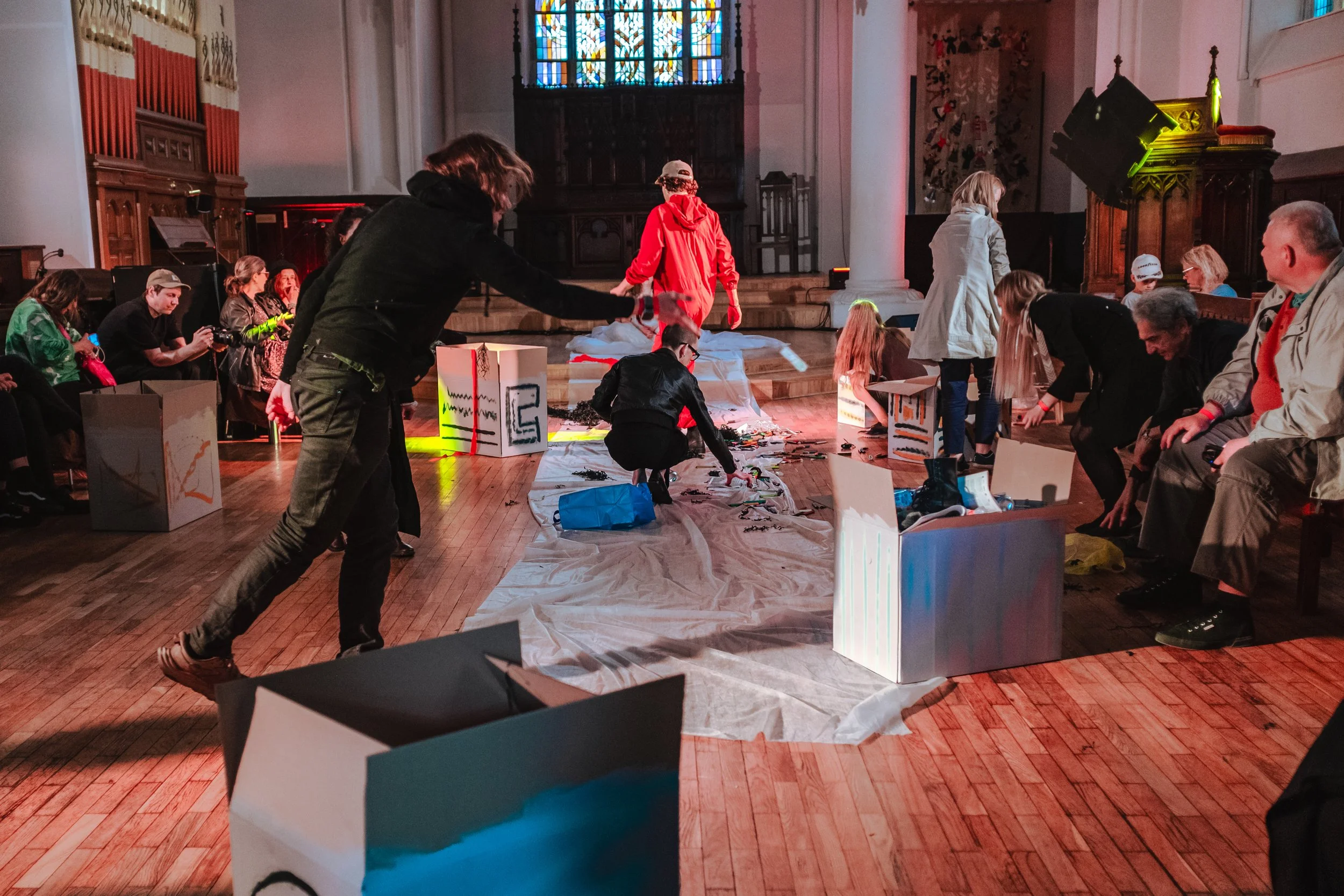
Inese Bērziņa, Ernests Valts Circenis, Kaspars Eglītis. "Retracing and Resounding" Photo by Dace Kundrāte
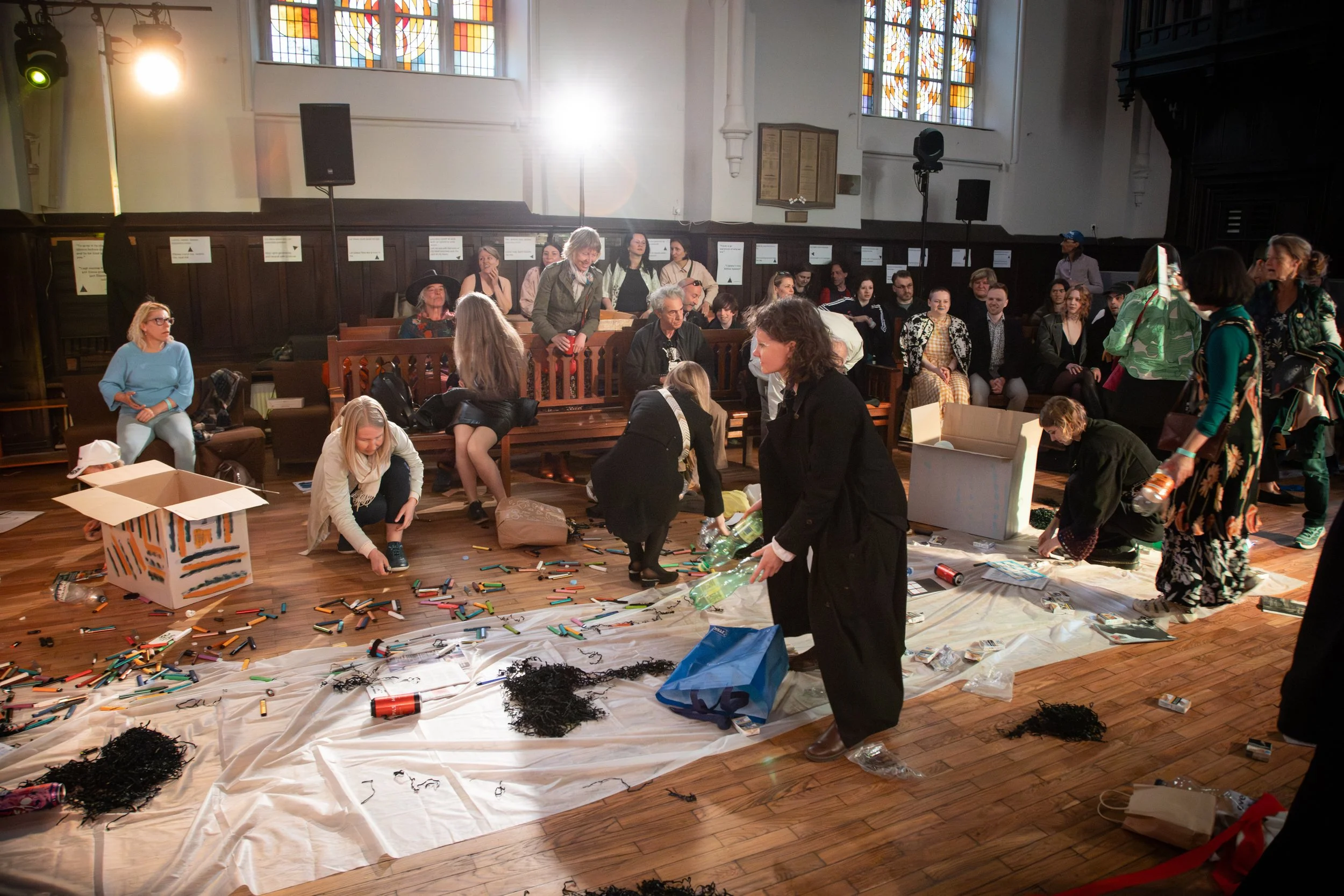
Inese Bērziņa, Ernests Valts Circenis, Kaspars Eglītis. "Retracing and Resounding" Photo by Dace Kundrāte
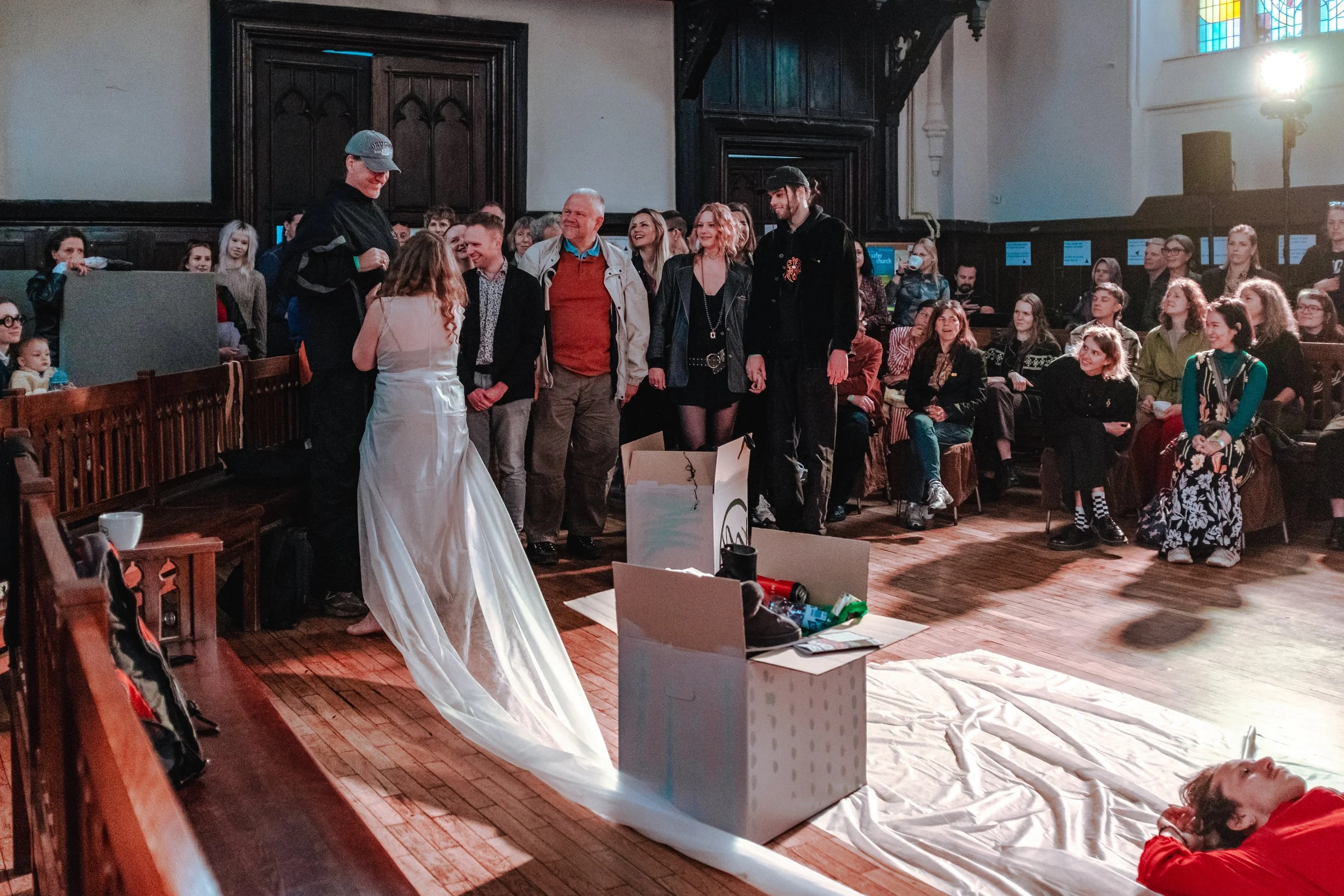
Inese Bērziņa, Ernests Valts Circenis, Kaspars Eglītis. "Retracing and Resounding" Photo by Dace Kundrāte
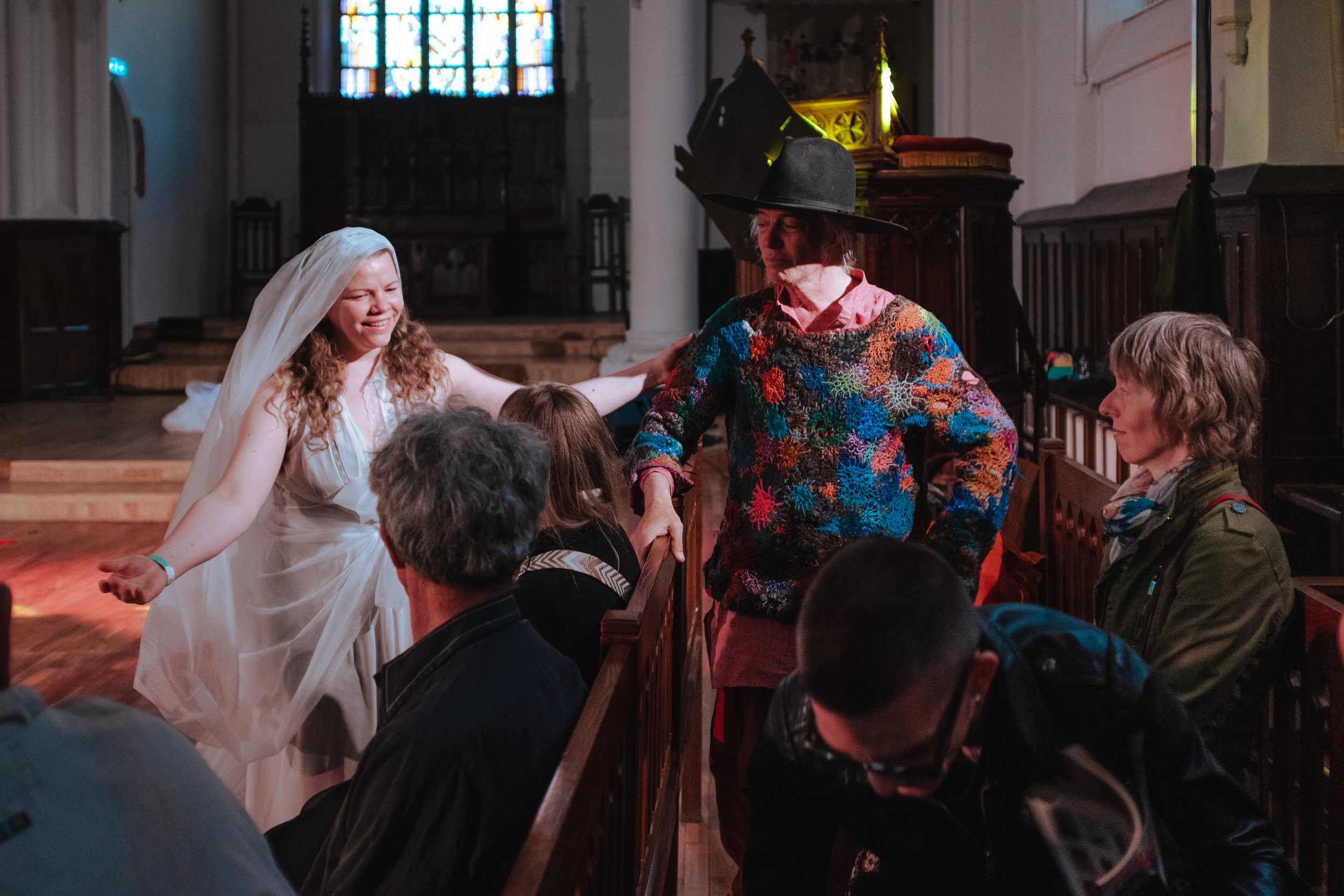
Inese Bērziņa, Ernests Valts Circenis, Kaspars Eglītis. "Retracing and Resounding" Photo by Dace Kundrāte
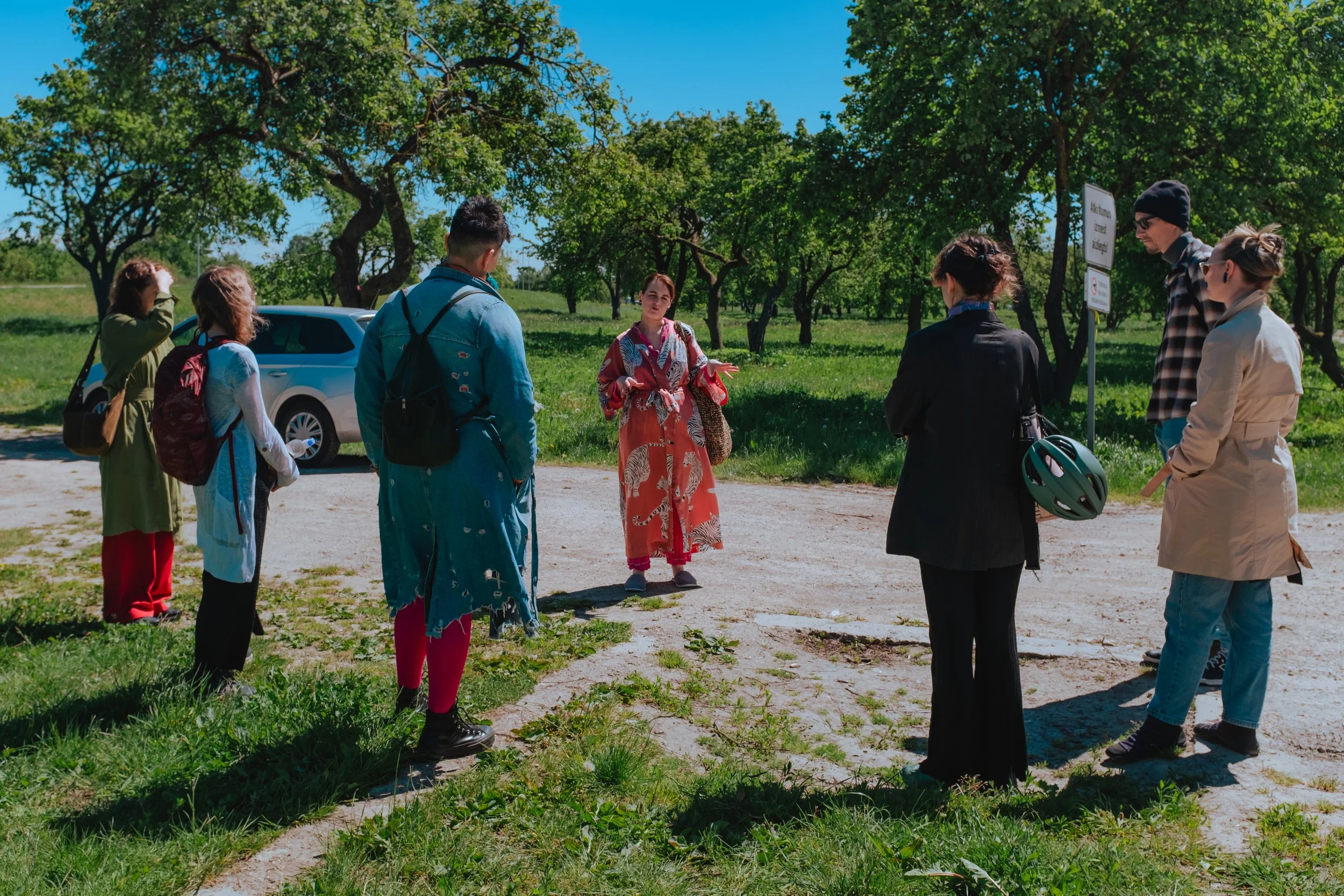
Inga Melberga. "From Memories to Fantasies" Photo by Dace Kundrāte
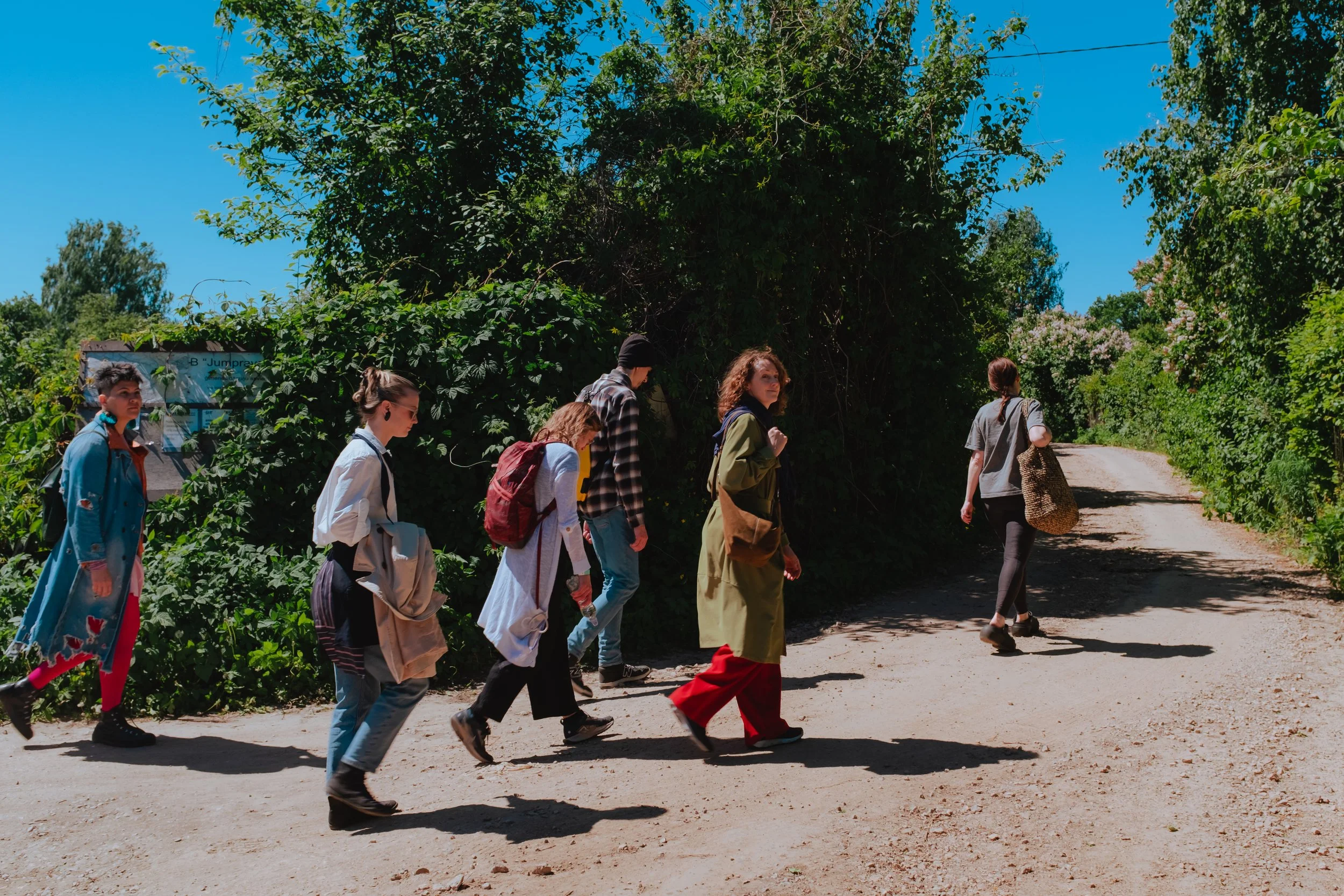
Inga Melberga. "From Memories to Fantasies" Photo by Dace Kundrāte
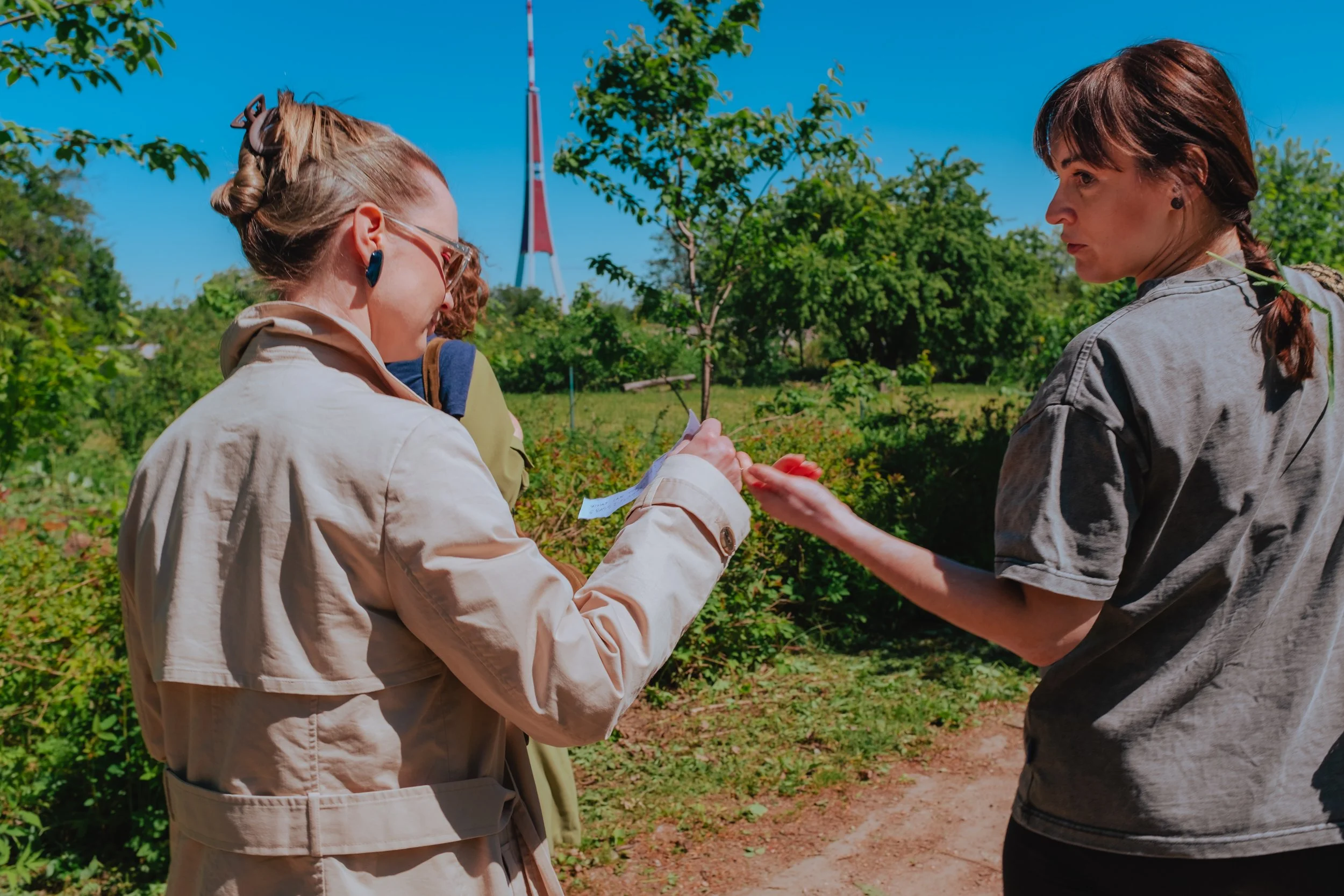
Inga Melberga. "From Memories to Fantasies" Photo by Dace Kundrāte
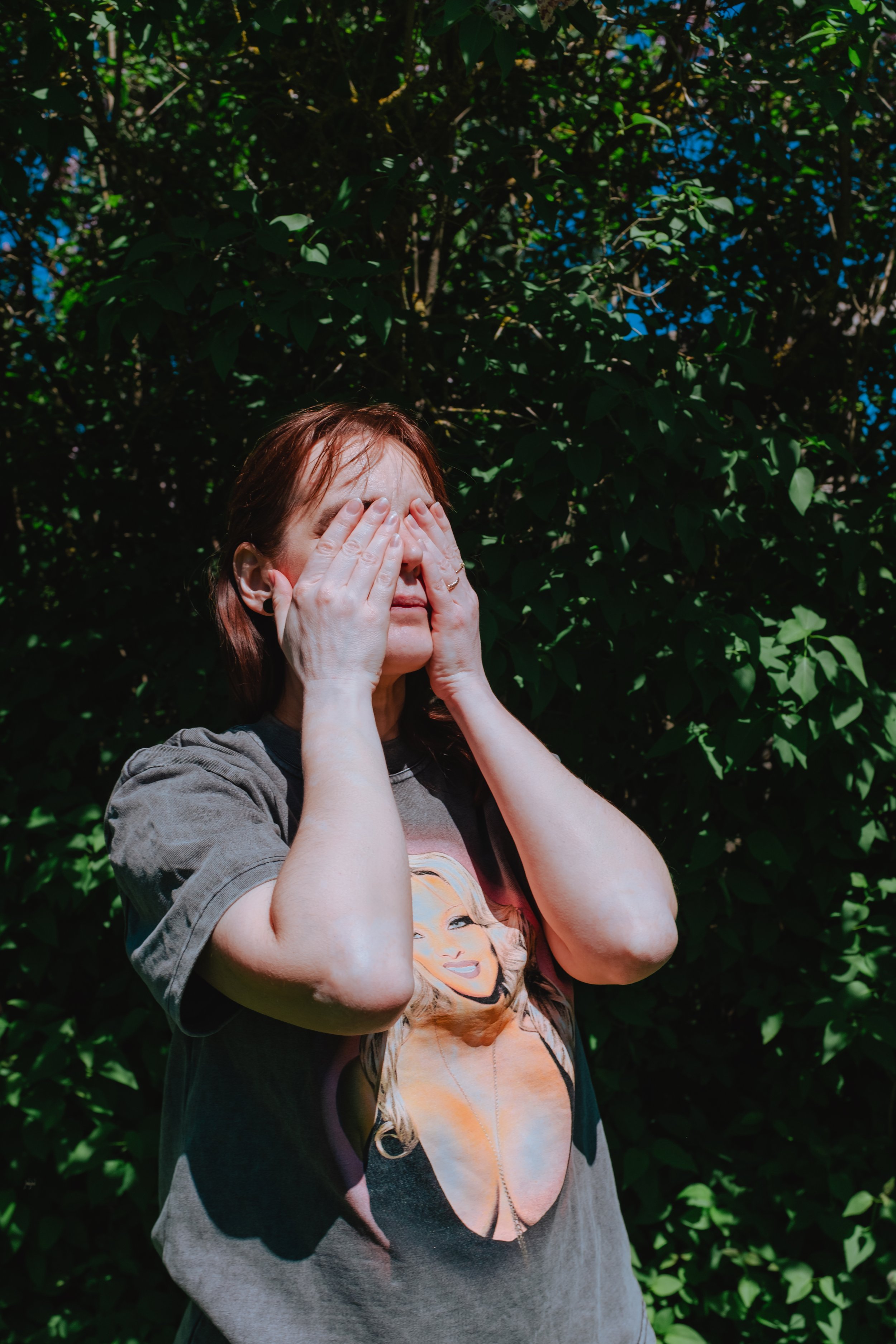
Inga Melberga. "From Memories to Fantasies" Photo by Dace Kundrāte
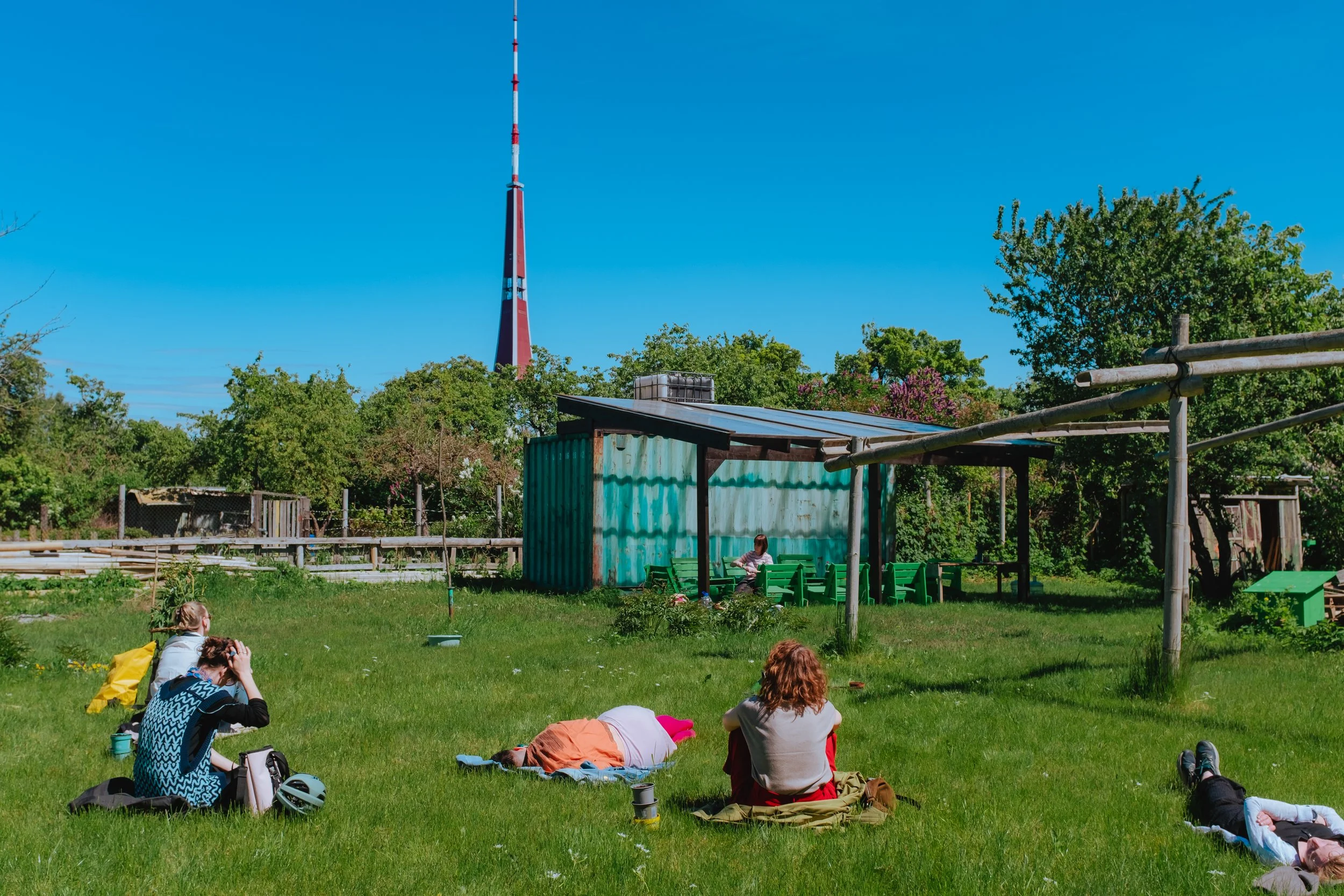
Inga Melberga. "From Memories to Fantasies" Photo by Dace Kundrāte
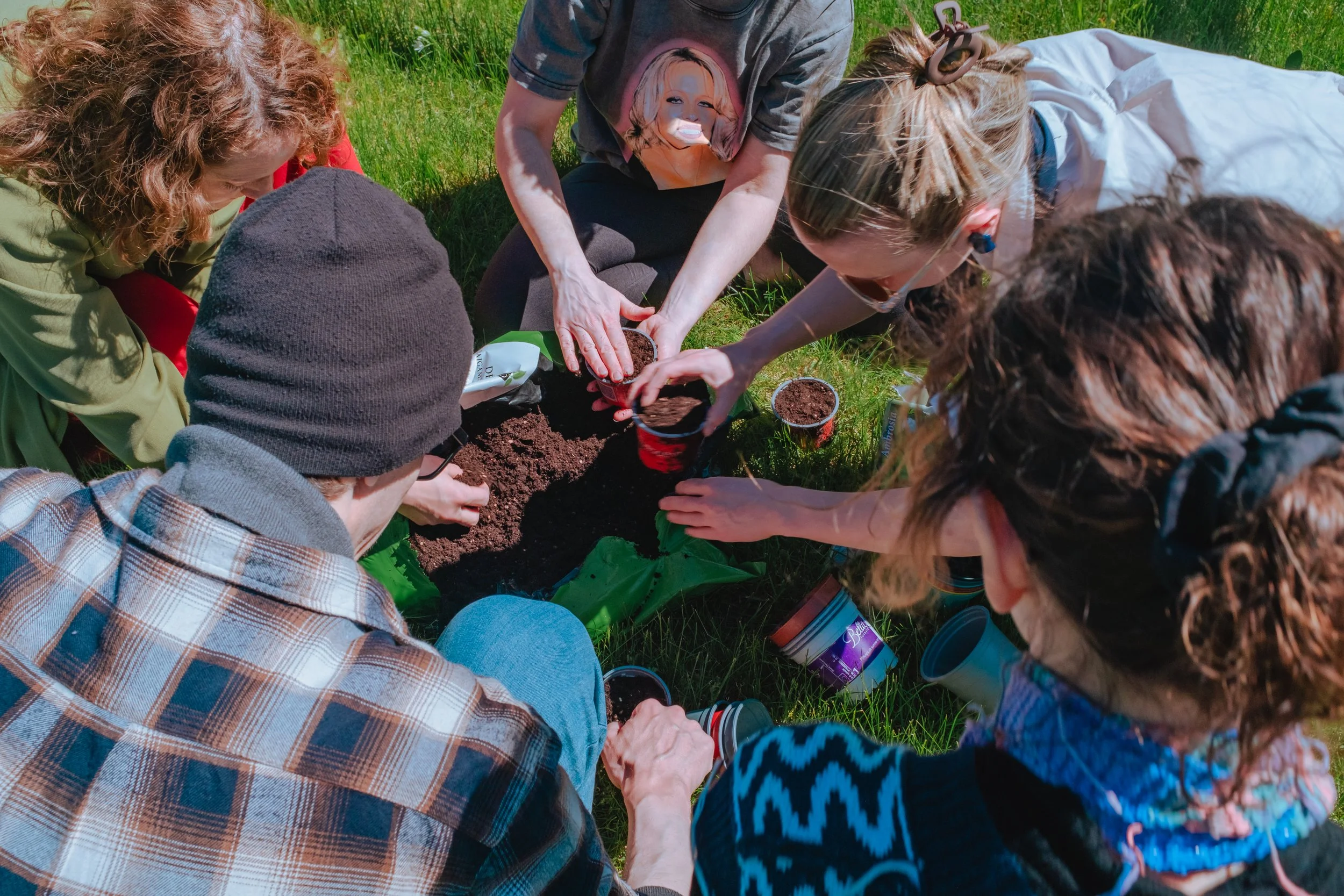
Inga Melberga. "From Memories to Fantasies" Photo by Dace Kundrāte
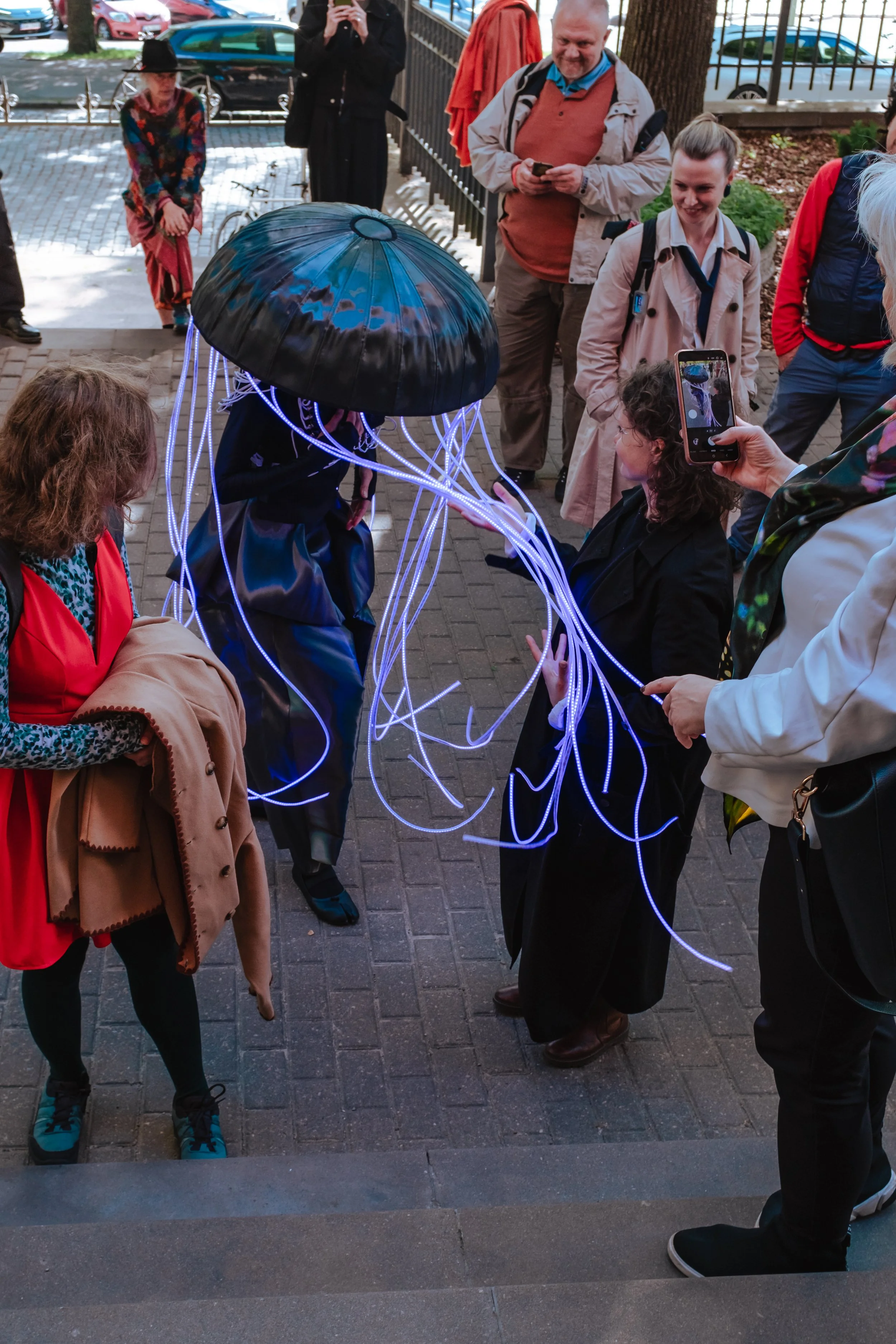
Lilibeth Cuenca Rasmussen. "T.d. (Turritopsis Dohrnii)" Photo by Dace Kundrāte
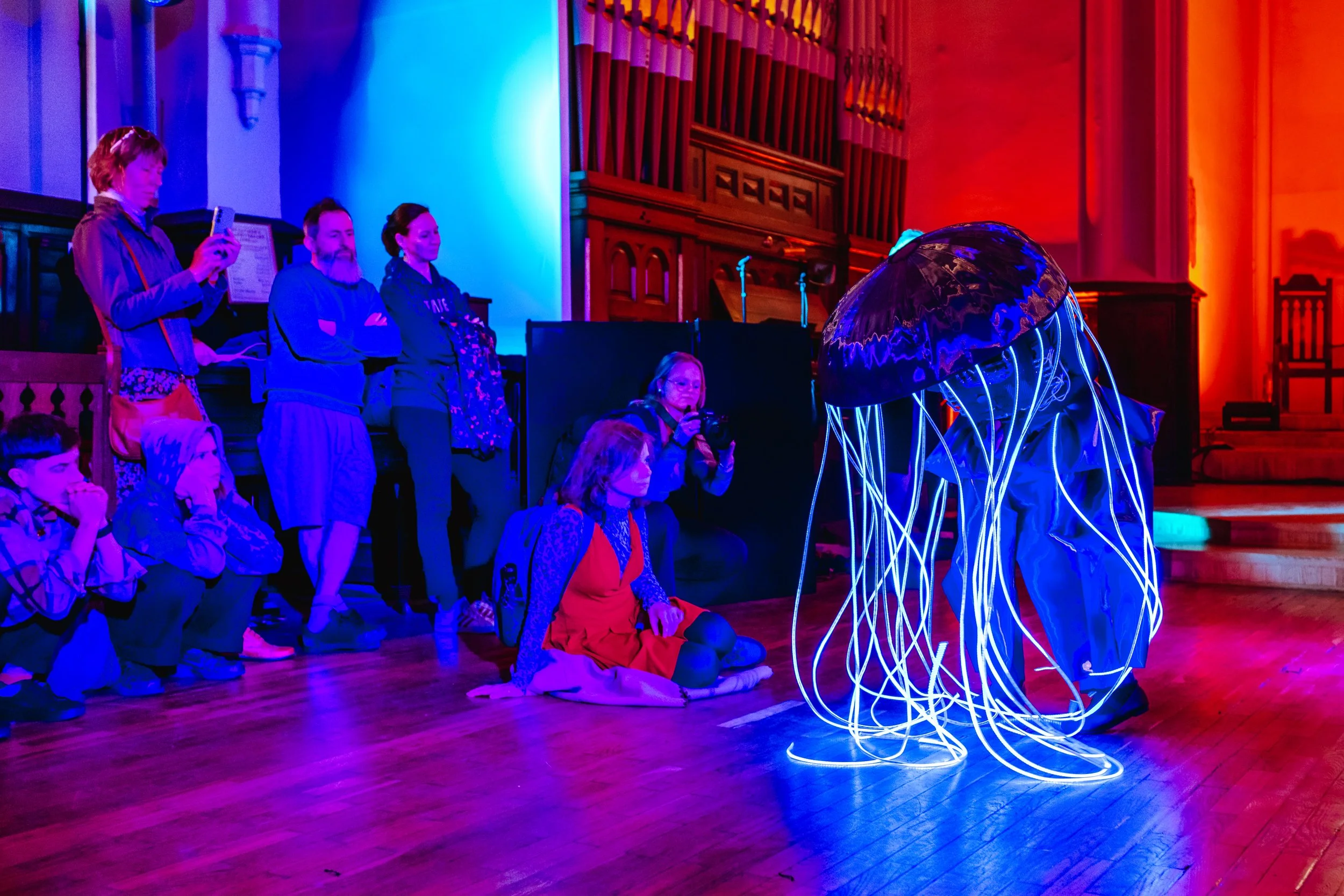
Lilibeth Cuenca Rasmussen. "T.d. (Turritopsis Dohrnii)" Photo by Dace Kundrāte
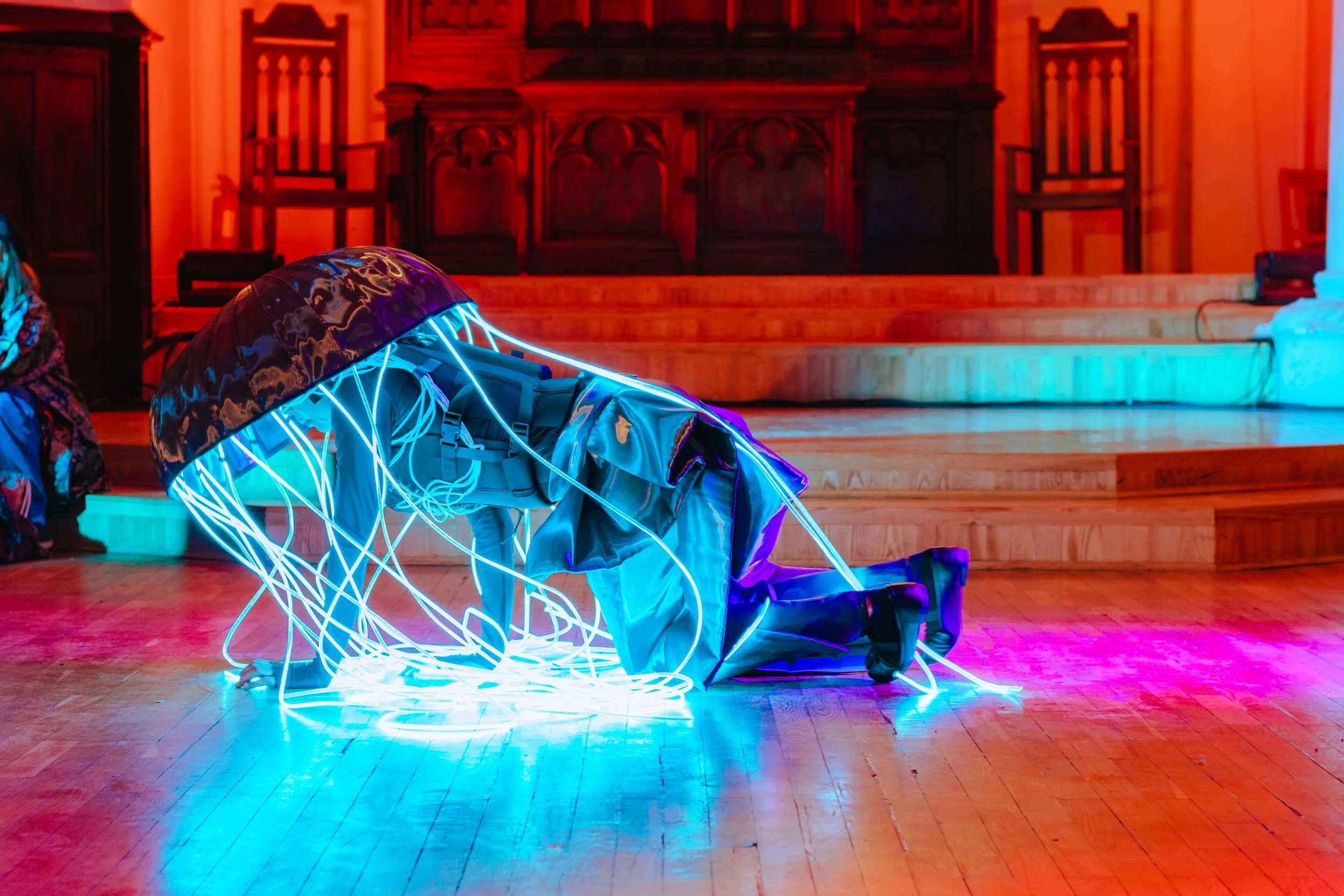
Lilibeth Cuenca Rasmussen. "T.d. (Turritopsis Dohrnii)" Photo by Dace Kundrāte
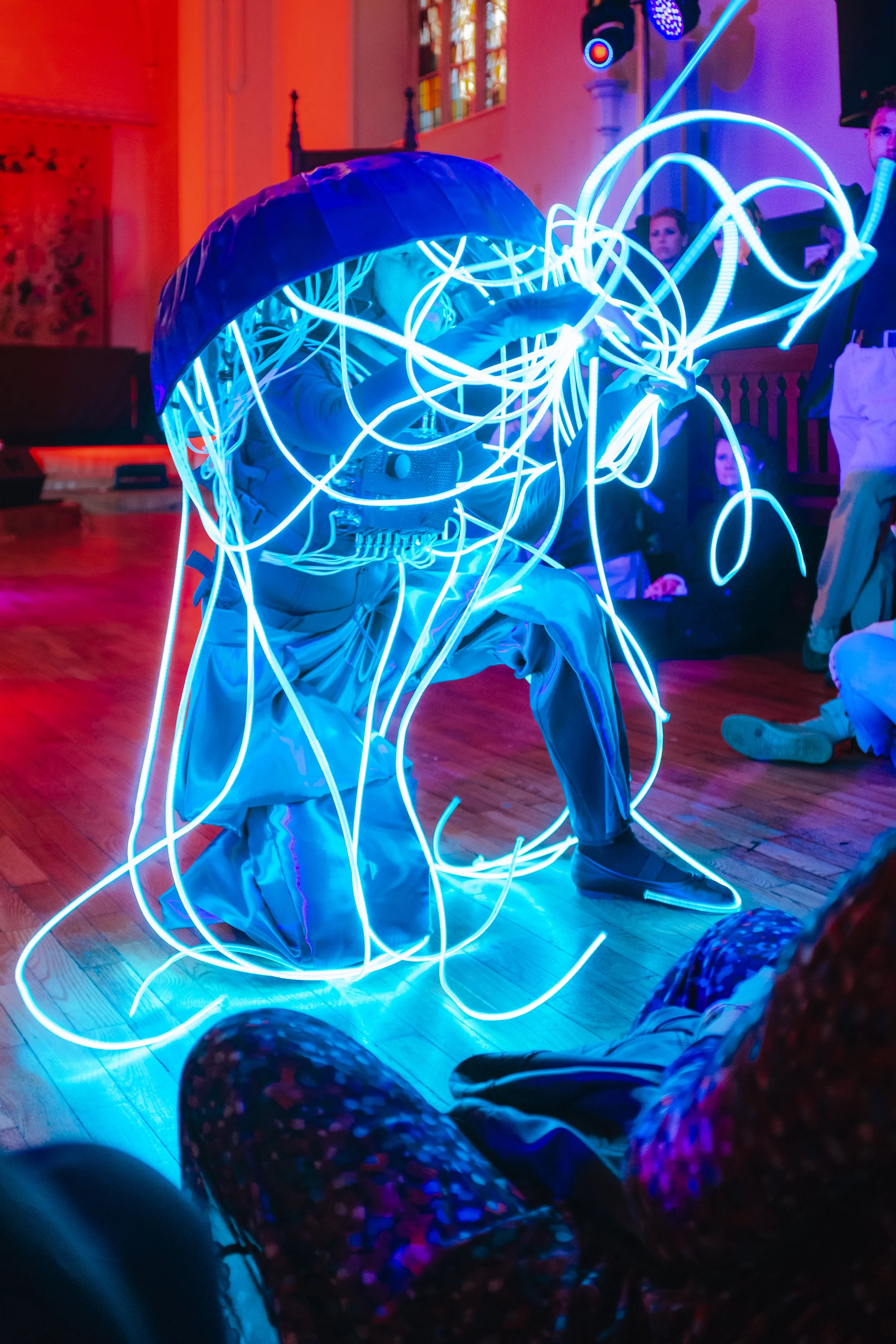
Lilibeth Cuenca Rasmussen. "T.d. (Turritopsis Dohrnii)" Photo by Dace Kundrāte
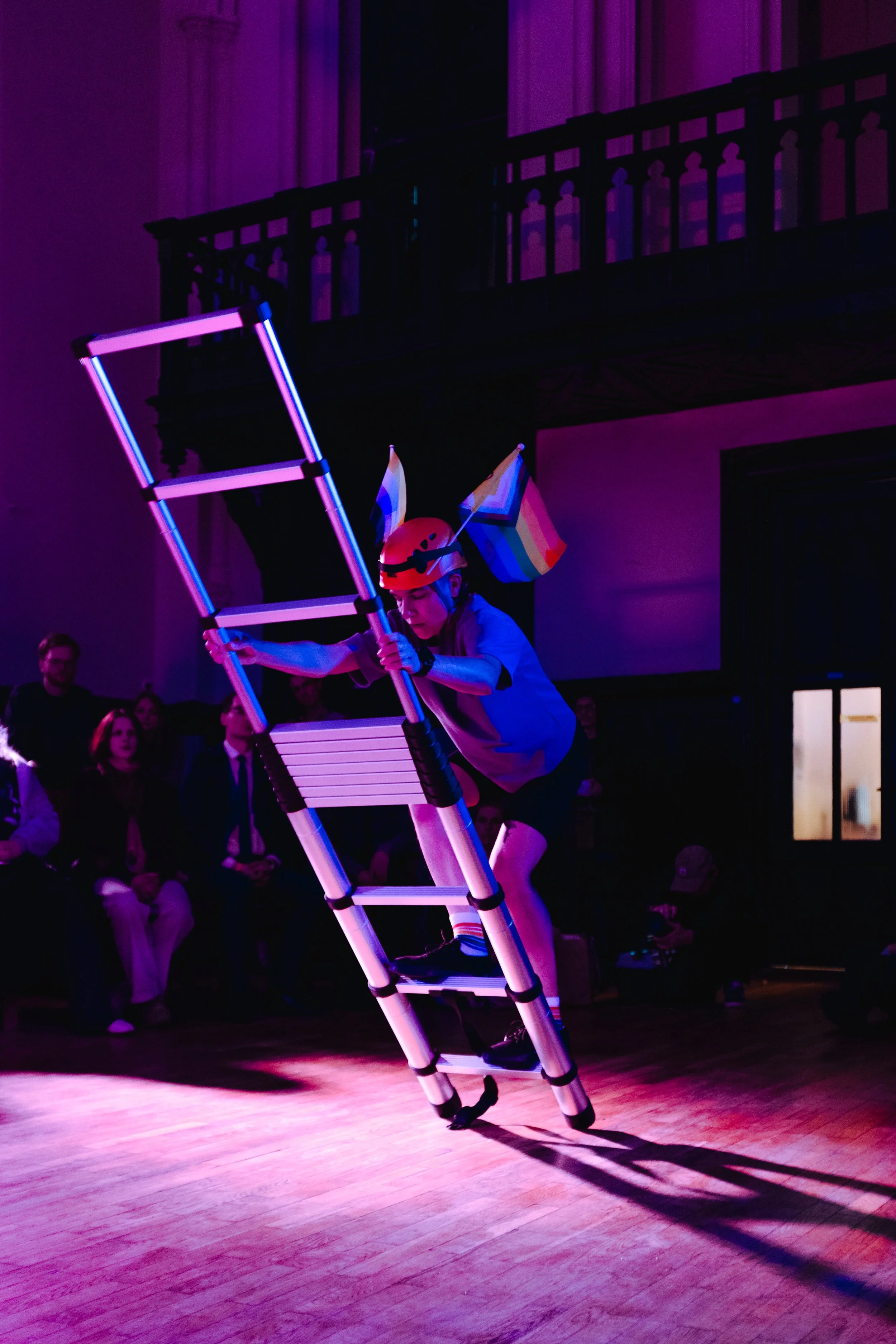
Mailo Mēness. "Will You Let Me In?" Photo by Dace Kundrāte
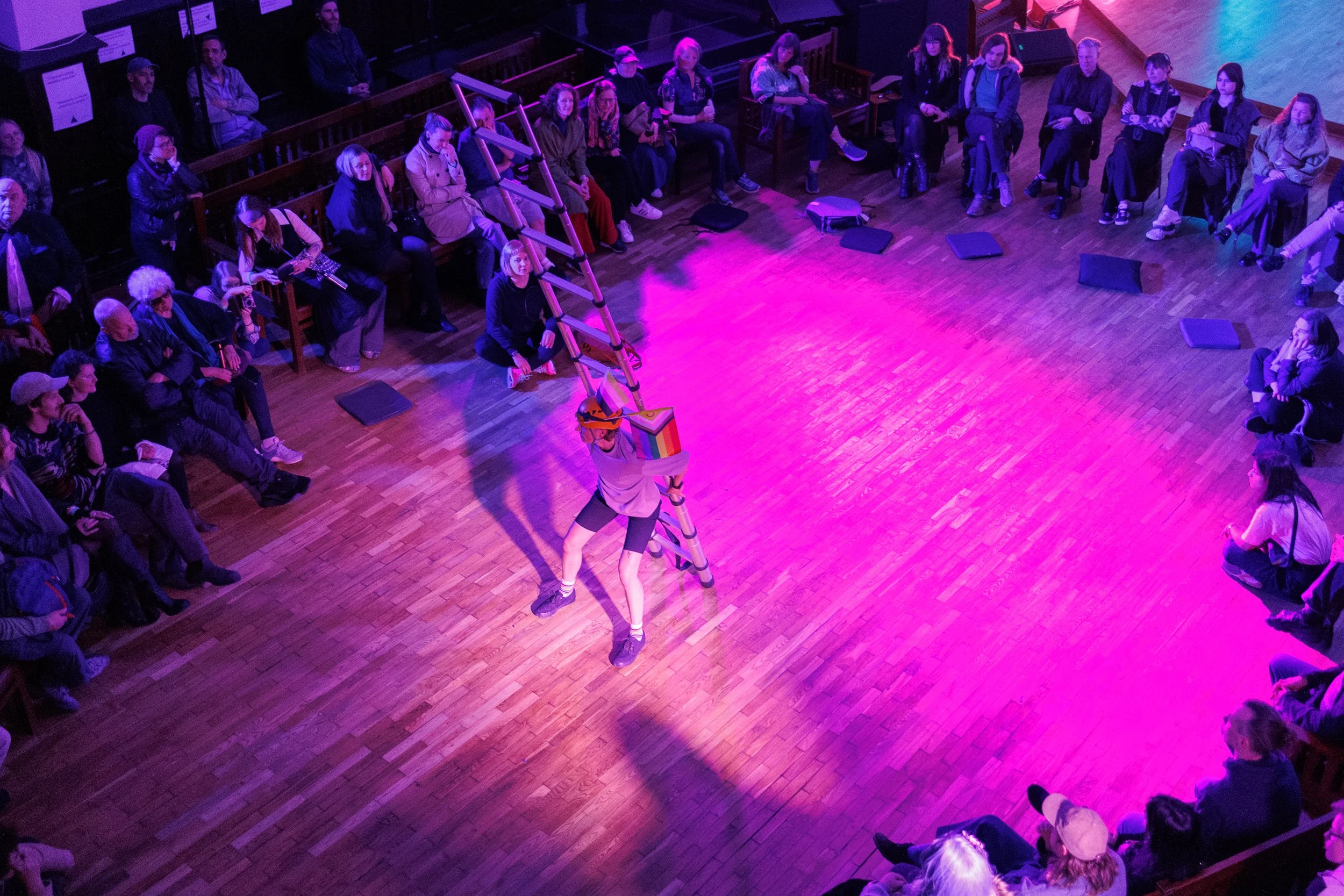
Mailo Mēness. "Will You Let Me In?" Photo by Kaspars Zborovskis
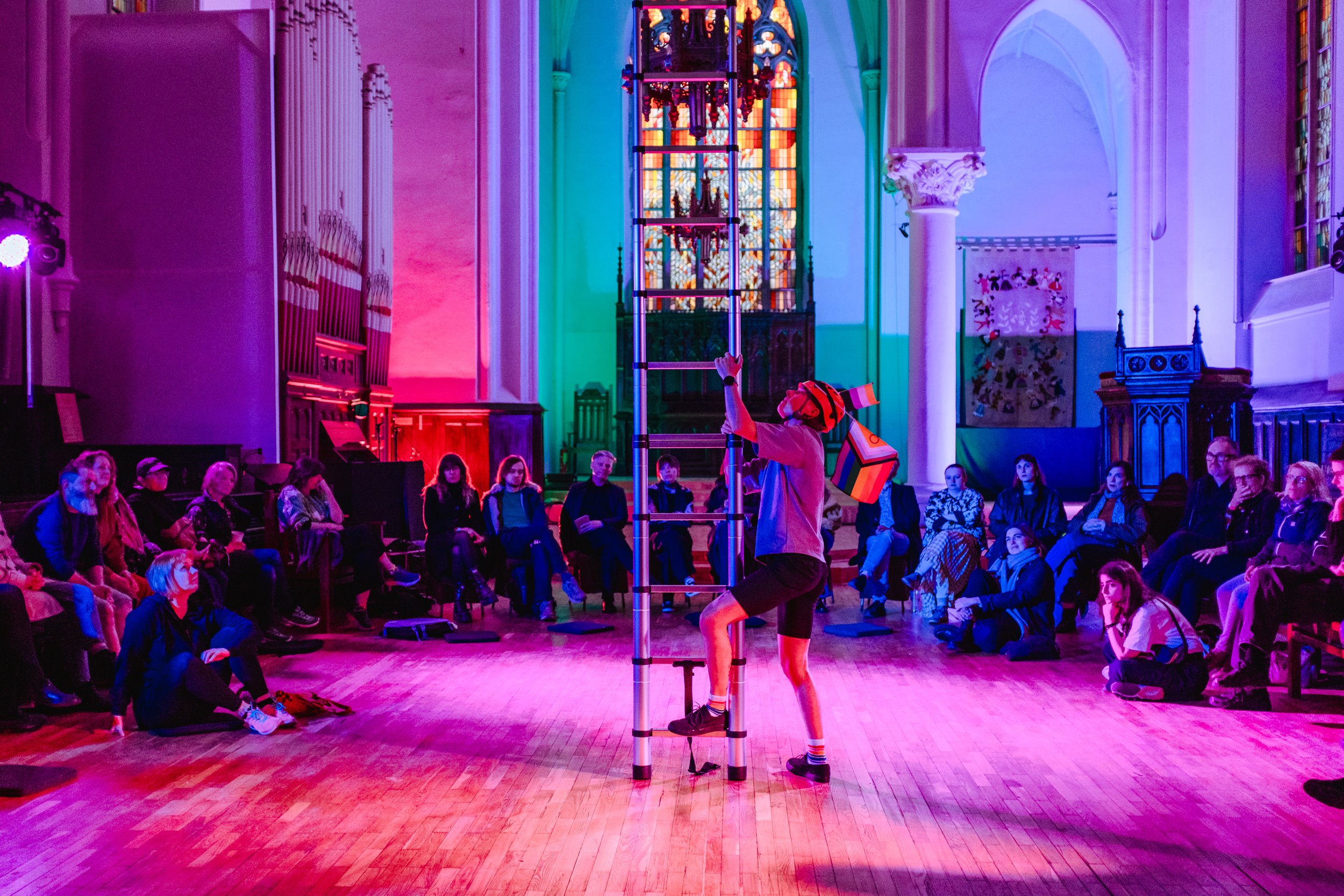
Mailo Mēness. "Will You Let Me In?" Photo by Dace Kundrāte
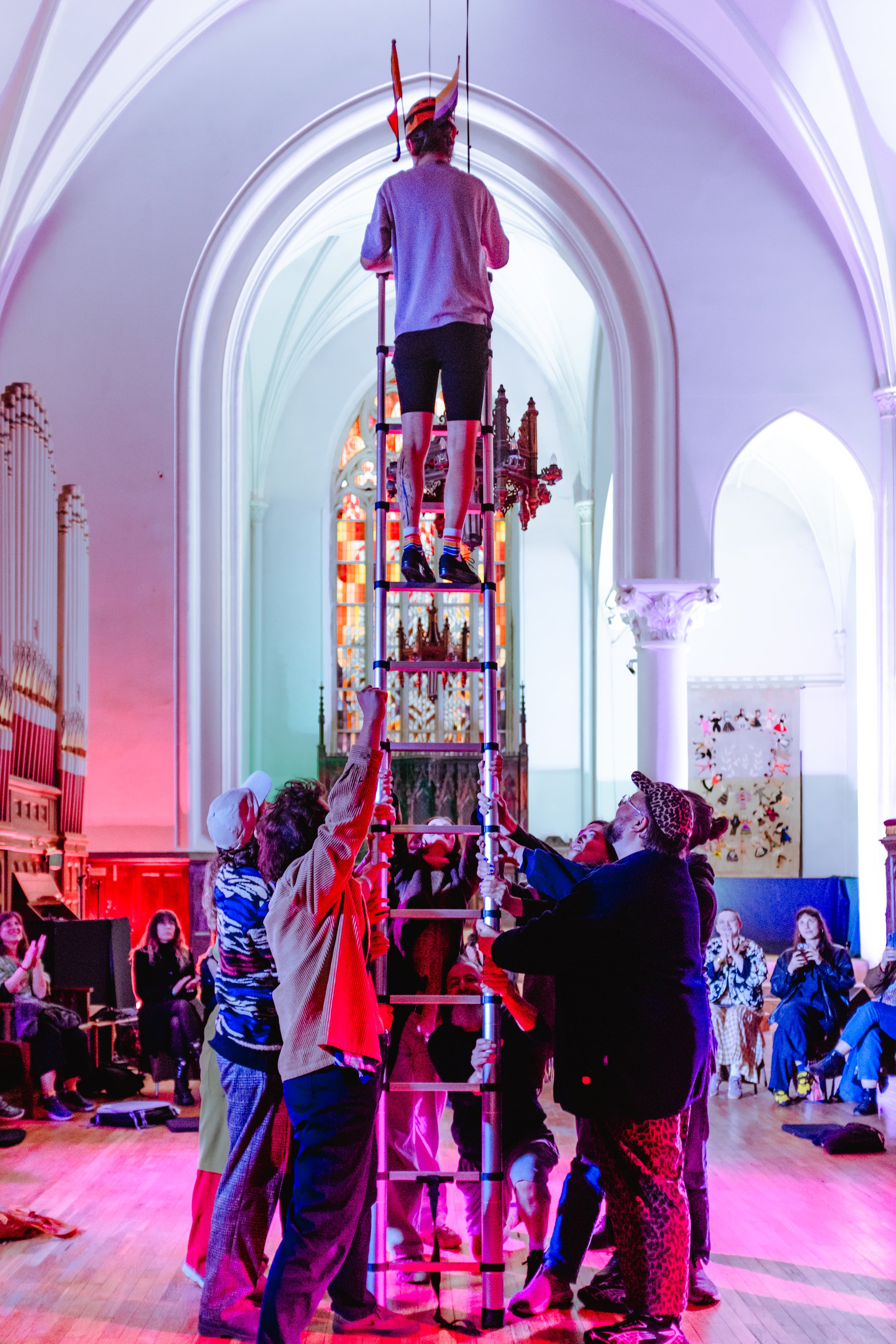
Mailo Mēness. "Will You Let Me In?" Photo by Dace Kundrāte
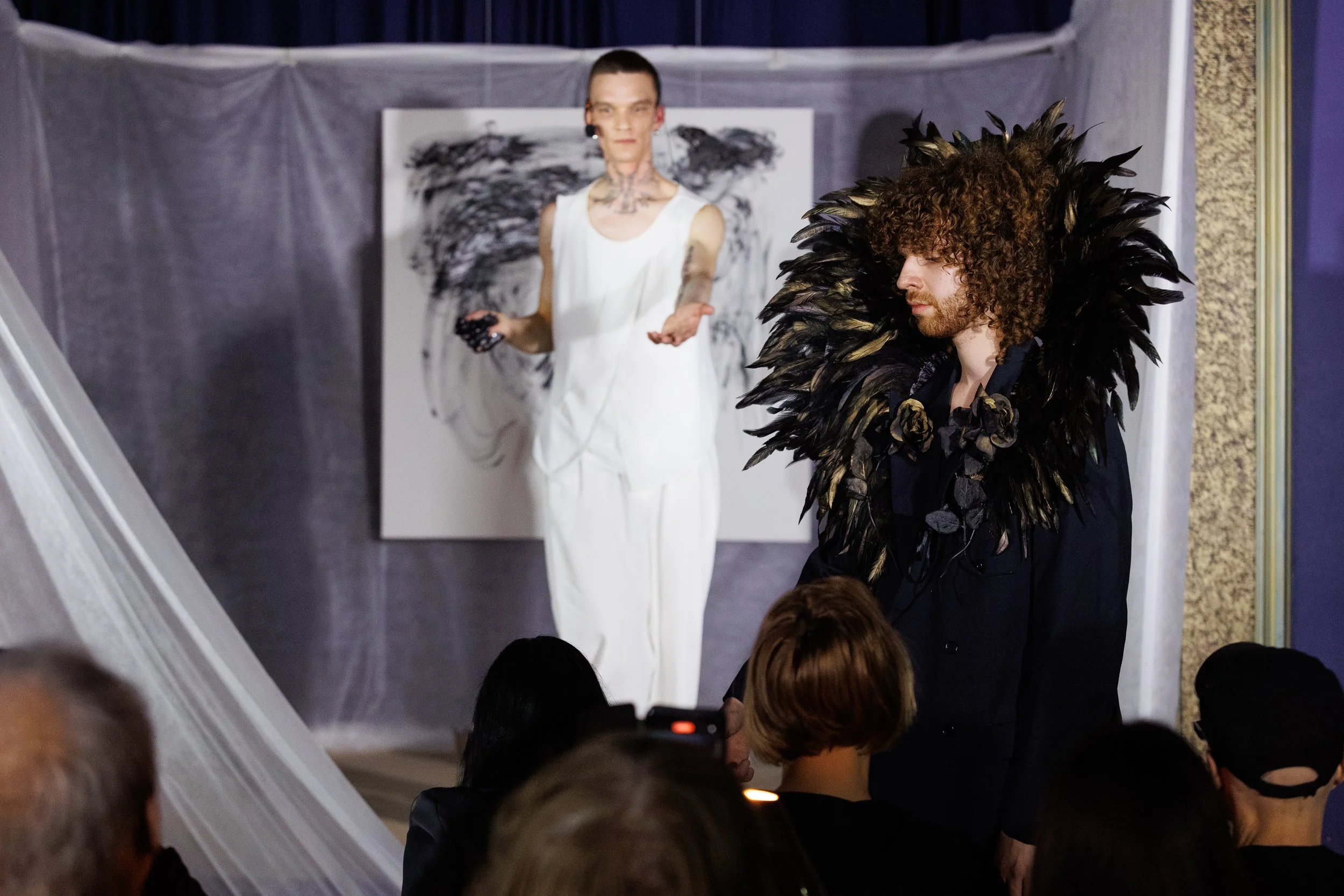
Aleksis Ramanis. "4.48 Psychosis" Photo by Kaspars Zborovskis
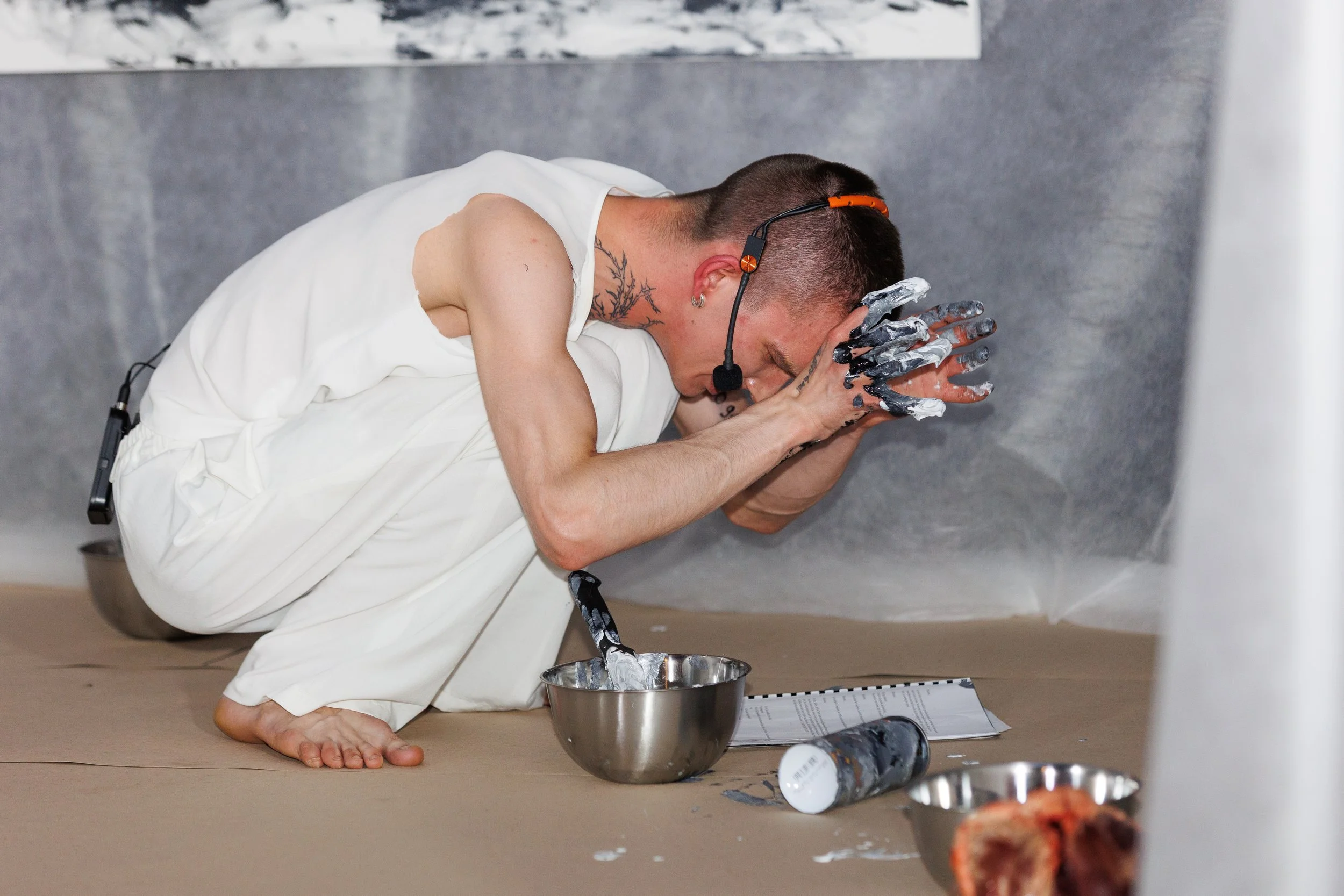
Aleksis Ramanis. "4.48 Psychosis" Photo by Kaspars Zborovskis
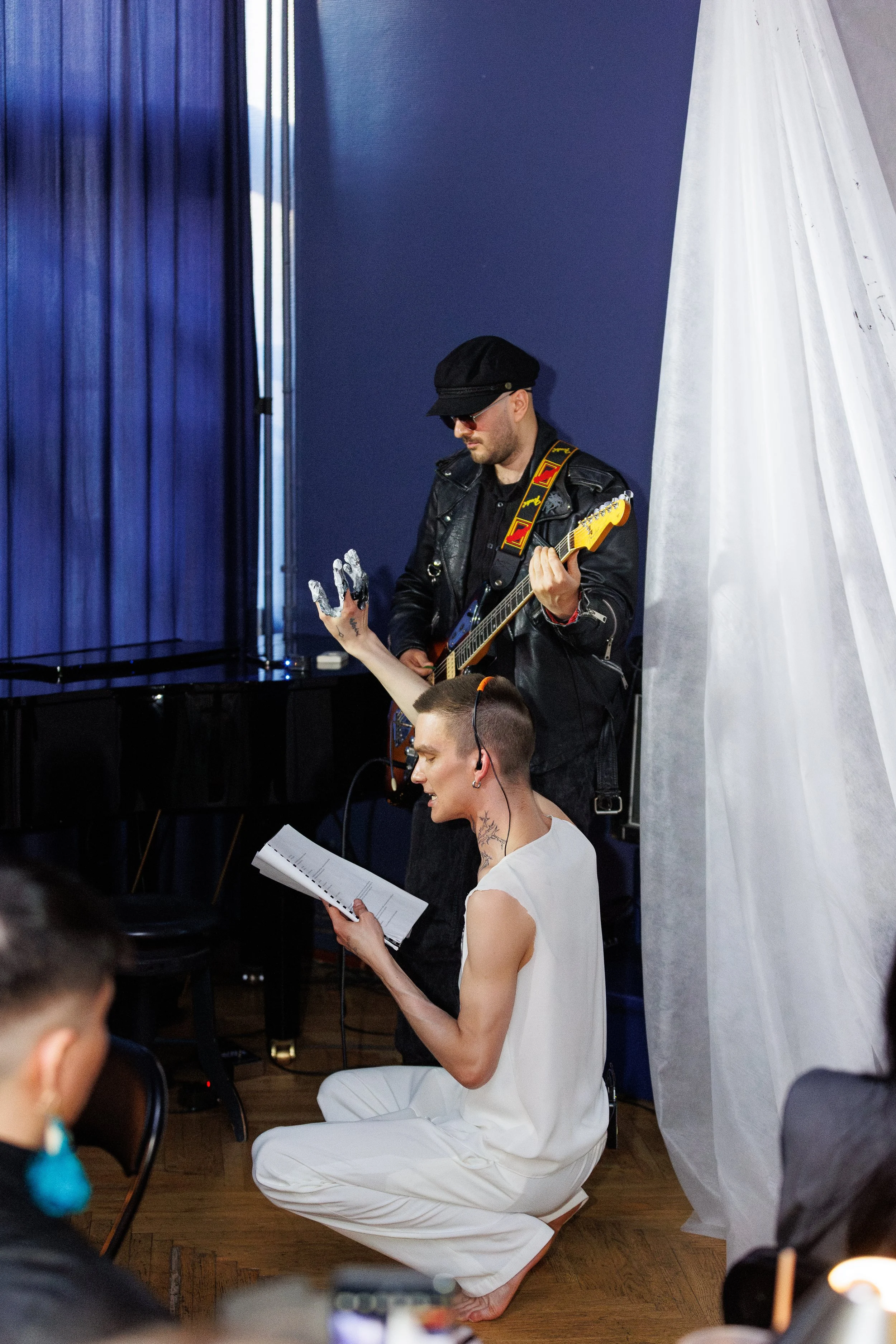
Aleksis Ramanis. "4.48 Psychosis" Photo by Kaspars Zborovskis
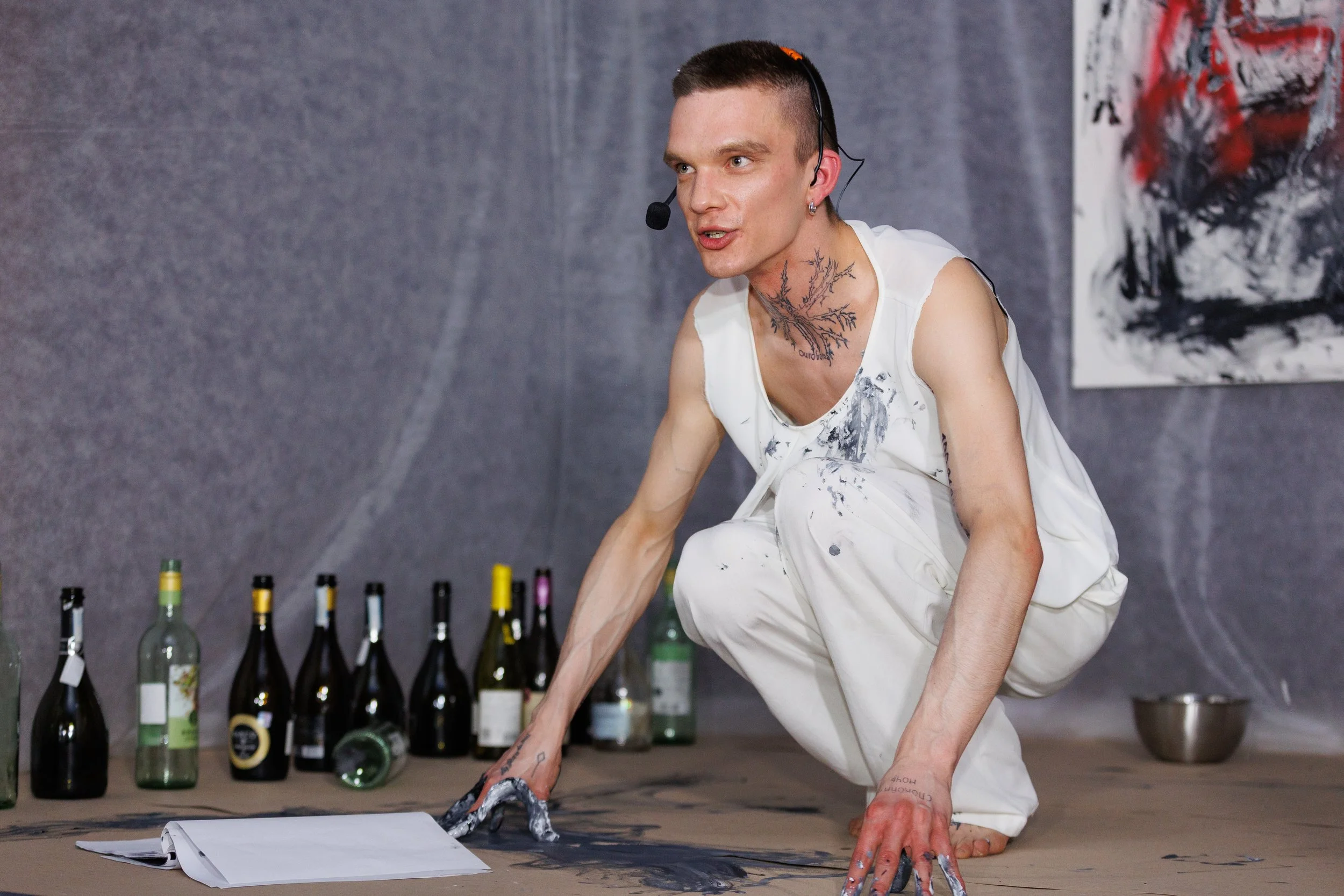
Aleksis Ramanis. "4.48 Psychosis" Photo by Kaspars Zborovskis
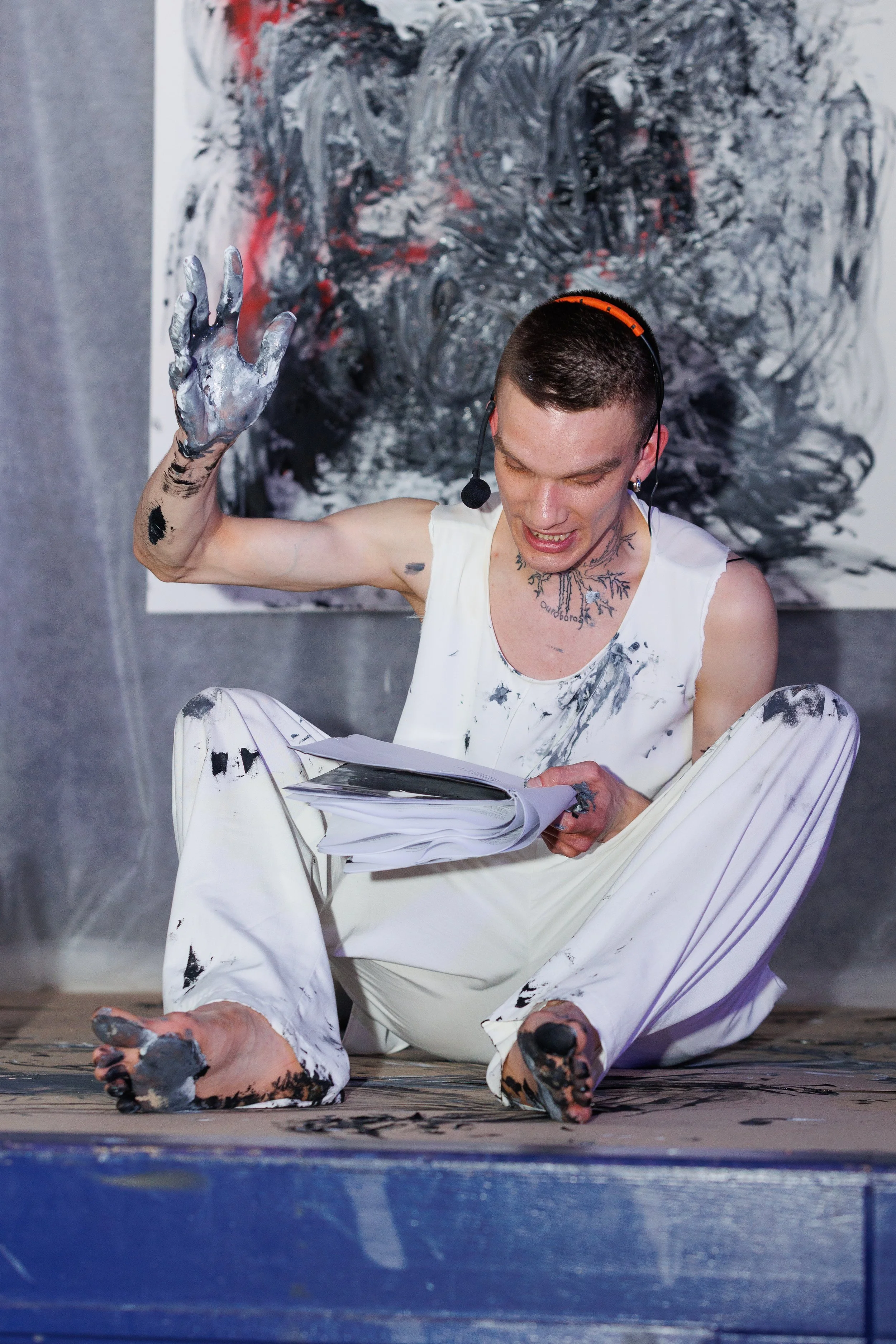
Aleksis Ramanis. "4.48 Psychosis" Photo by Kaspars Zborovskis
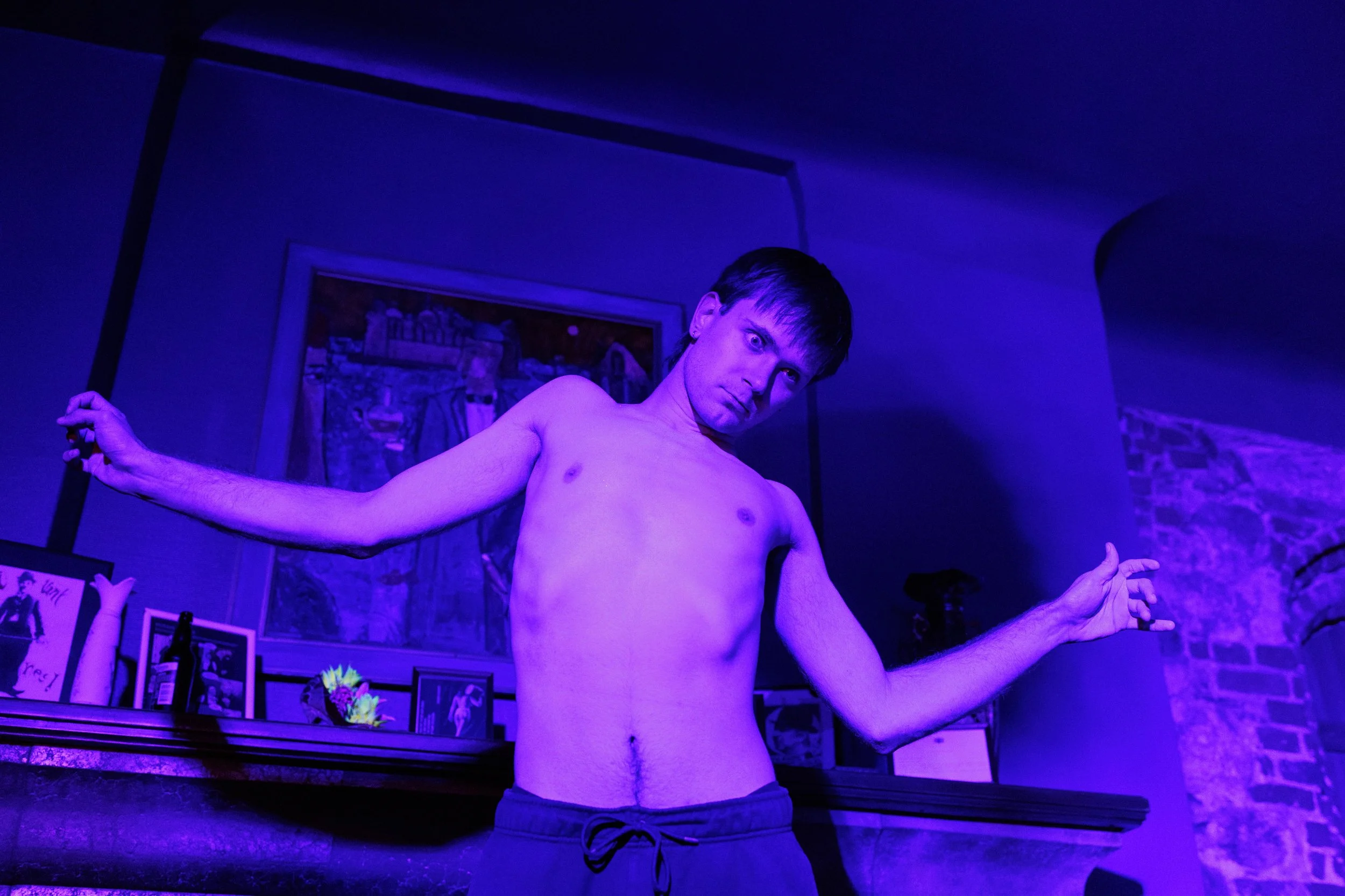
Ernests Valts Circenis. "Towards the Borders of the Self" Photo by Kaspars Zborovskis
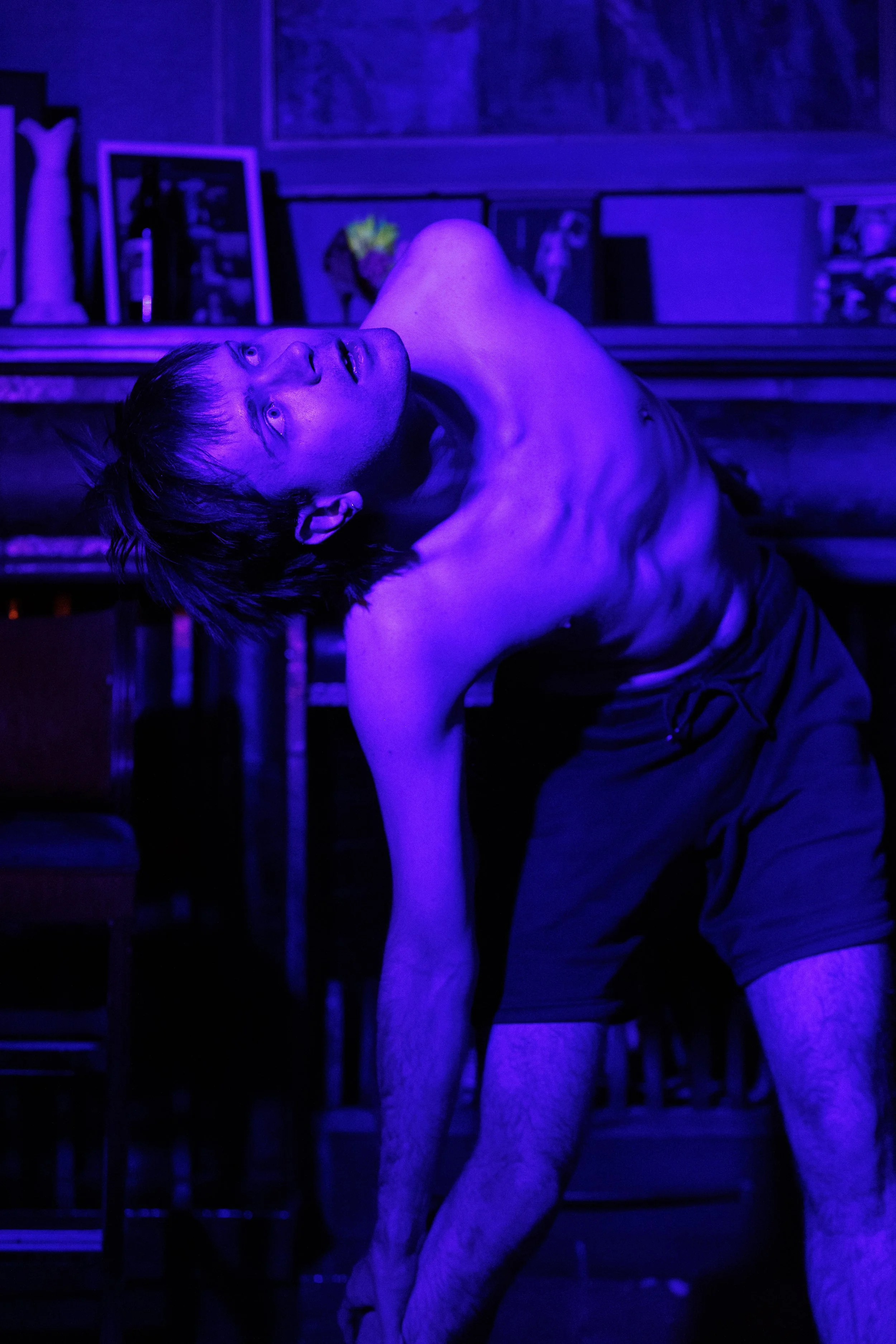
Ernests Valts Circenis. "Towards the Borders of the Self" Photo by Kaspars Zborovskis
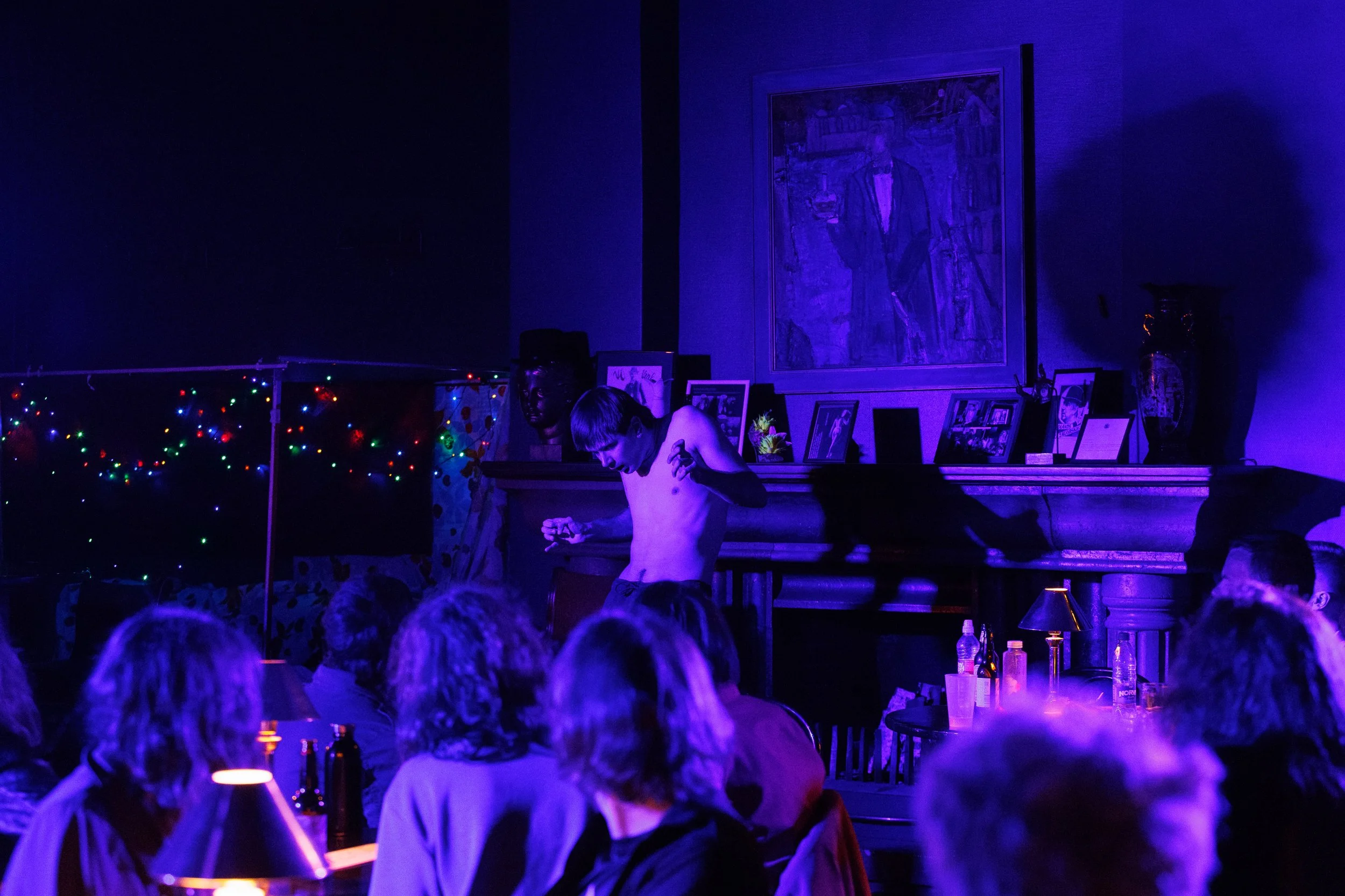
Ernests Valts Circenis. "Towards the Borders of the Self" Photo by Kaspars Zborovskis
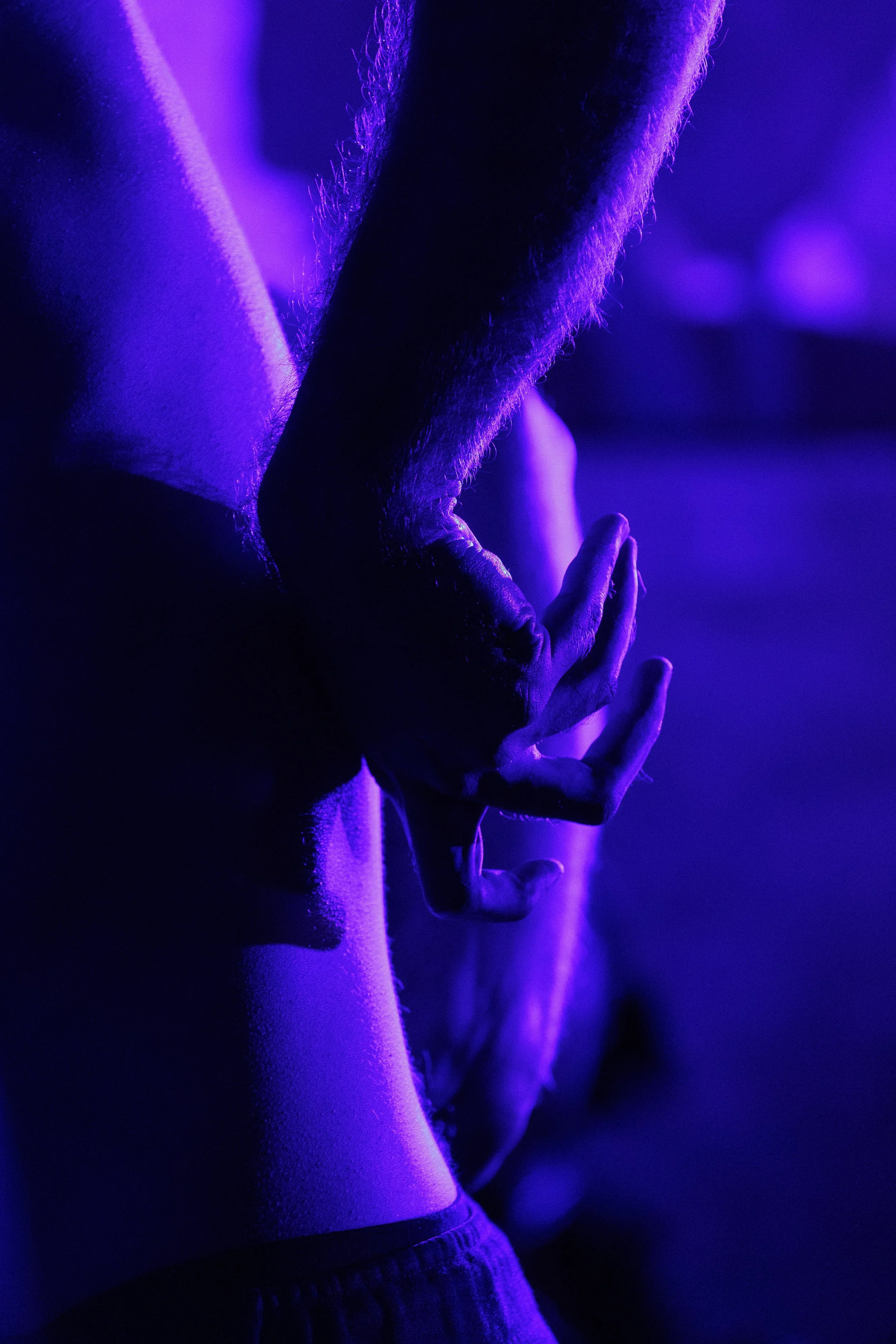
Ernests Valts Circenis. "Towards the Borders of the Self" Photo by Kaspars Zborovskis
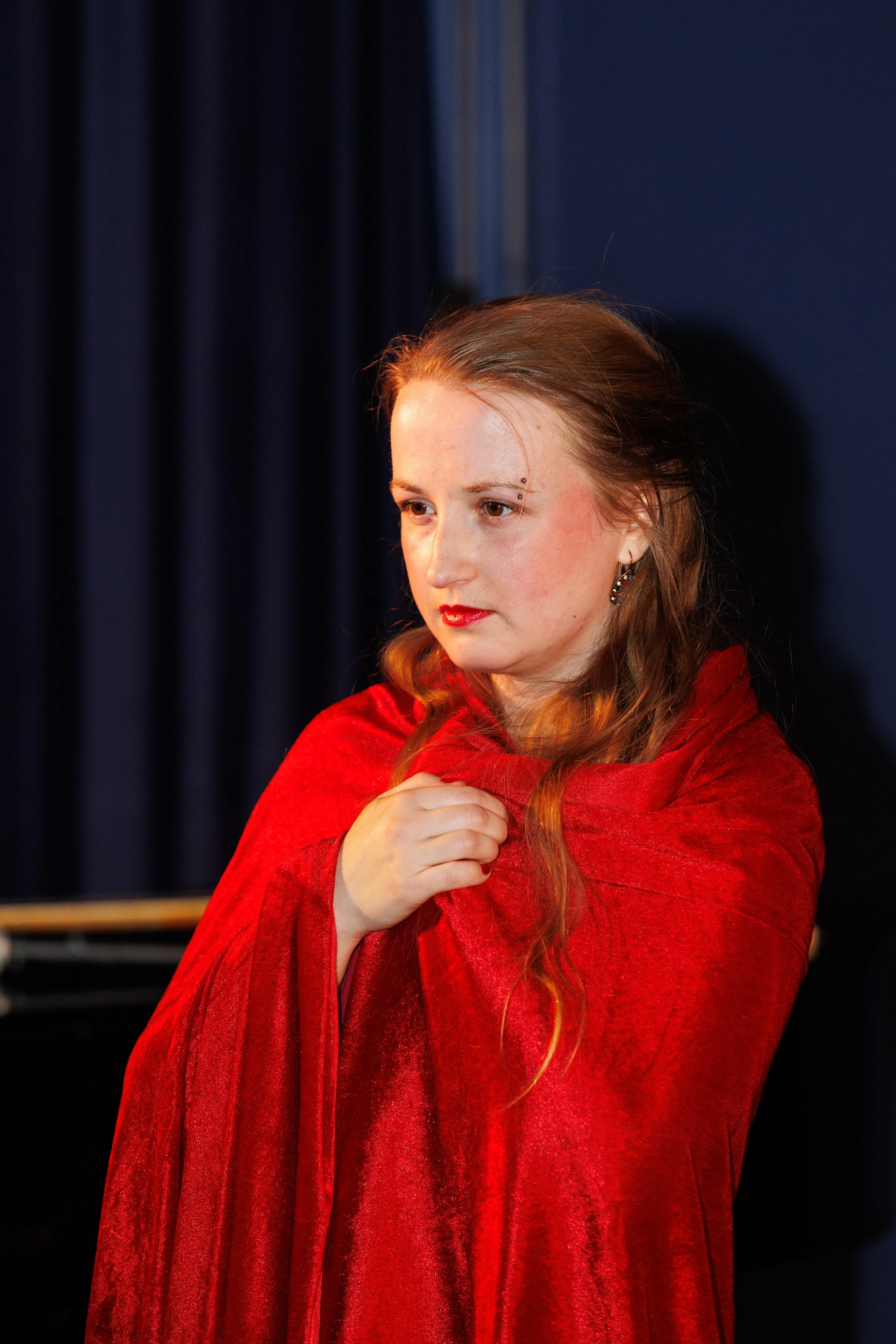
Kristiāna Šuksta. "Death of an Opera Singer" Photo by Kaspars Zborovskis
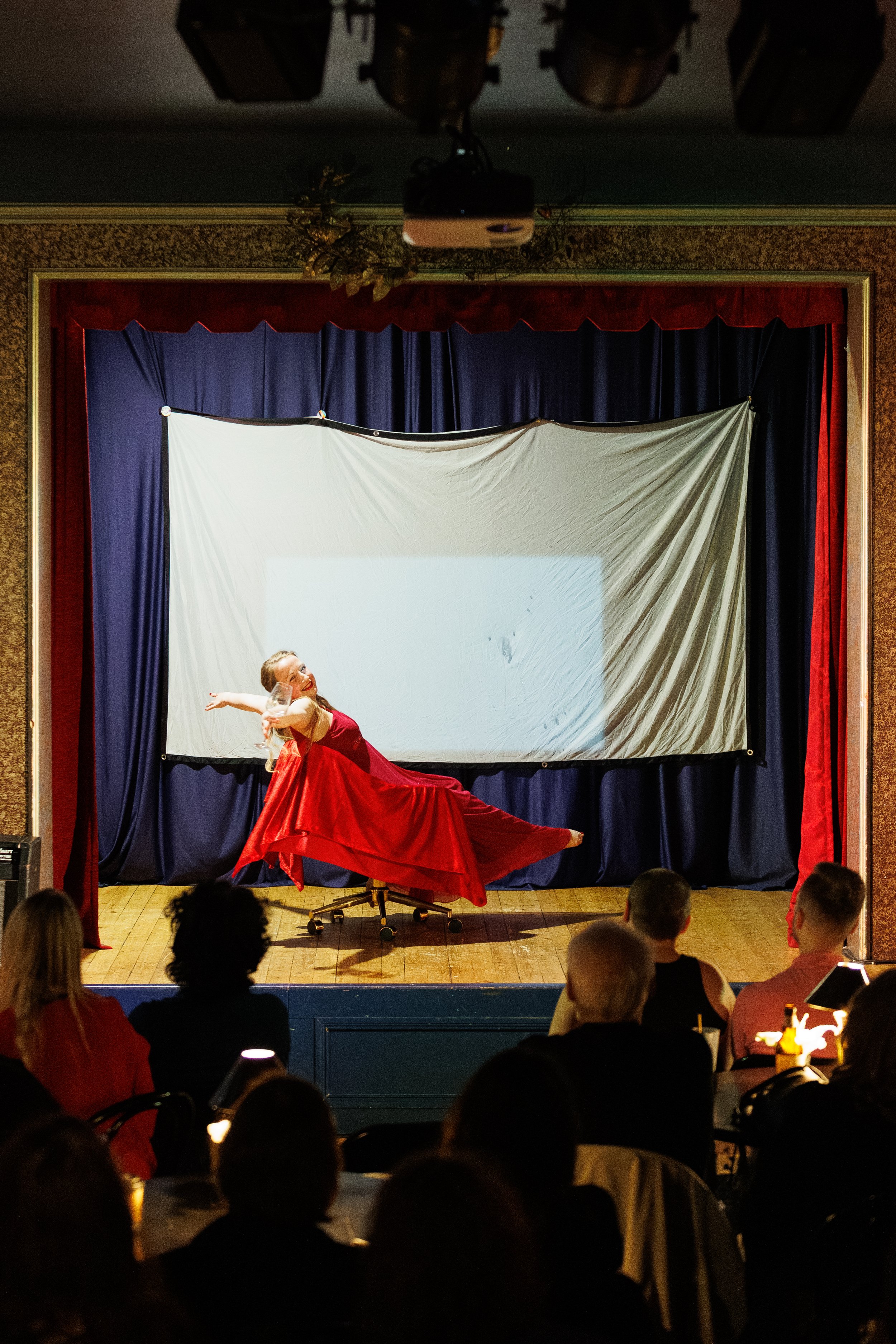
Kristiāna Šuksta. "Death of an Opera Singer" Photo by Kaspars Zborovskis
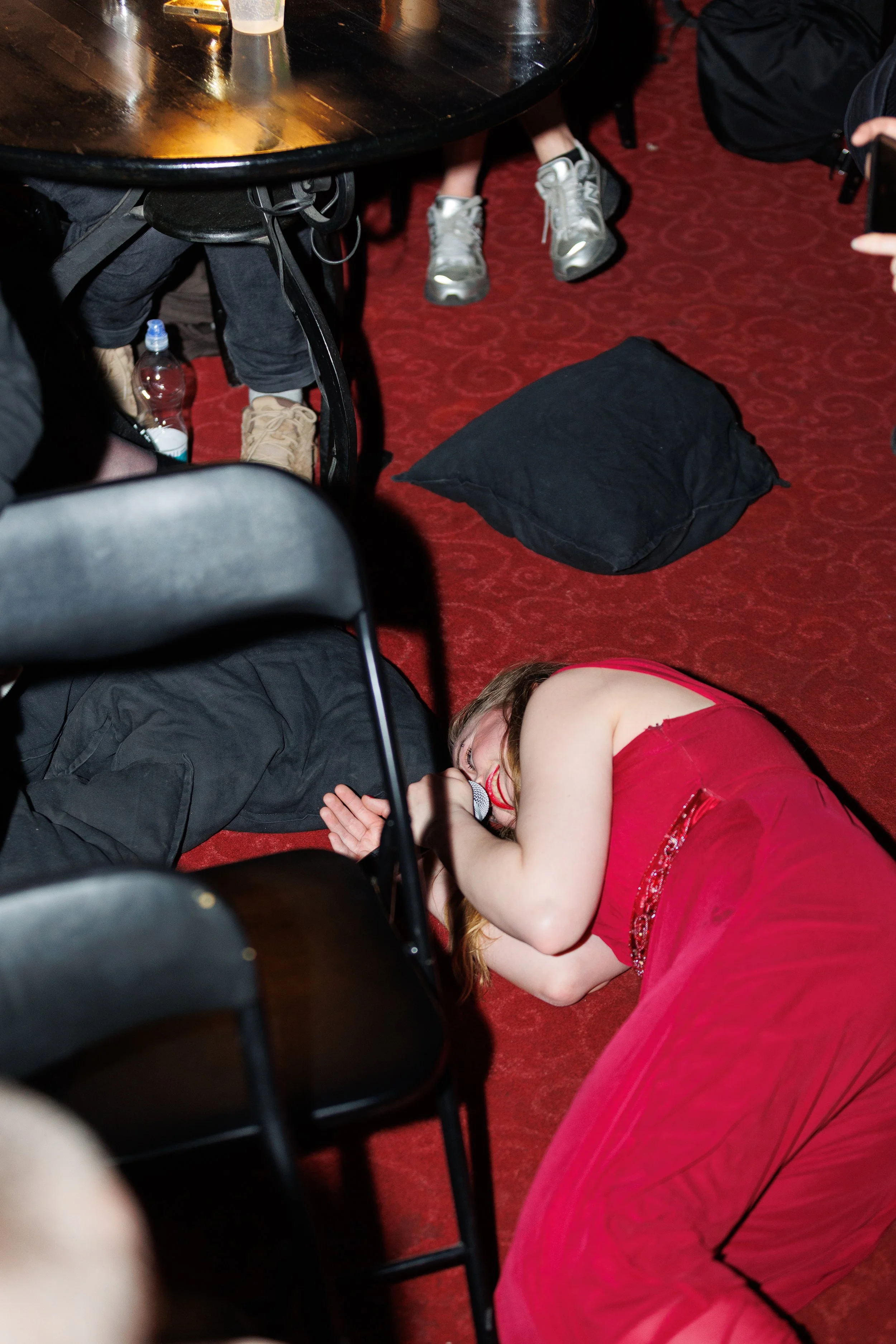
Kristiāna Šuksta. "Death of an Opera Singer" Photo by Kaspars Zborovskis
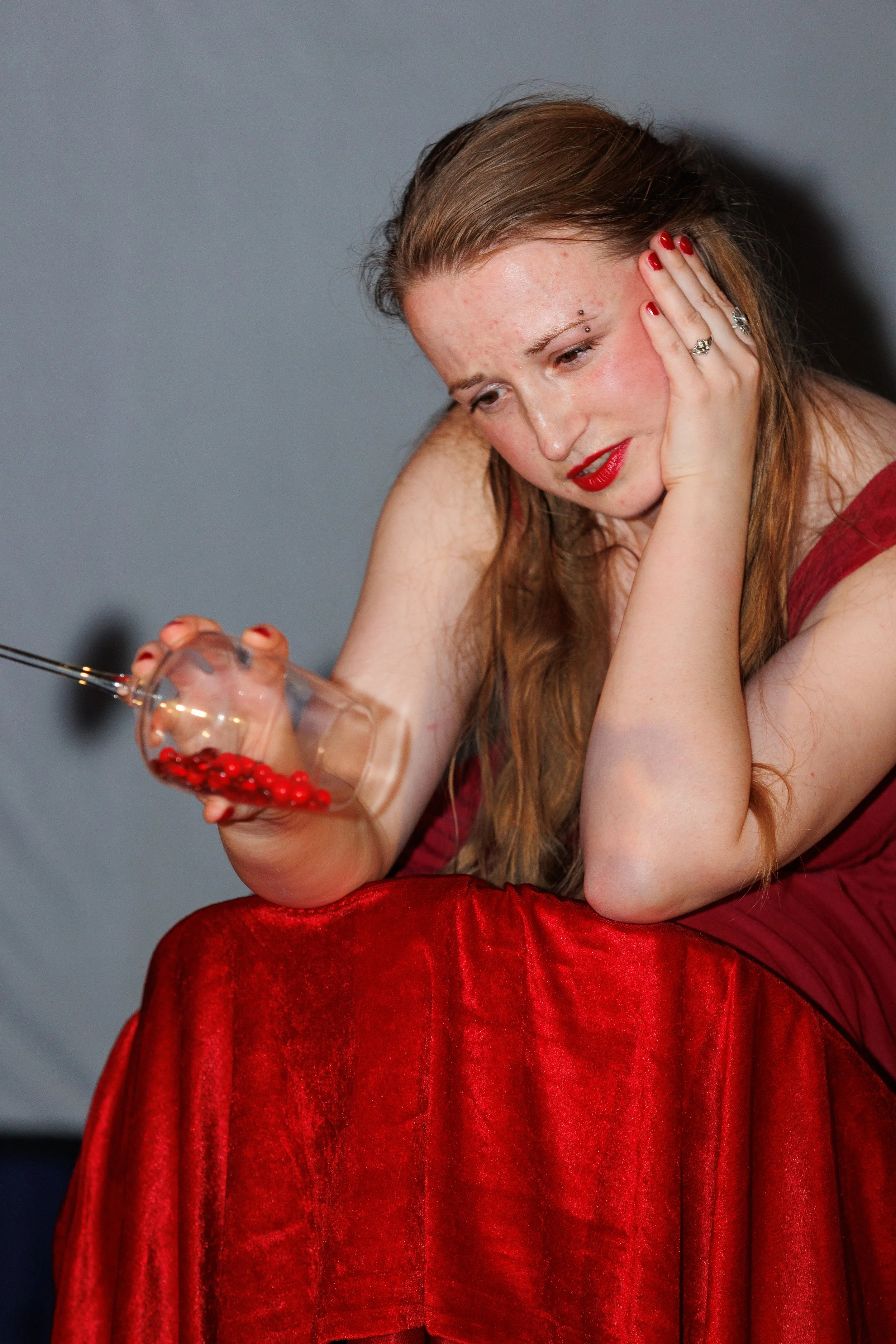
Kristiāna Šuksta. "Death of an Opera Singer" Photo by Kaspars Zborovskis
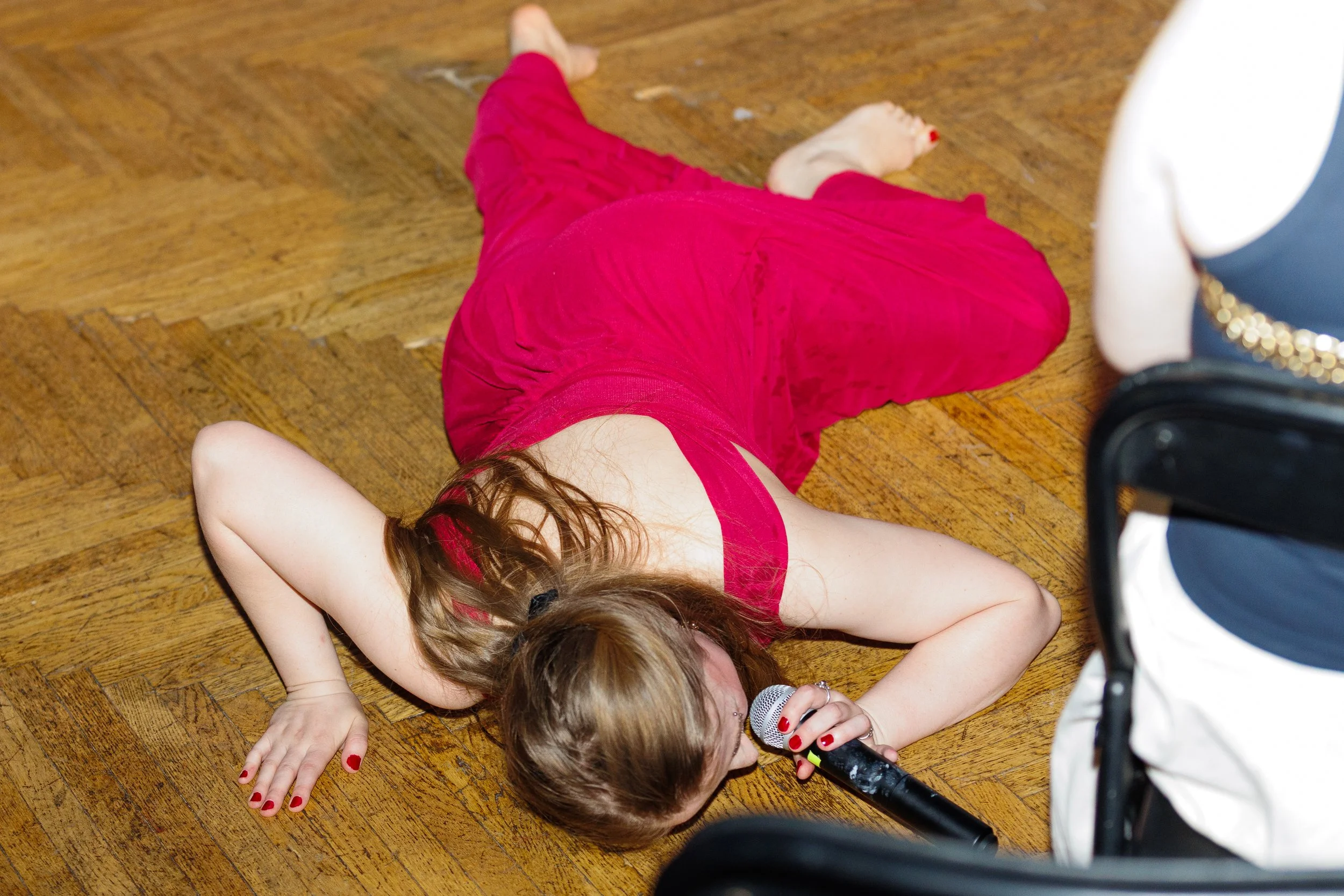
Kristiāna Šuksta. "Death of an Opera Singer" Photo by Kaspars Zborovskis
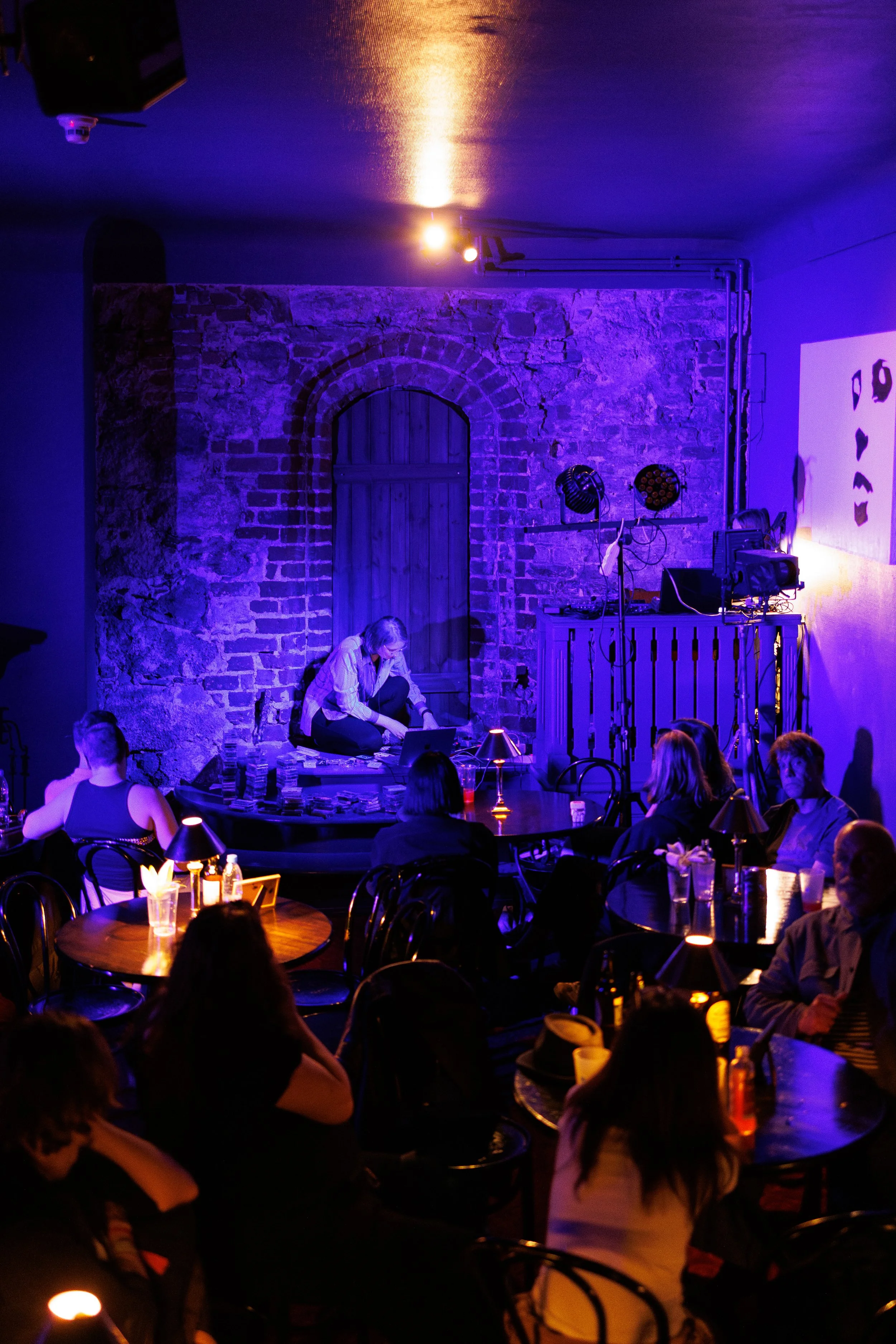
Gundega Graudiņa. "Bleed-Through" Photo by Kaspars Zborovskis
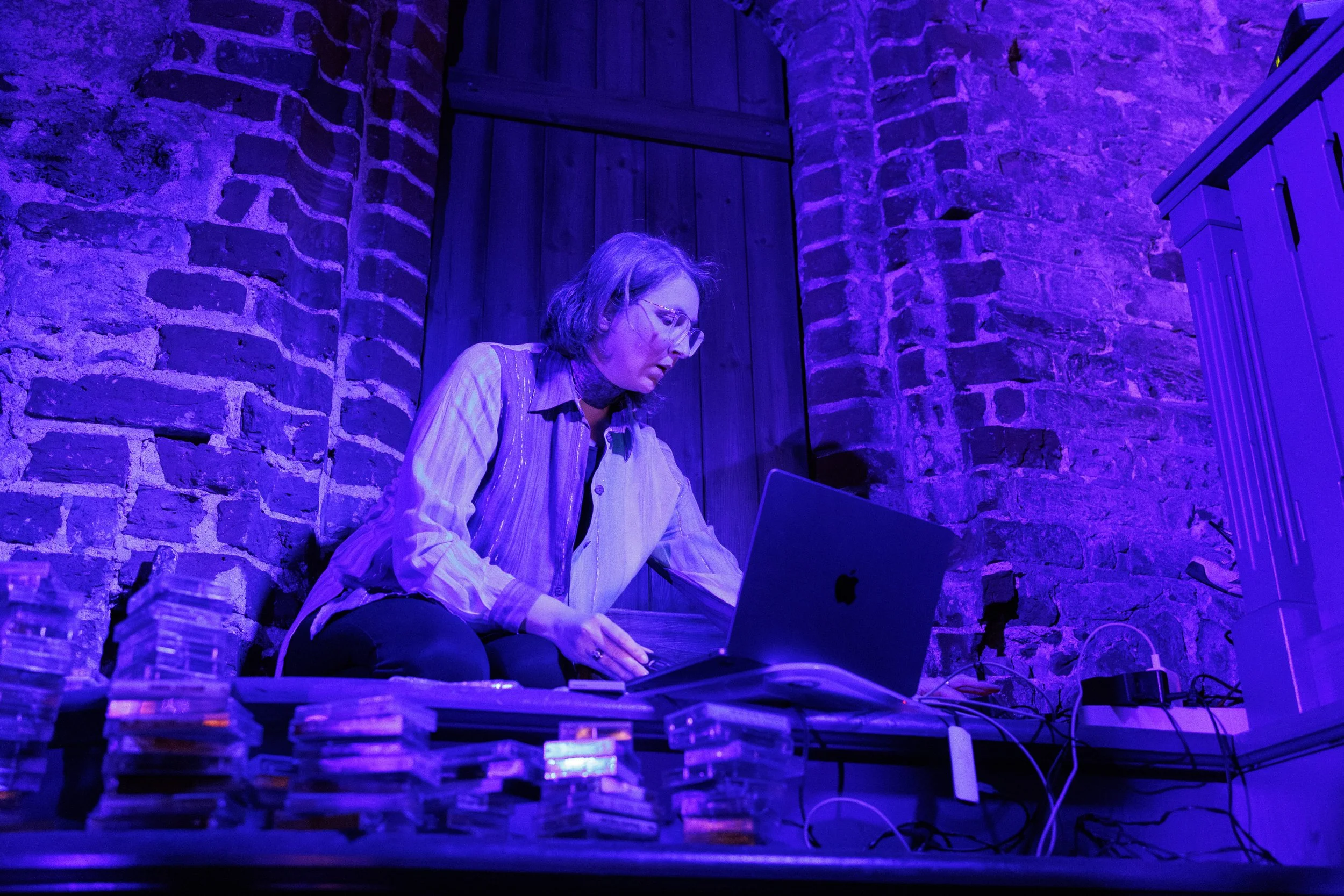
Gundega Graudiņa. "Bleed-Through" Photo by Kaspars Zborovskis
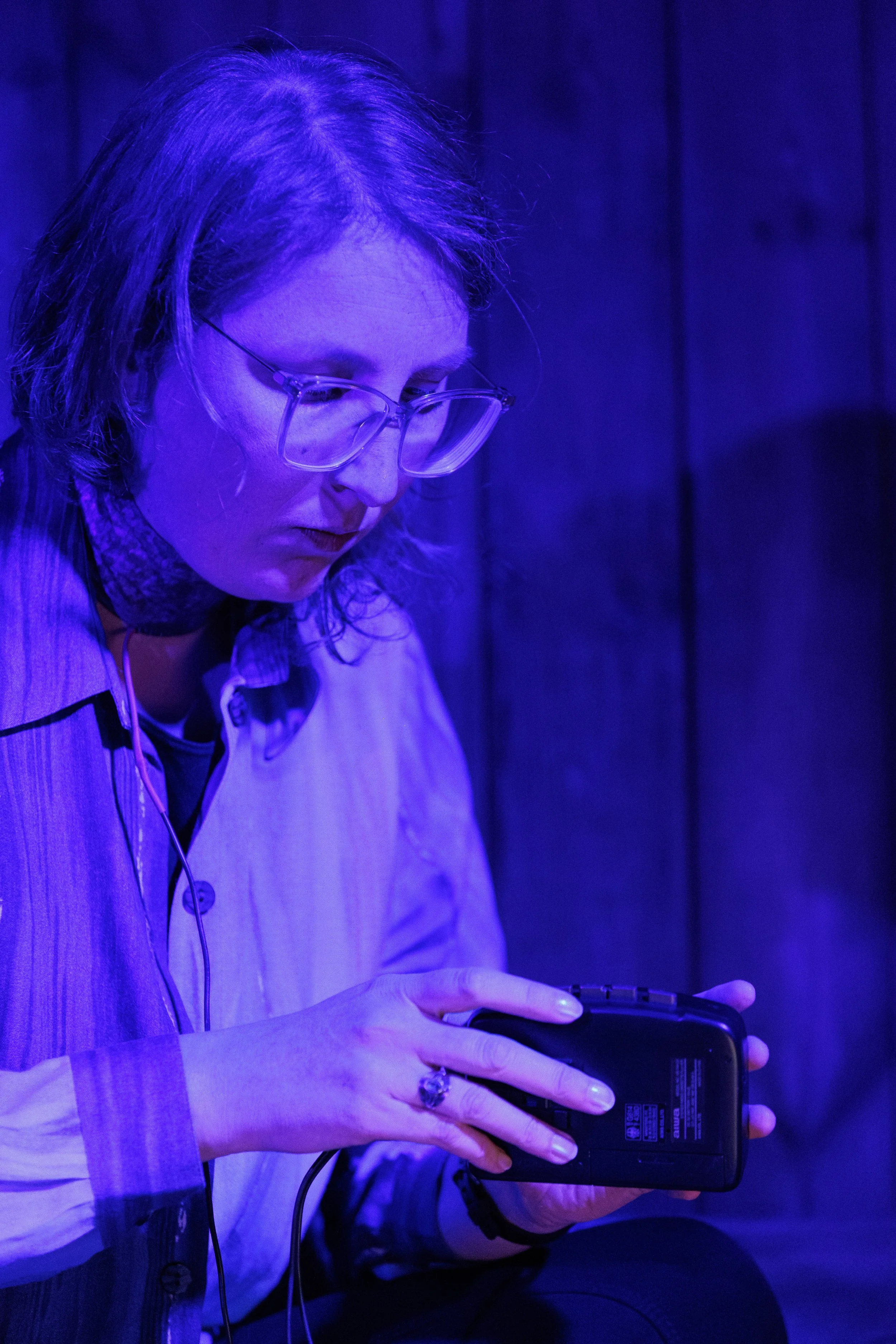
Gundega Graudiņa. "Bleed-Through" Photo by Kaspars Zborovskis
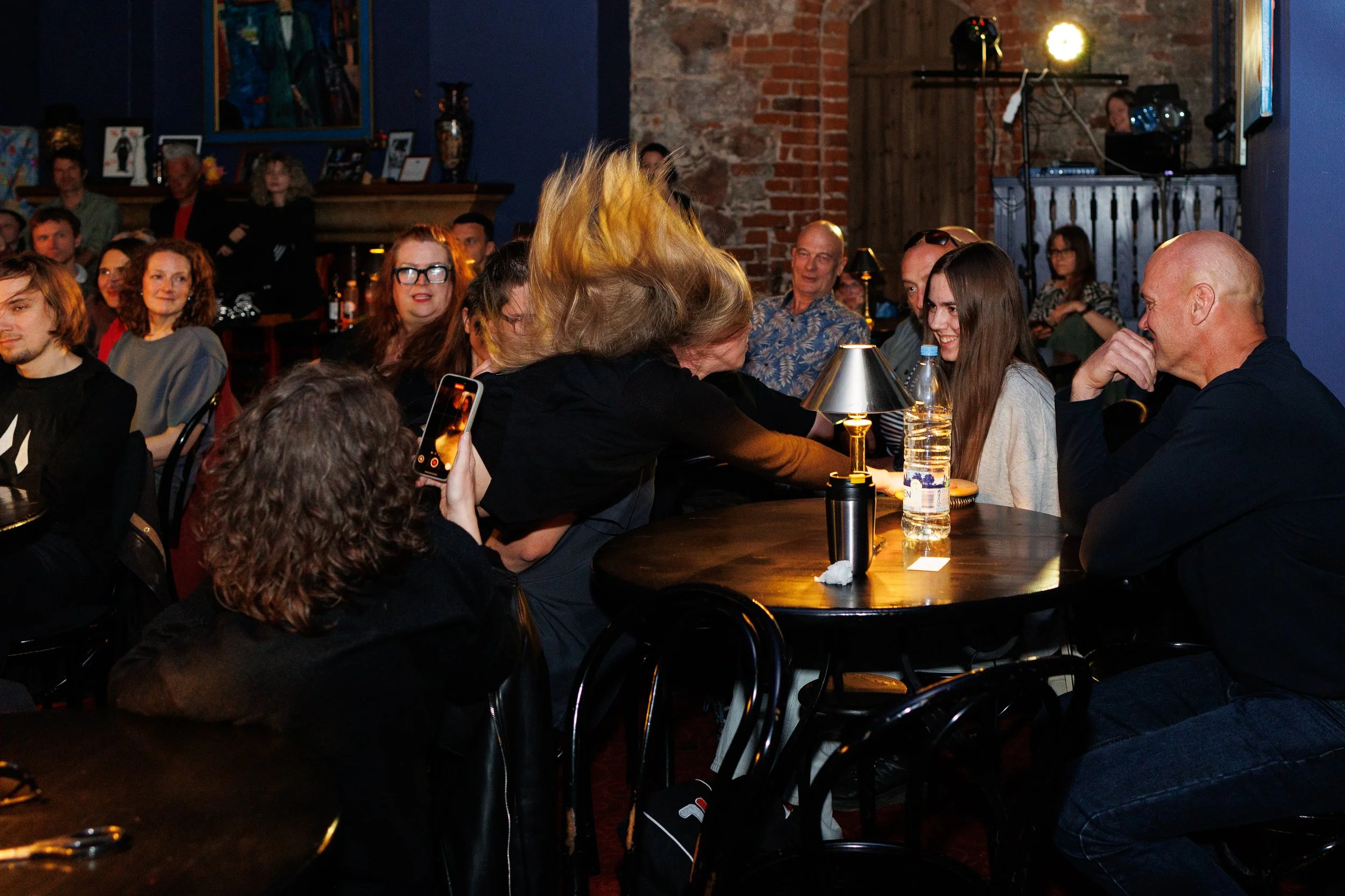
Ik Seja. "Matīt" Photo by Kaspars Zborovskis
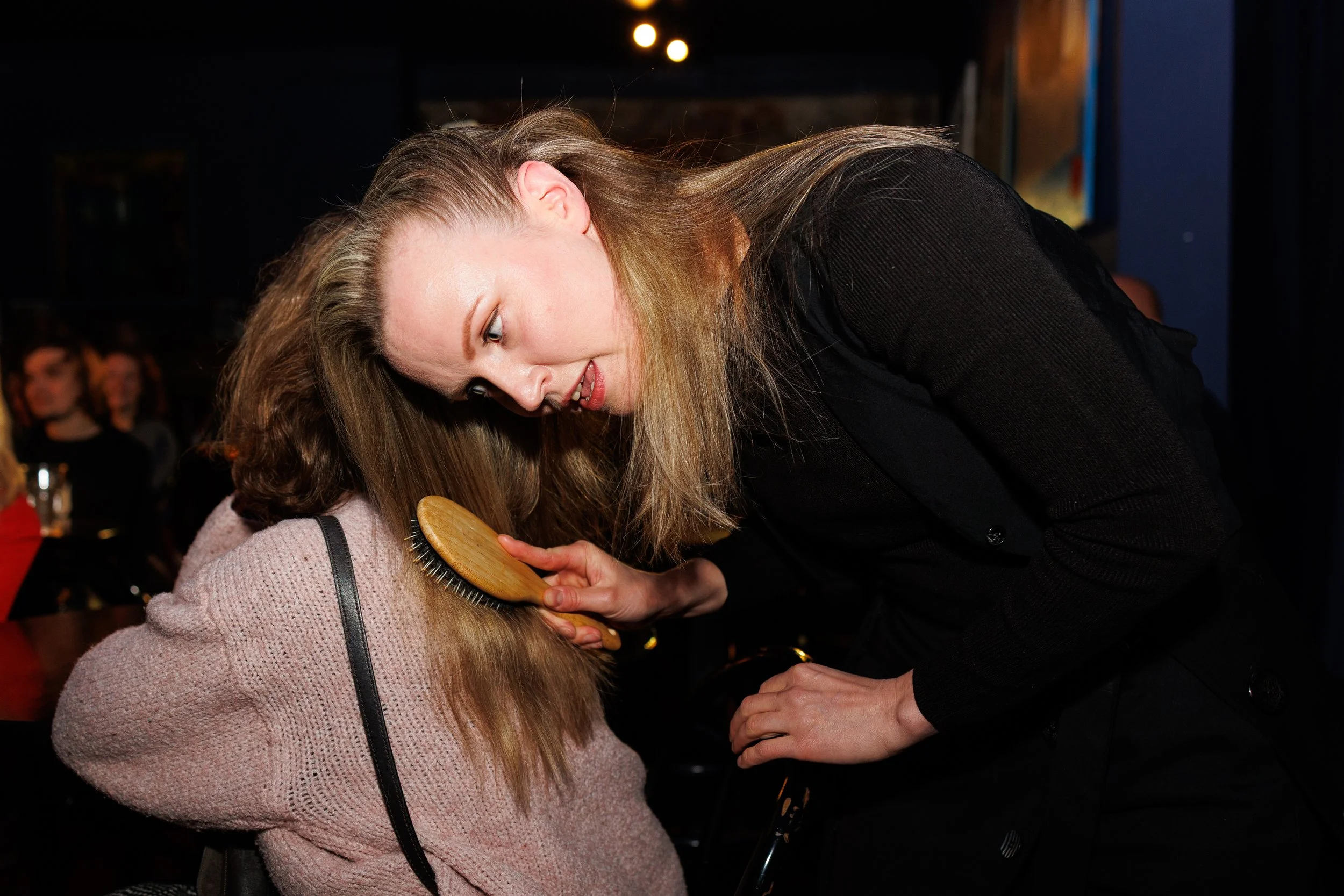
Ik Seja. "Matīt" Photo by Kaspars Zborovskis
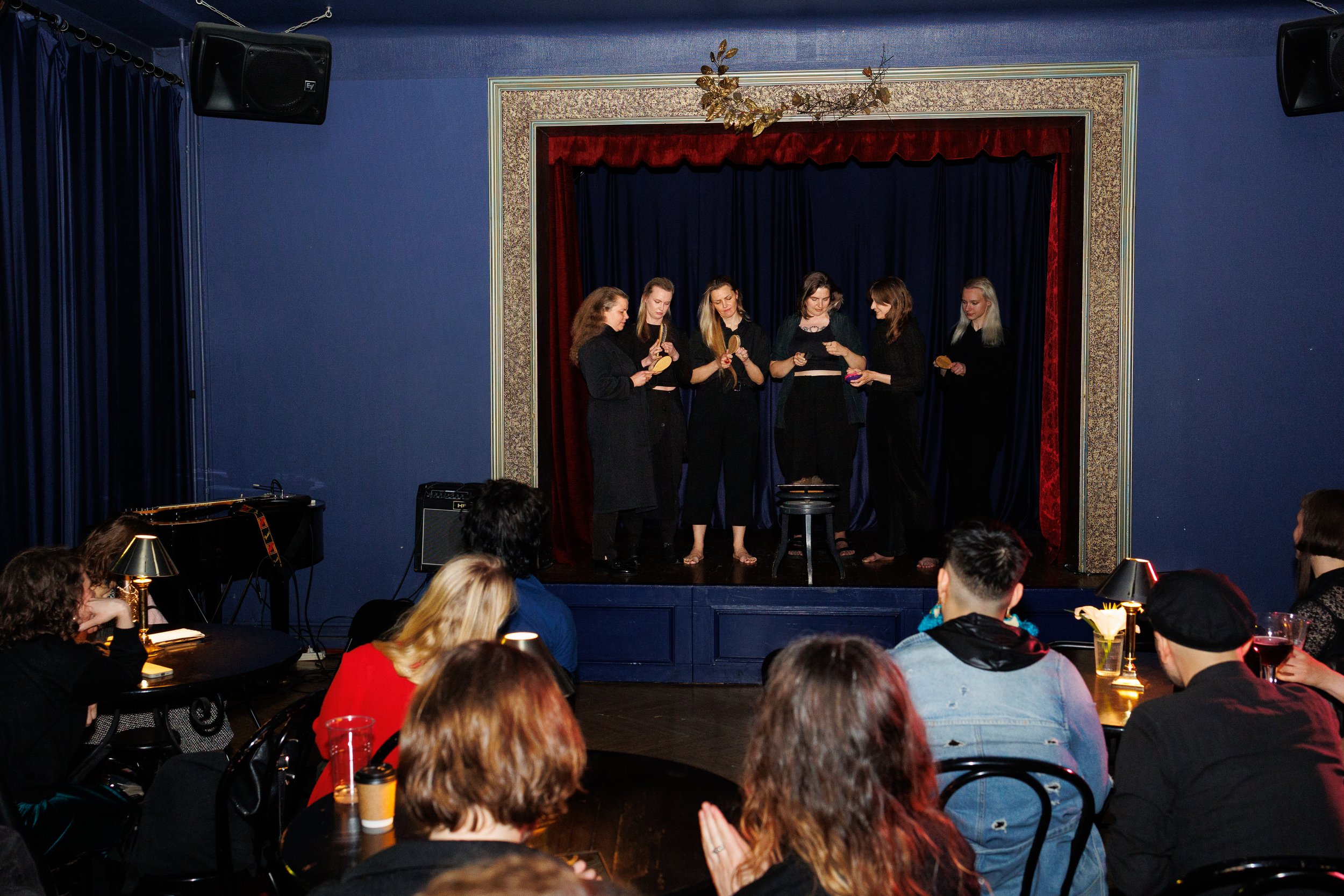
Ik Seja. "Matīt" Photo by Kaspars Zborovskis
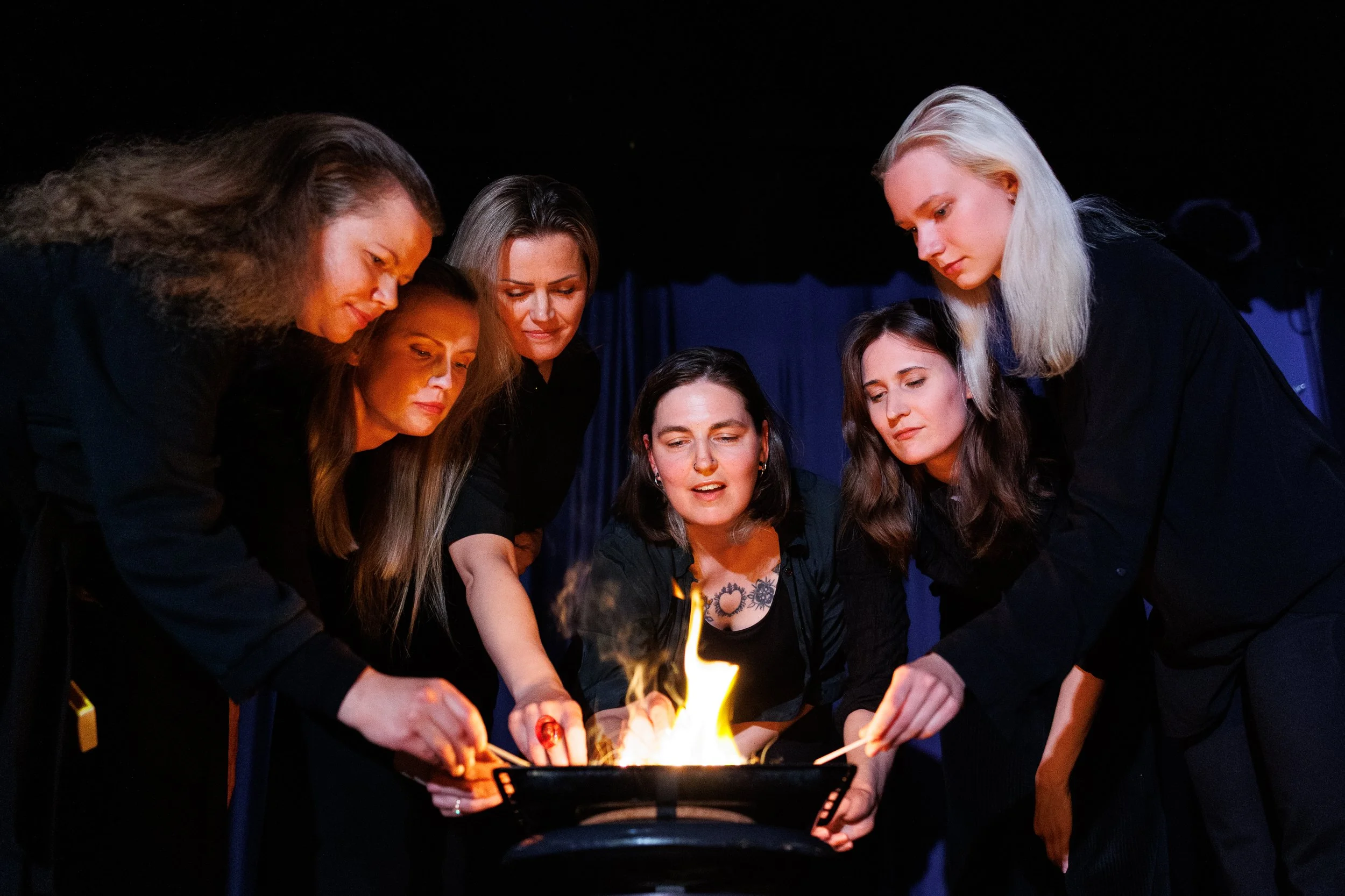
Ik Seja. "Matīt" Photo by Kaspars Zborovskis
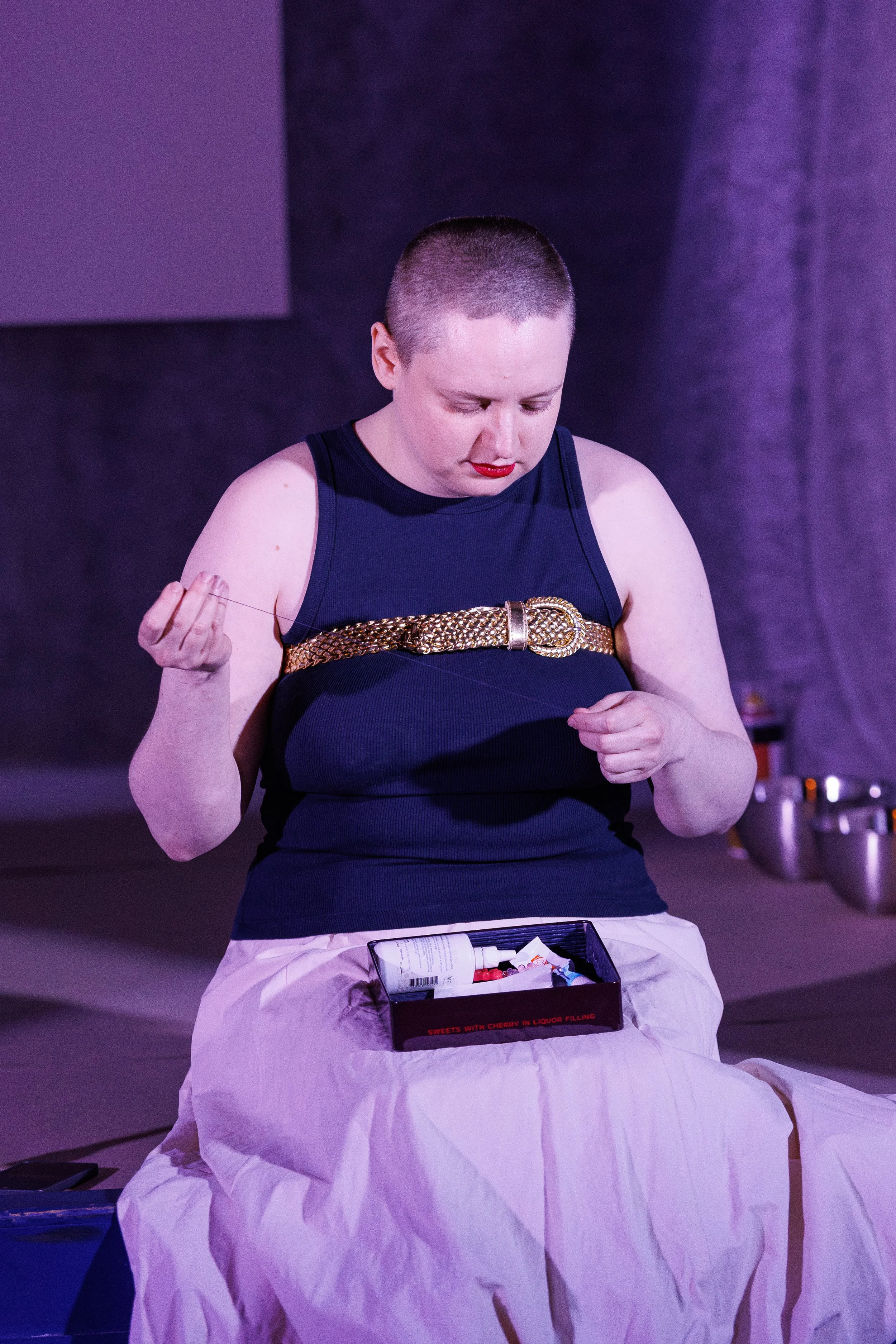
Katerina Dementeva. "She’s Not as Enlightened as You" Photo by Kaspars Zborovskis
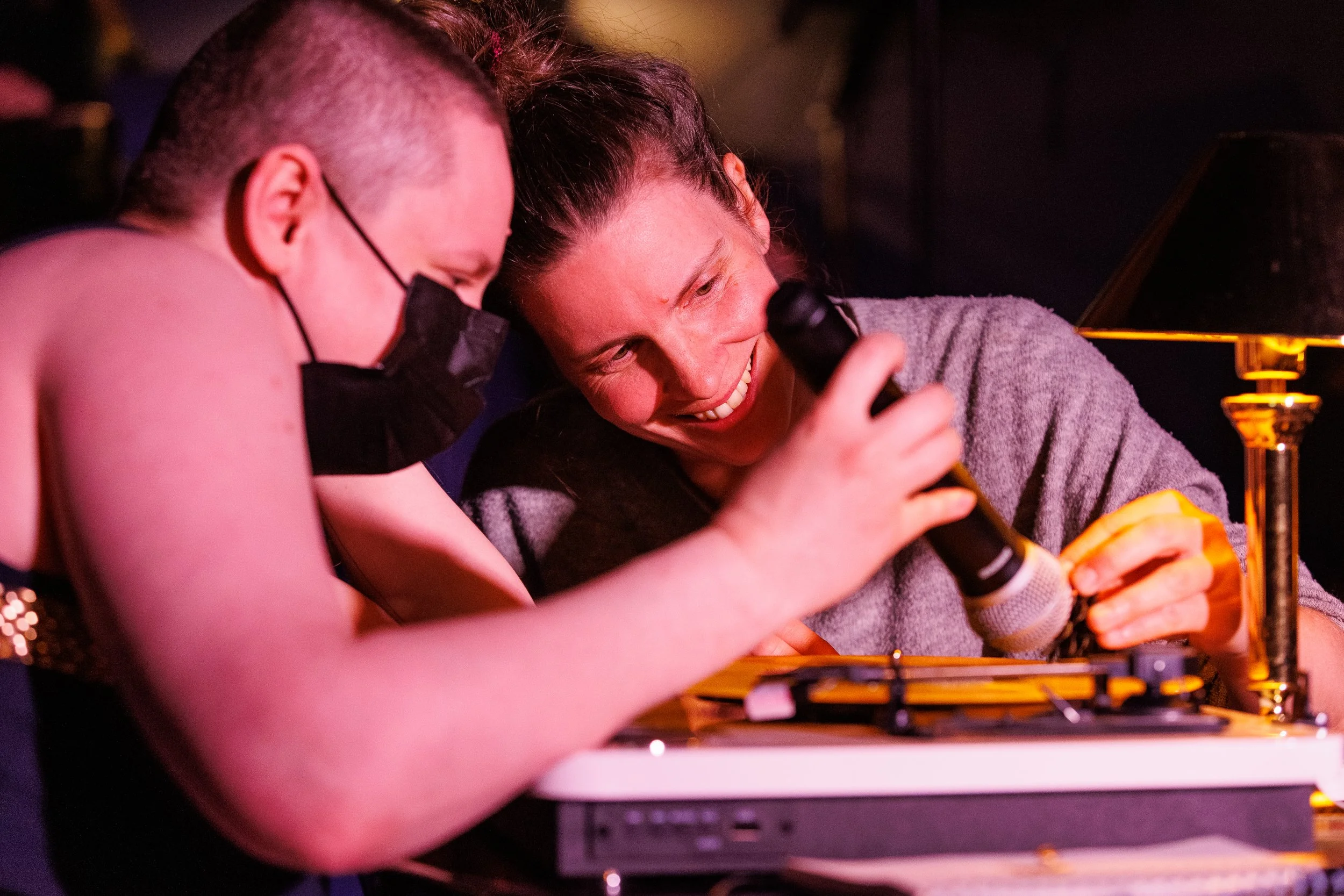
Katerina Dementeva. "She’s Not as Enlightened as You" Photo by Kaspars Zborovskis
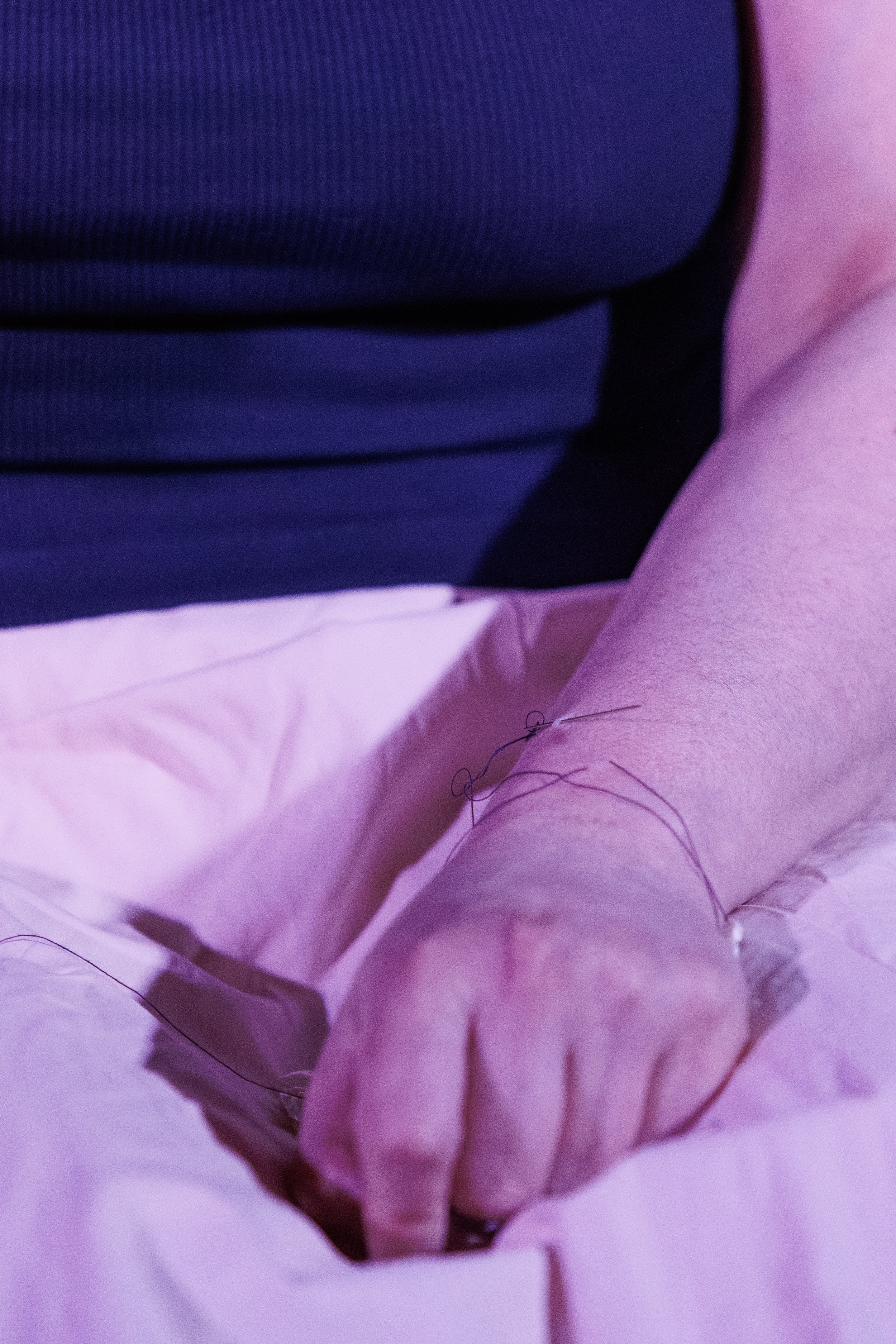
Katerina Dementeva. "She’s Not as Enlightened as You" Photo by Kaspars Zborovskis
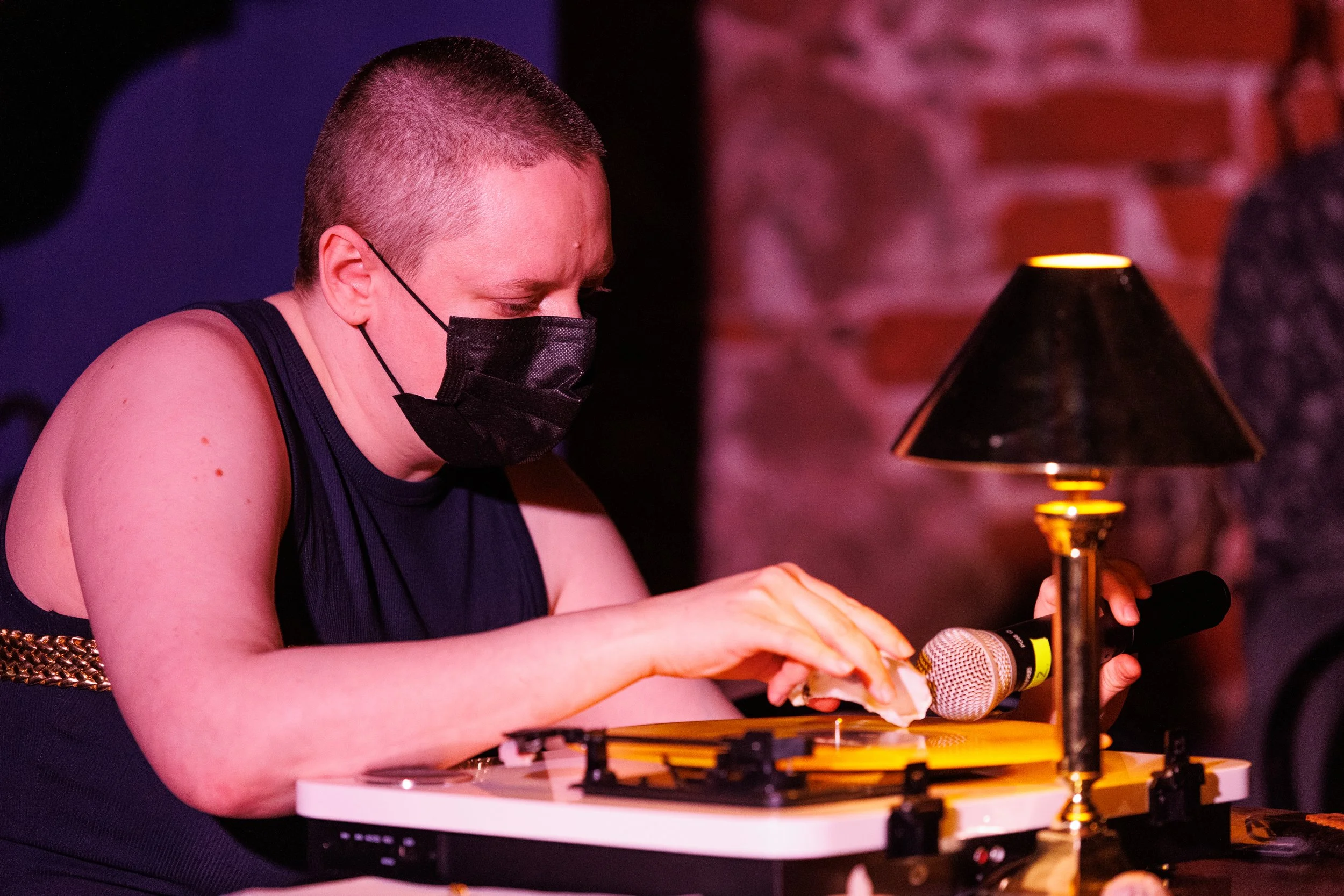
Katerina Dementeva. "She’s Not as Enlightened as You" Photo by Kaspars Zborovskis
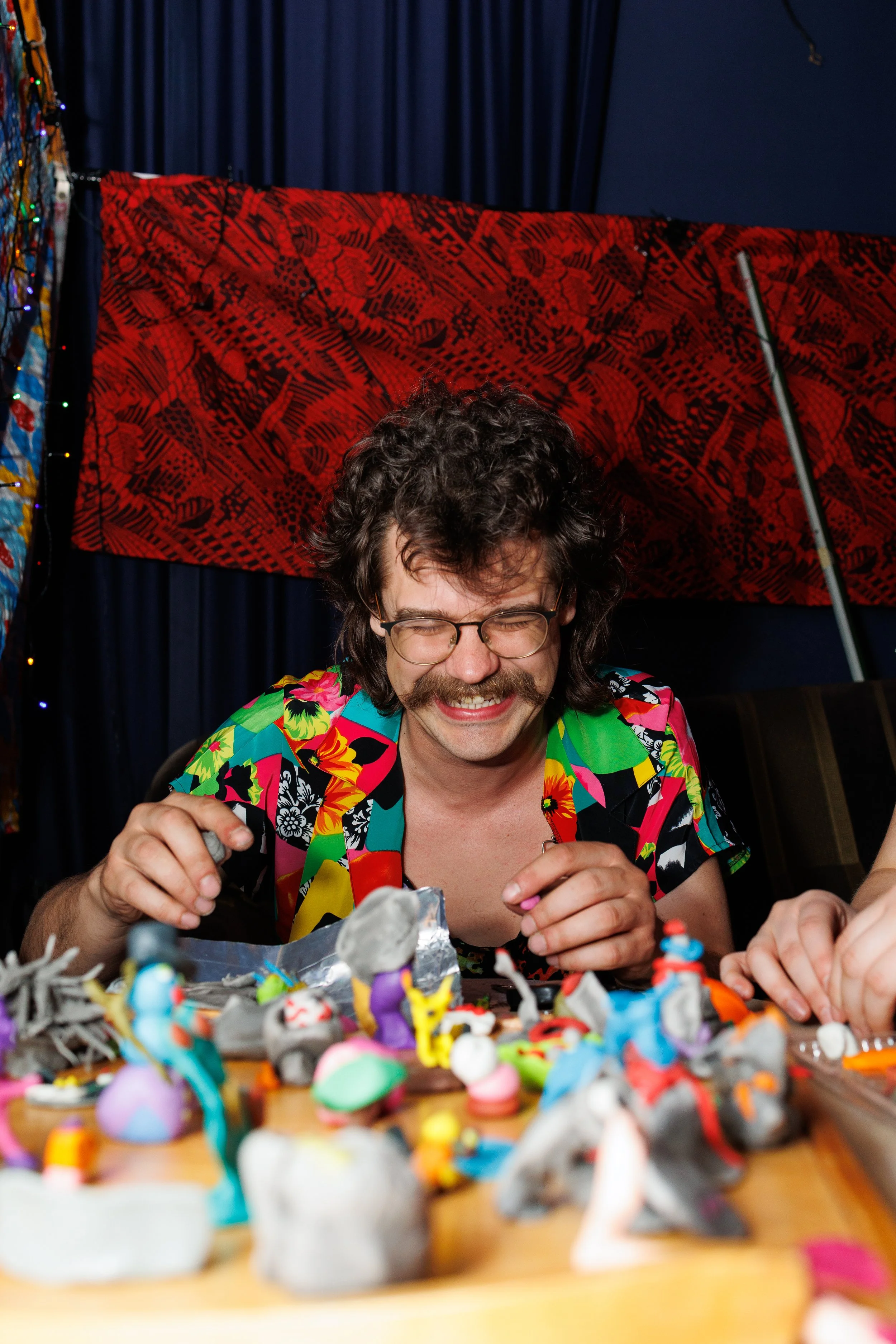
Niks Bērziņš. "Social Butterfly" Photo by Kaspars Zborovskis
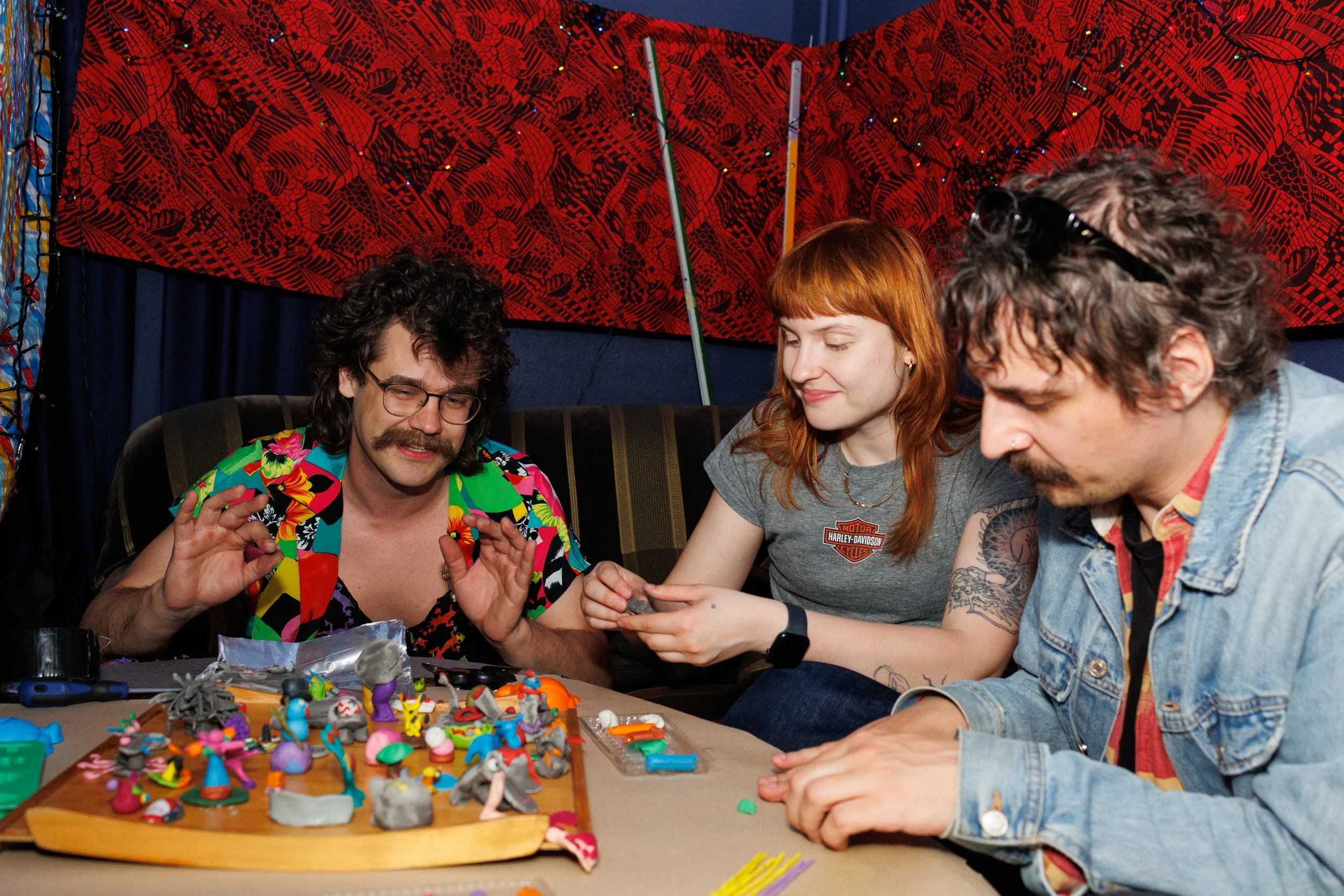
Niks Bērziņš. "Social Butterfly" Photo by Kaspars Zborovskis
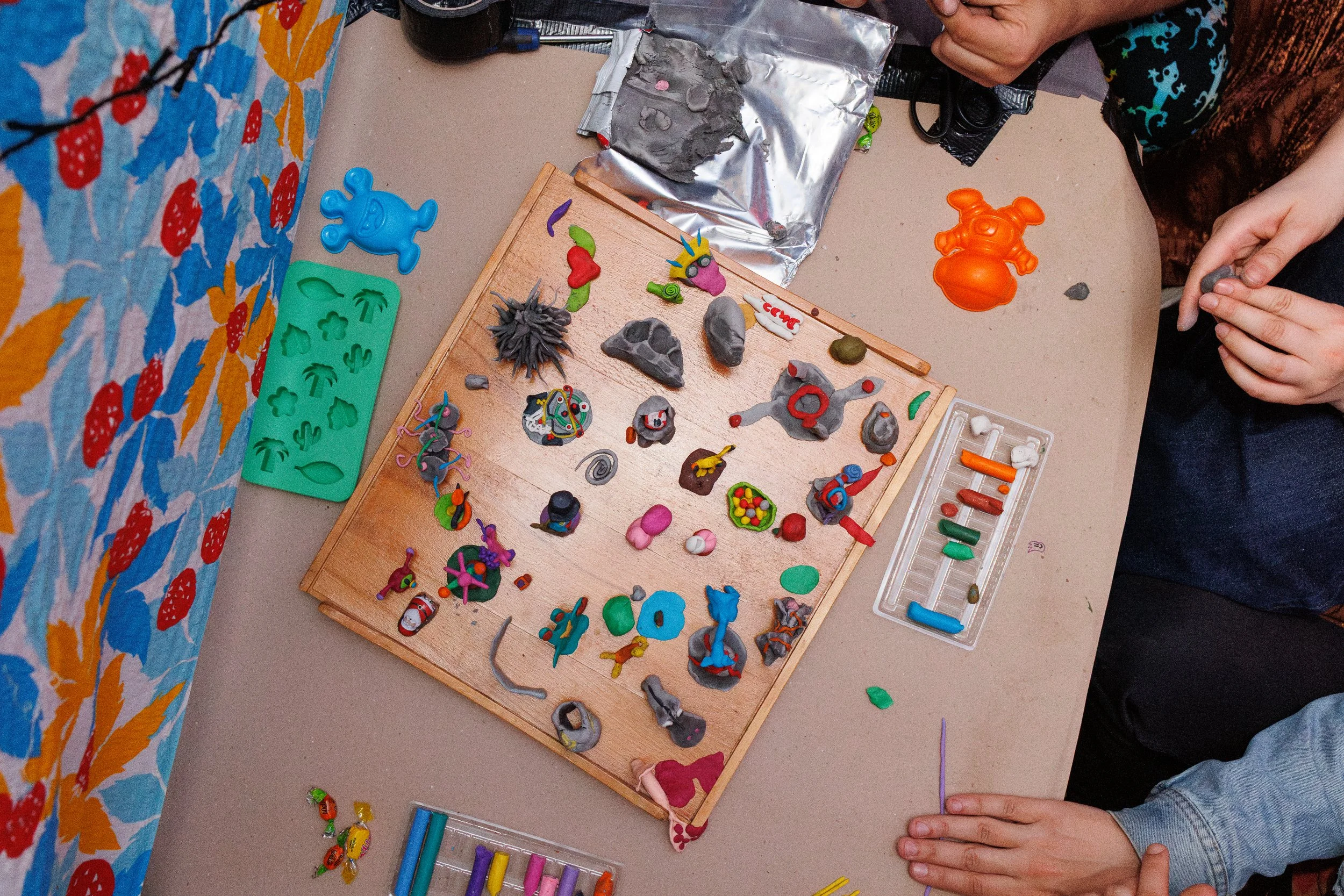
Niks Bērziņš. "Social Butterfly" Photo by Kaspars Zborovskis
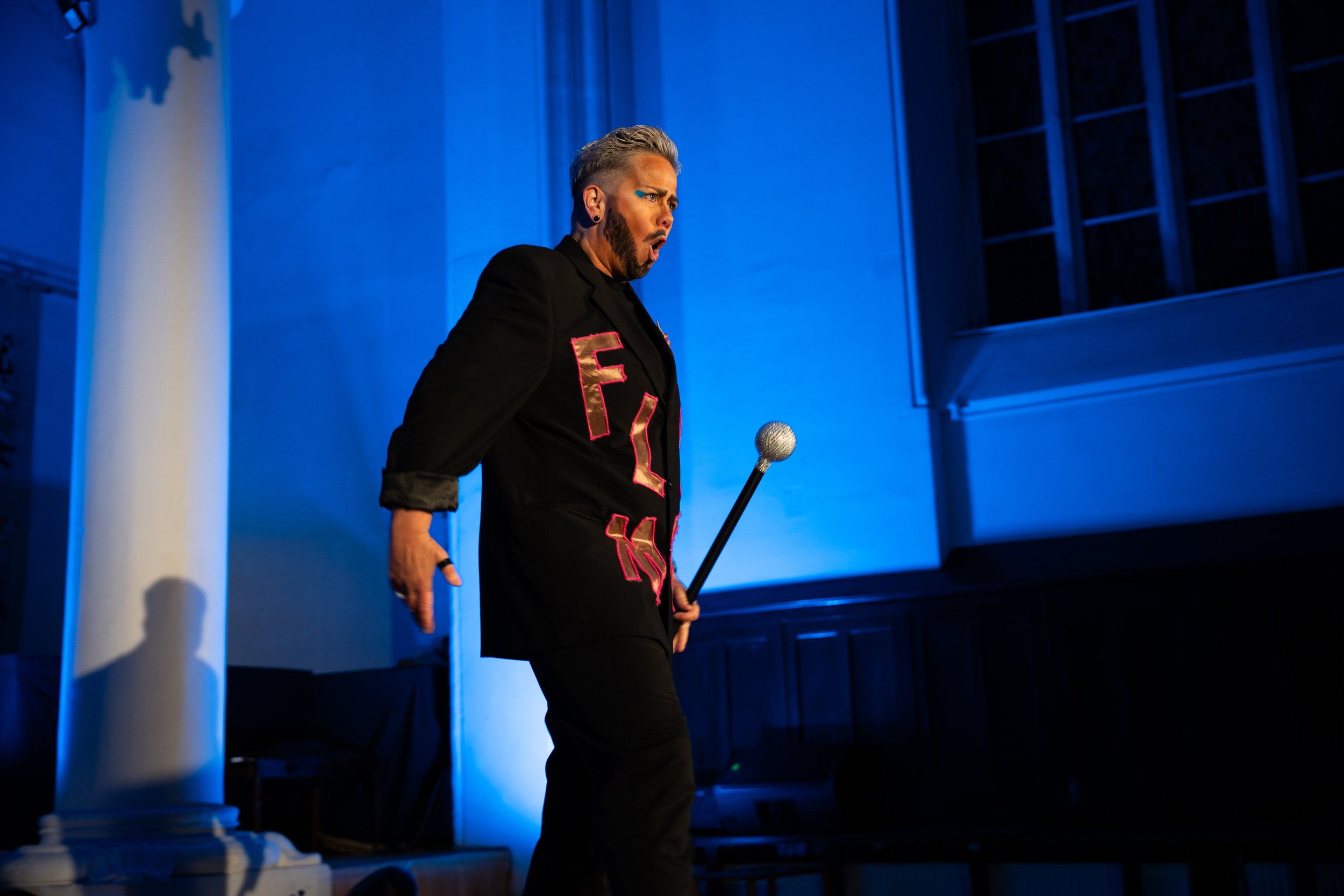
Flame Boyanze. "The Moment" Photo by Anna Maskava
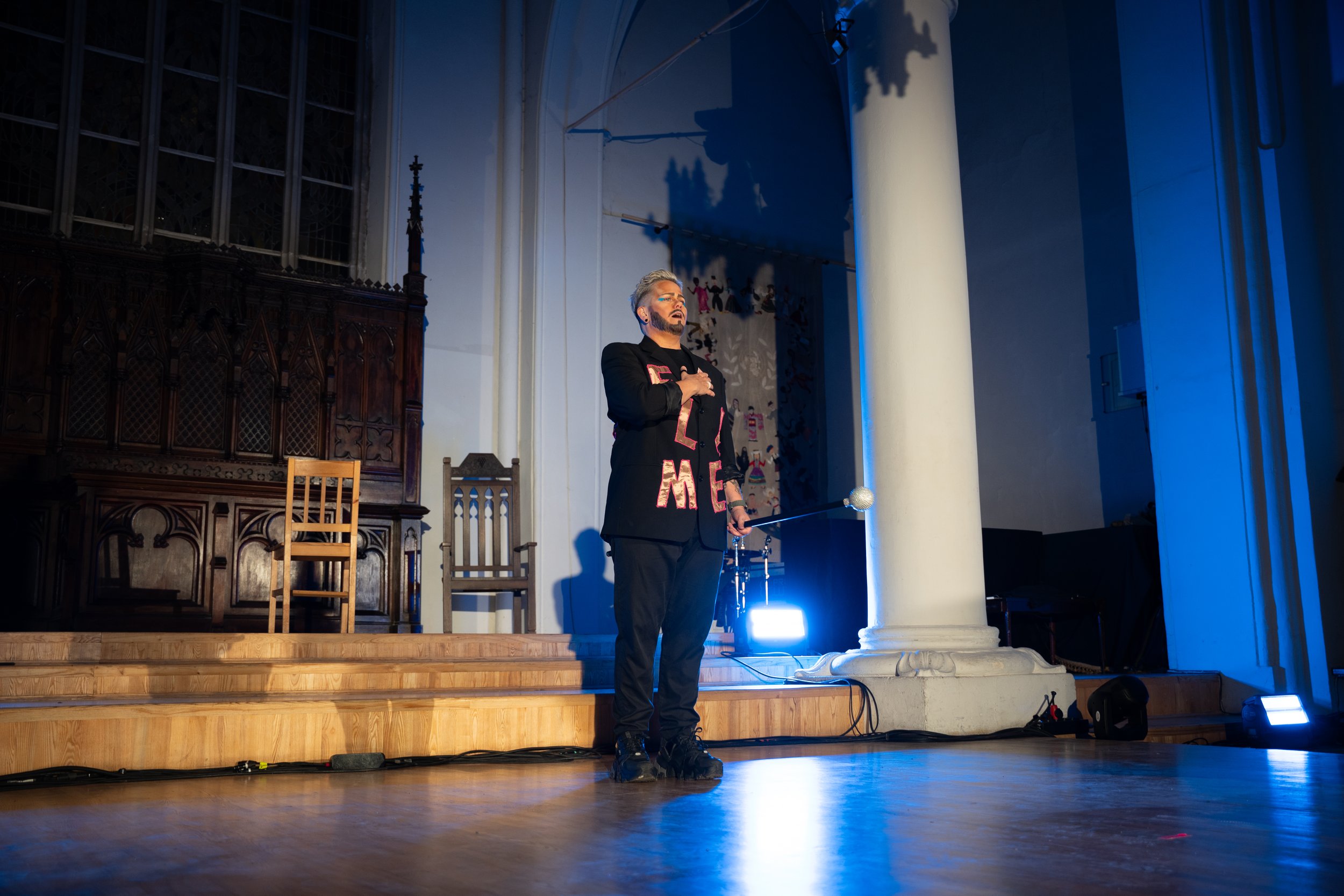
Flame Boyanze. "The Moment" Photo by Anna Maskava
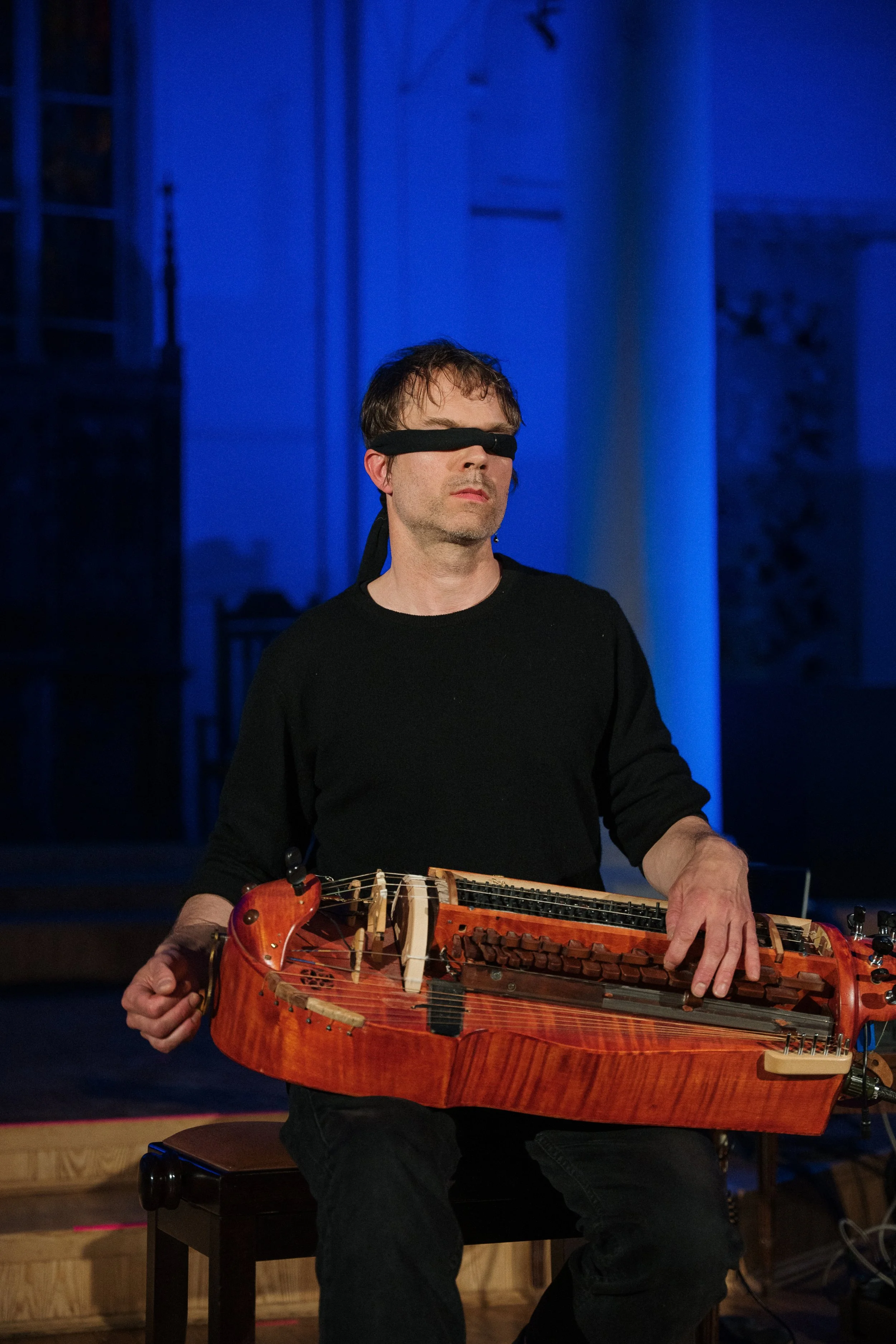
Hur Hur. "Instrument for the Blind" Photo by Anna Maskava
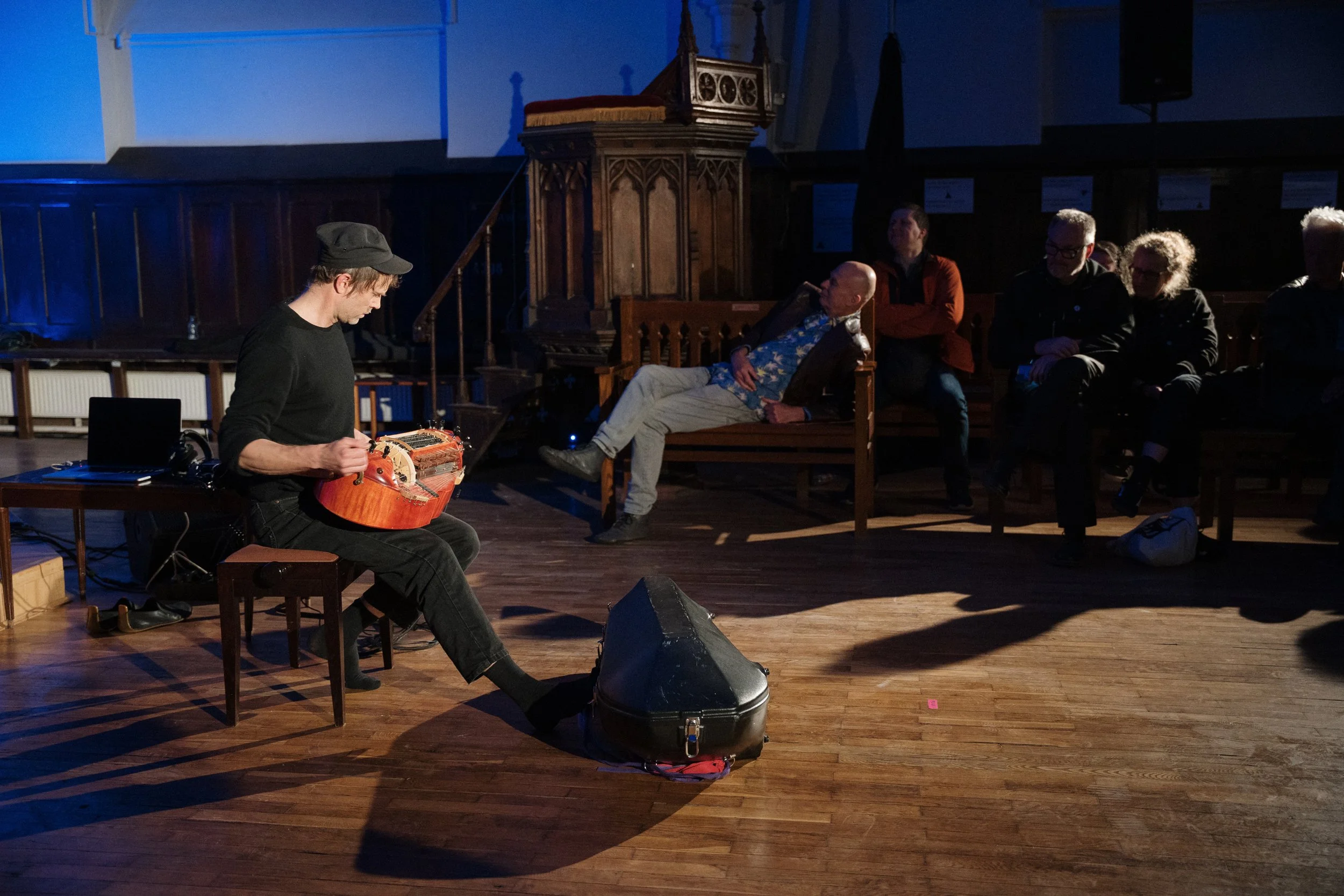
Hur Hur. "Instrument for the Blind" Photo by Anna Maskava
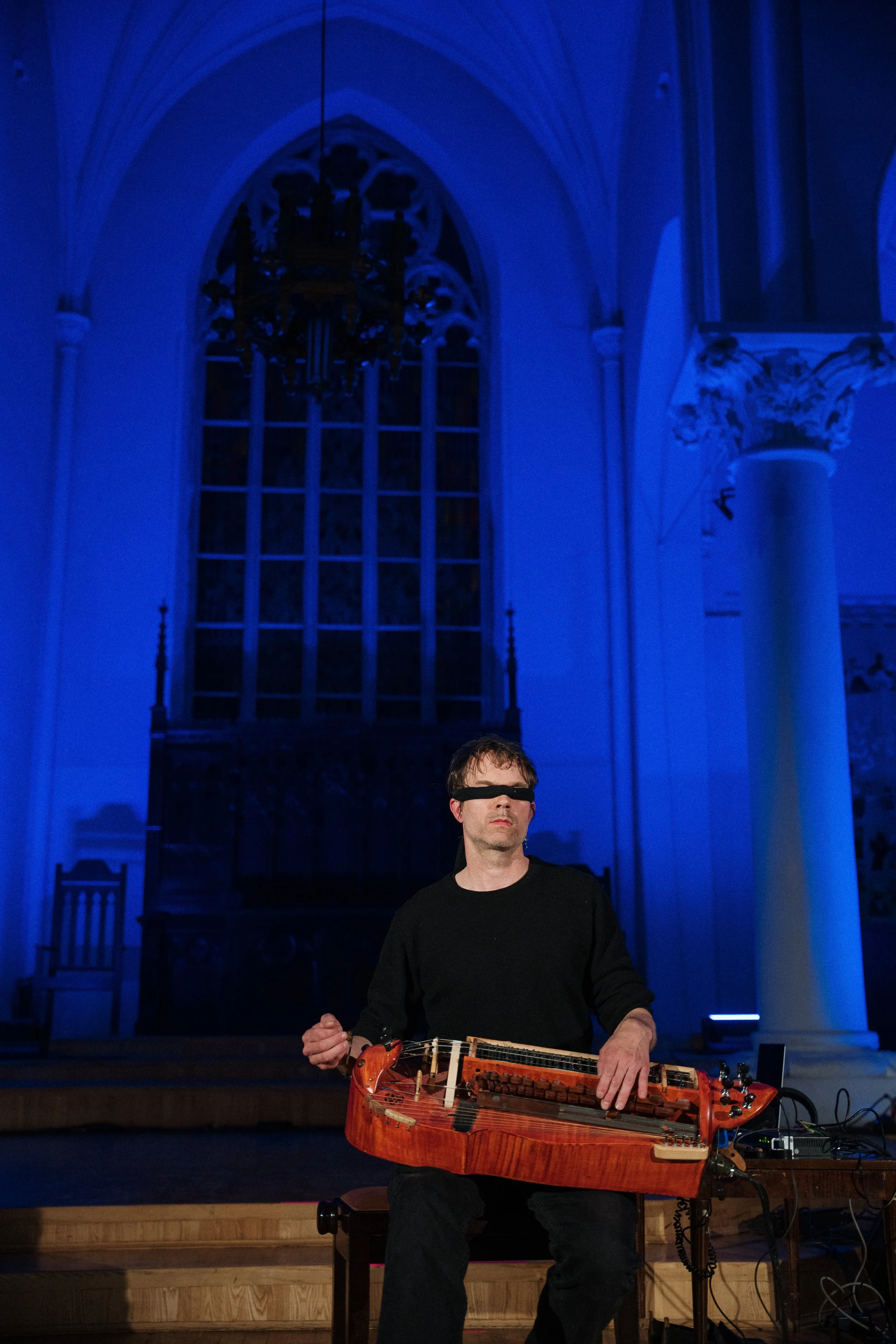
Hur Hur. "Instrument for the Blind" Photo by Anna Maskava
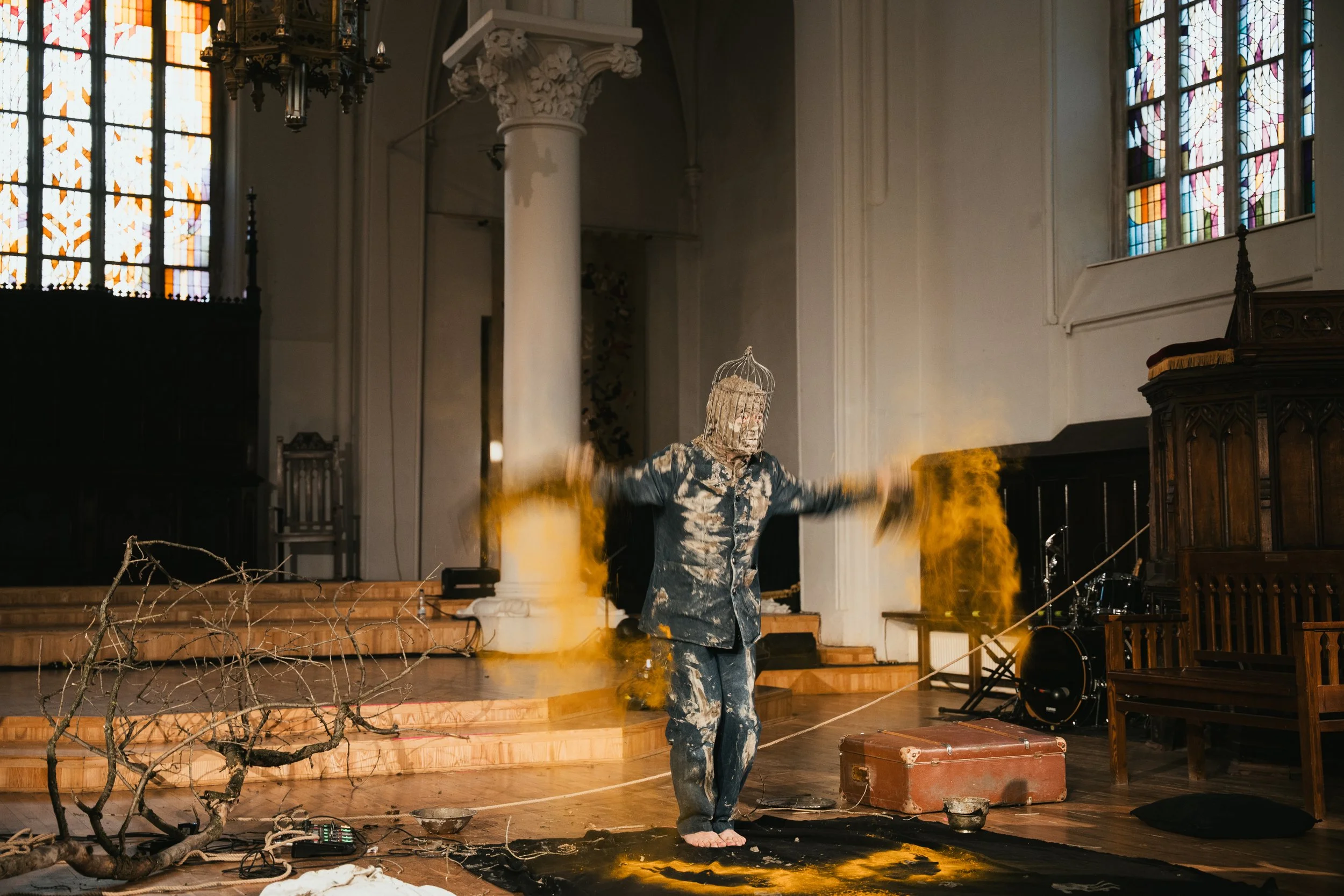
Gustaf Broms. "OSMOSIS PT 1" Photo by Anna Maskava
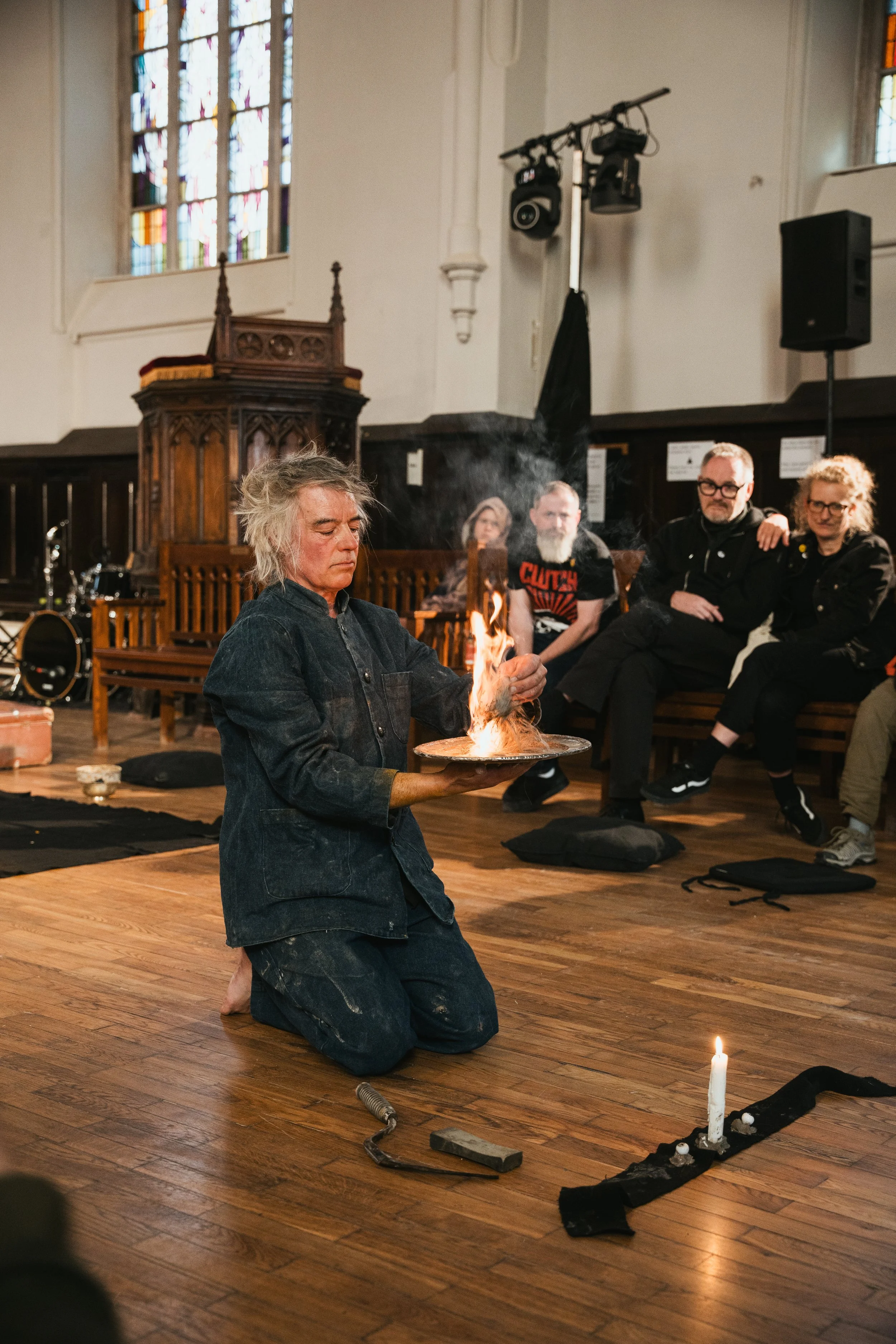
Gustaf Broms. "OSMOSIS PT 1" Photo by Anna Maskava
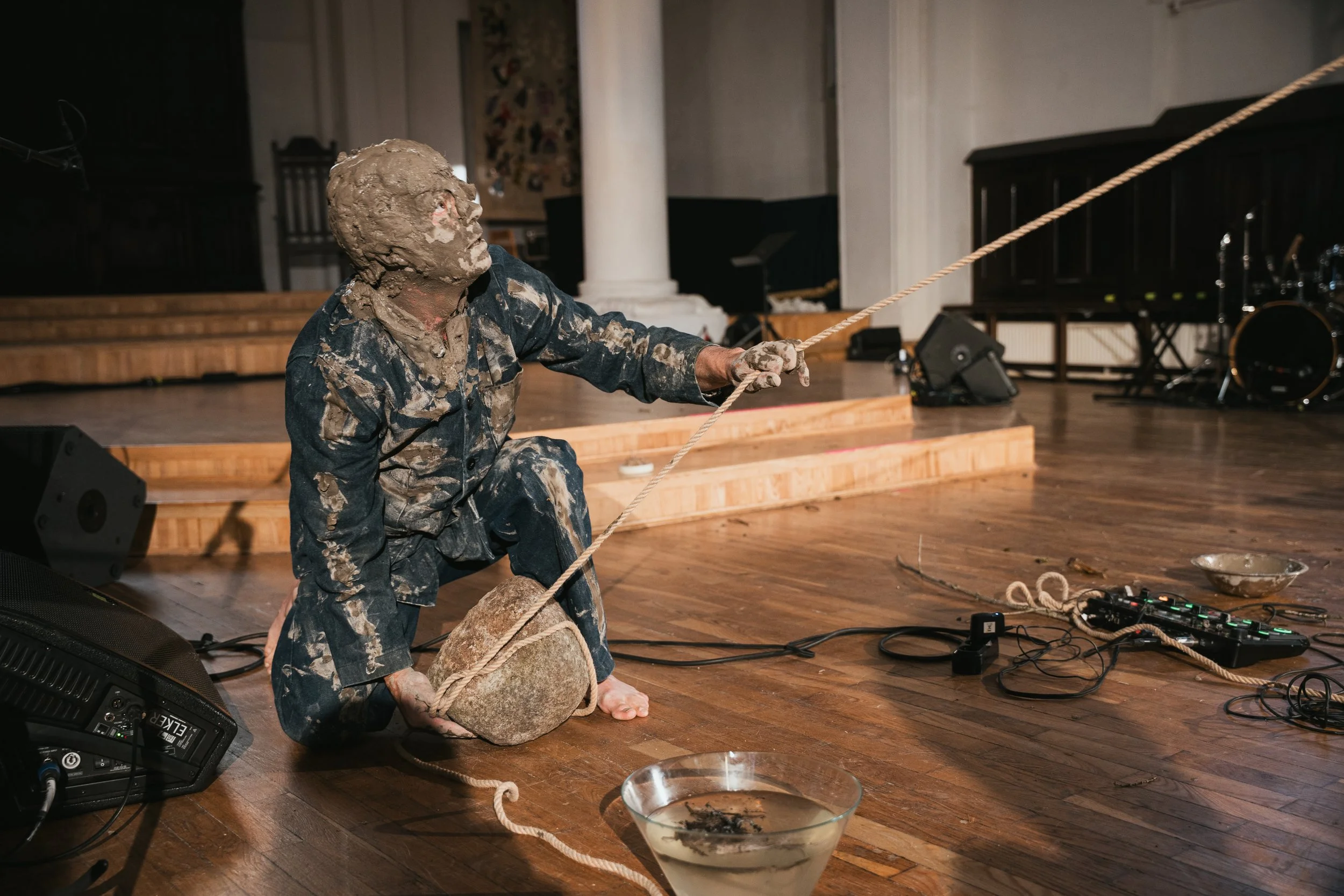
Gustaf Broms. "OSMOSIS PT 1" Photo by Anna Maskava
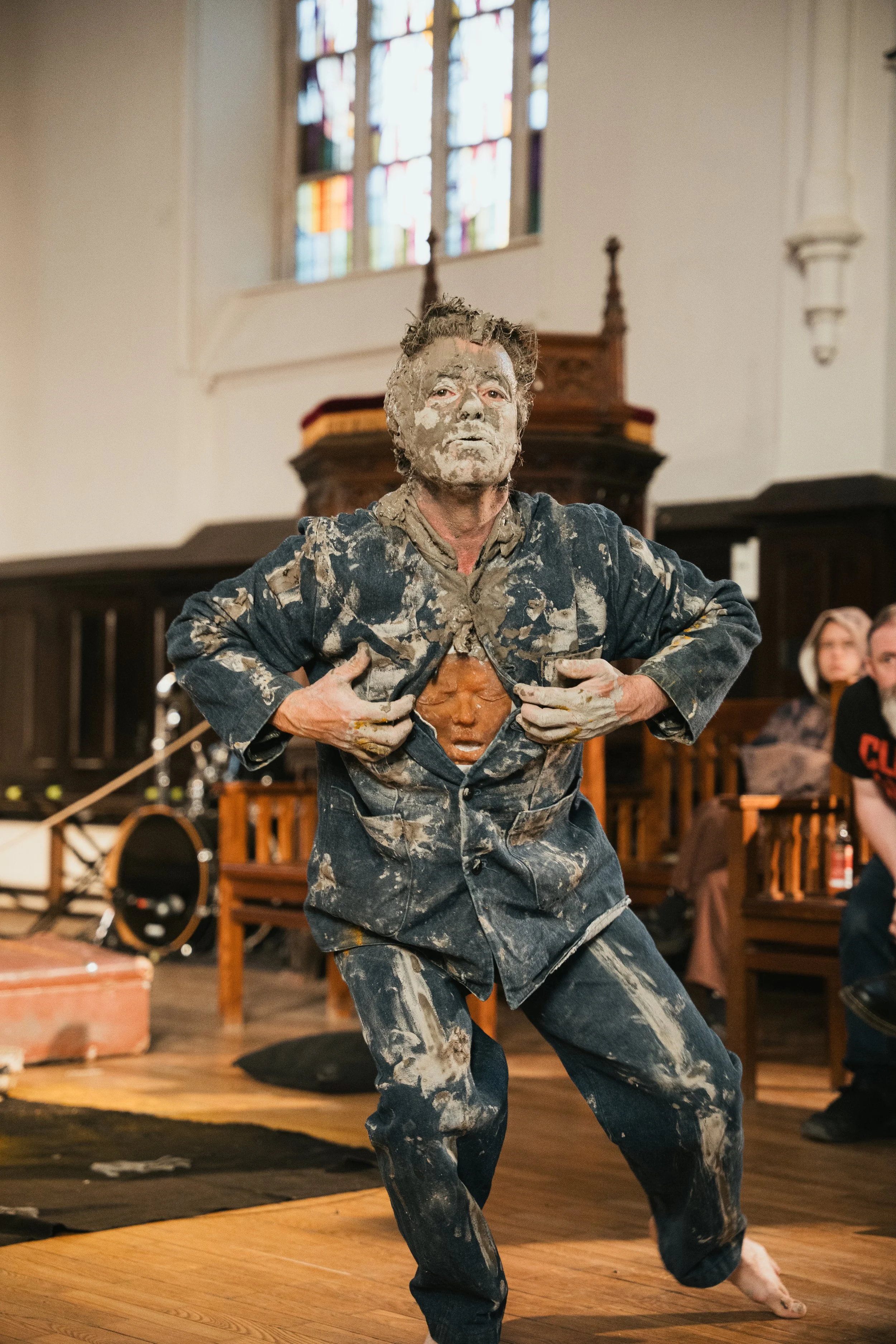
Gustaf Broms. "OSMOSIS PT 1" Photo by Anna Maskava
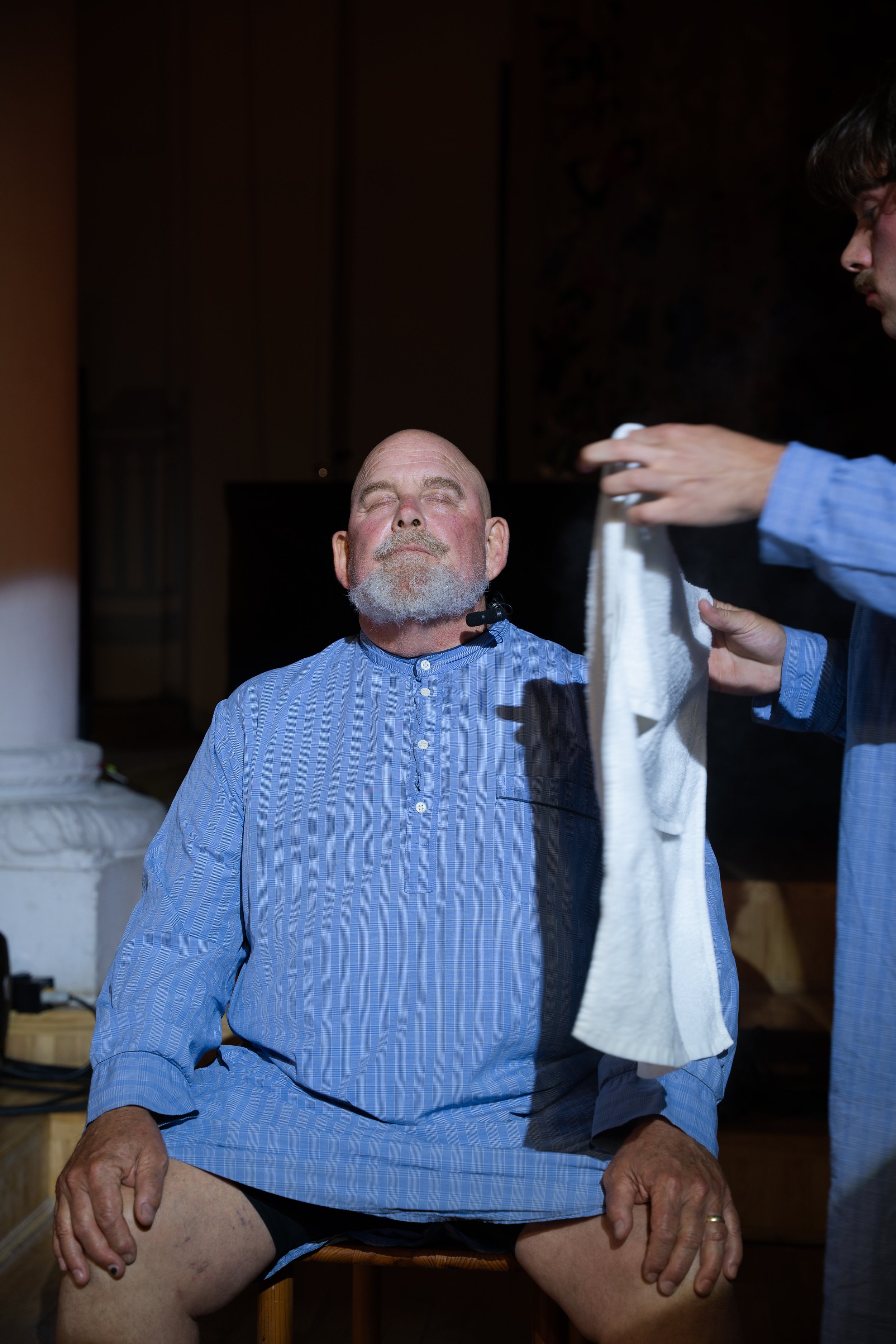
John Boehme. "The New Hermit" Photo by Anna Maskava
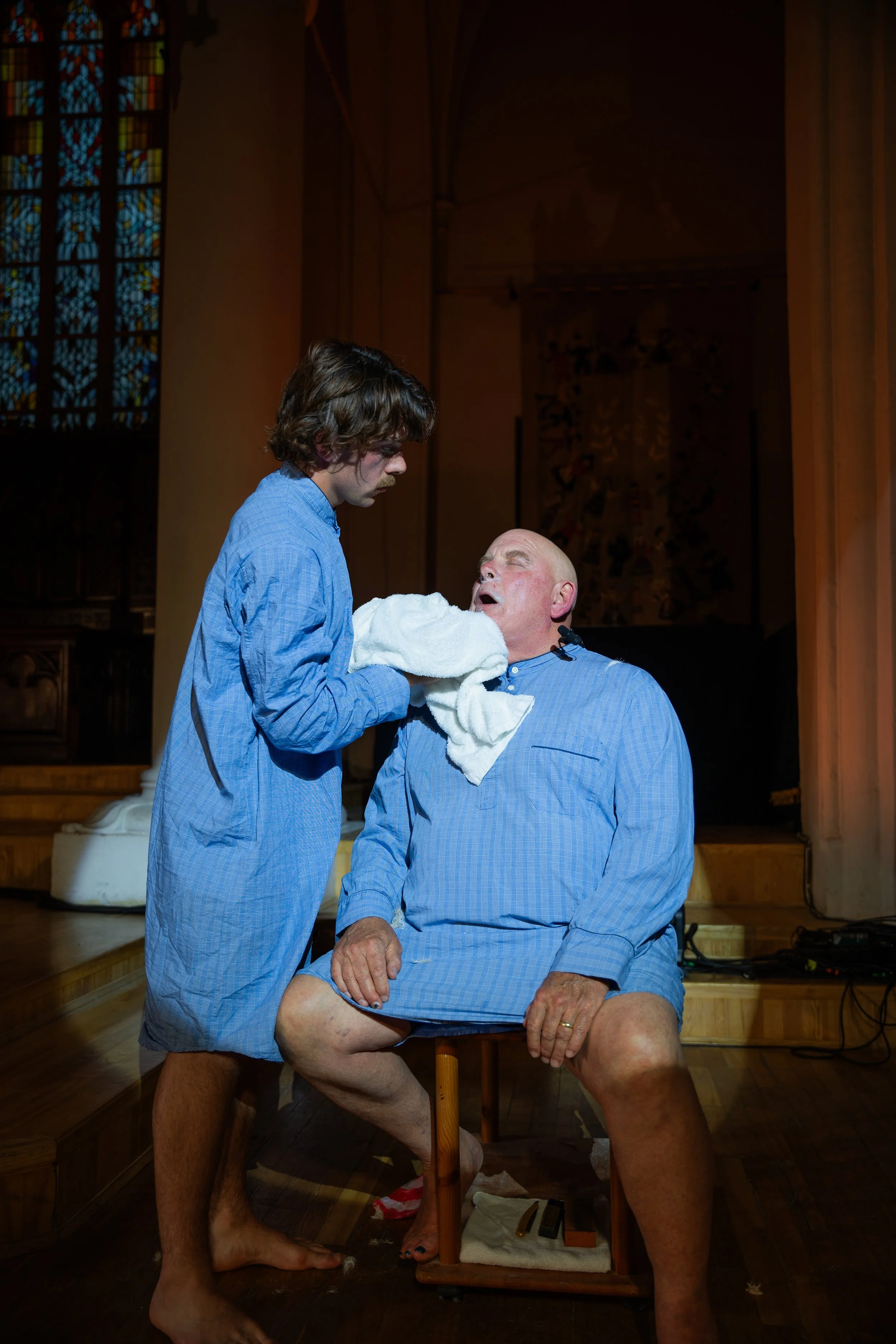
John Boehme. "The New Hermit" Photo by Anna Maskava
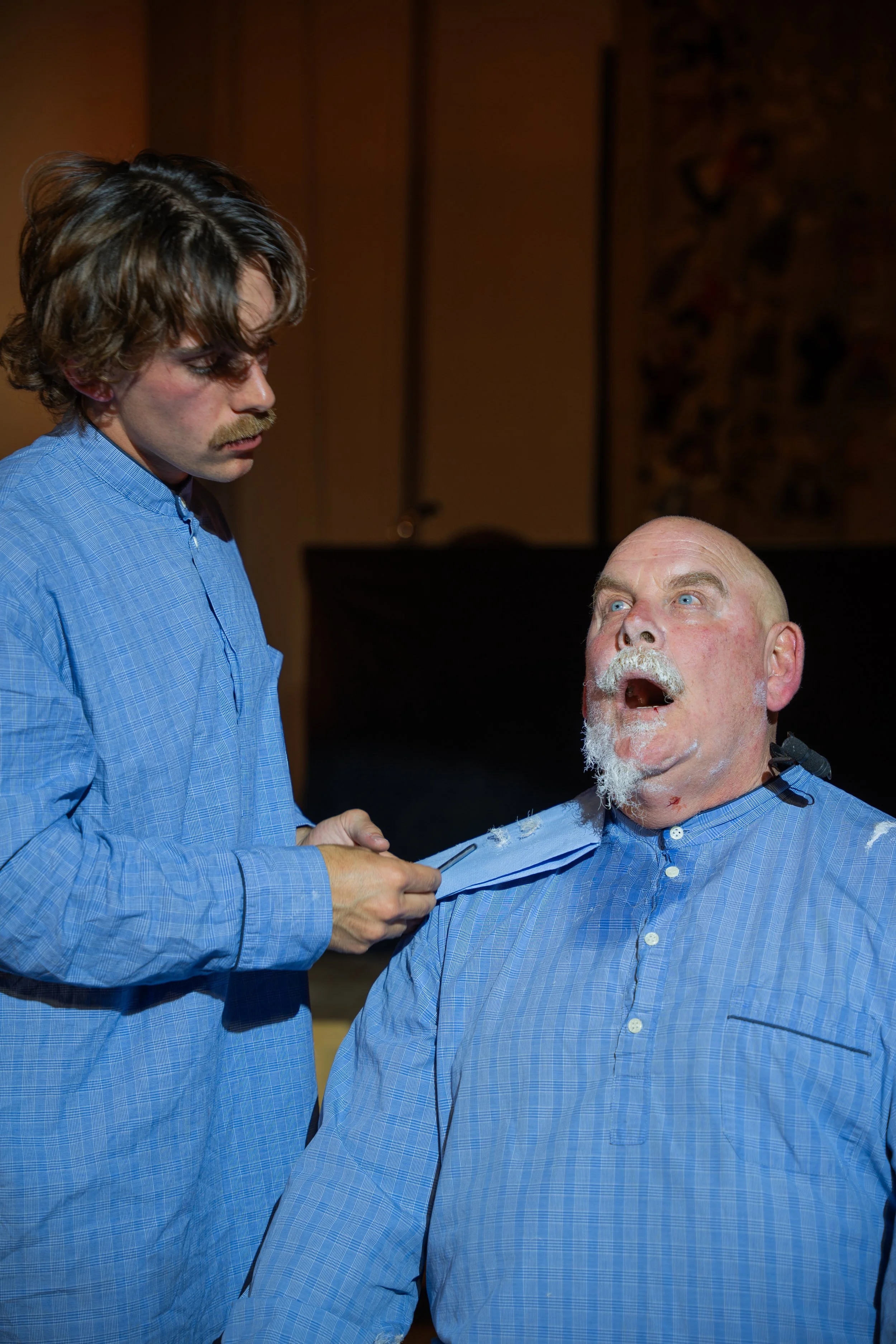
John Boehme. "The New Hermit" Photo by Anna Maskava
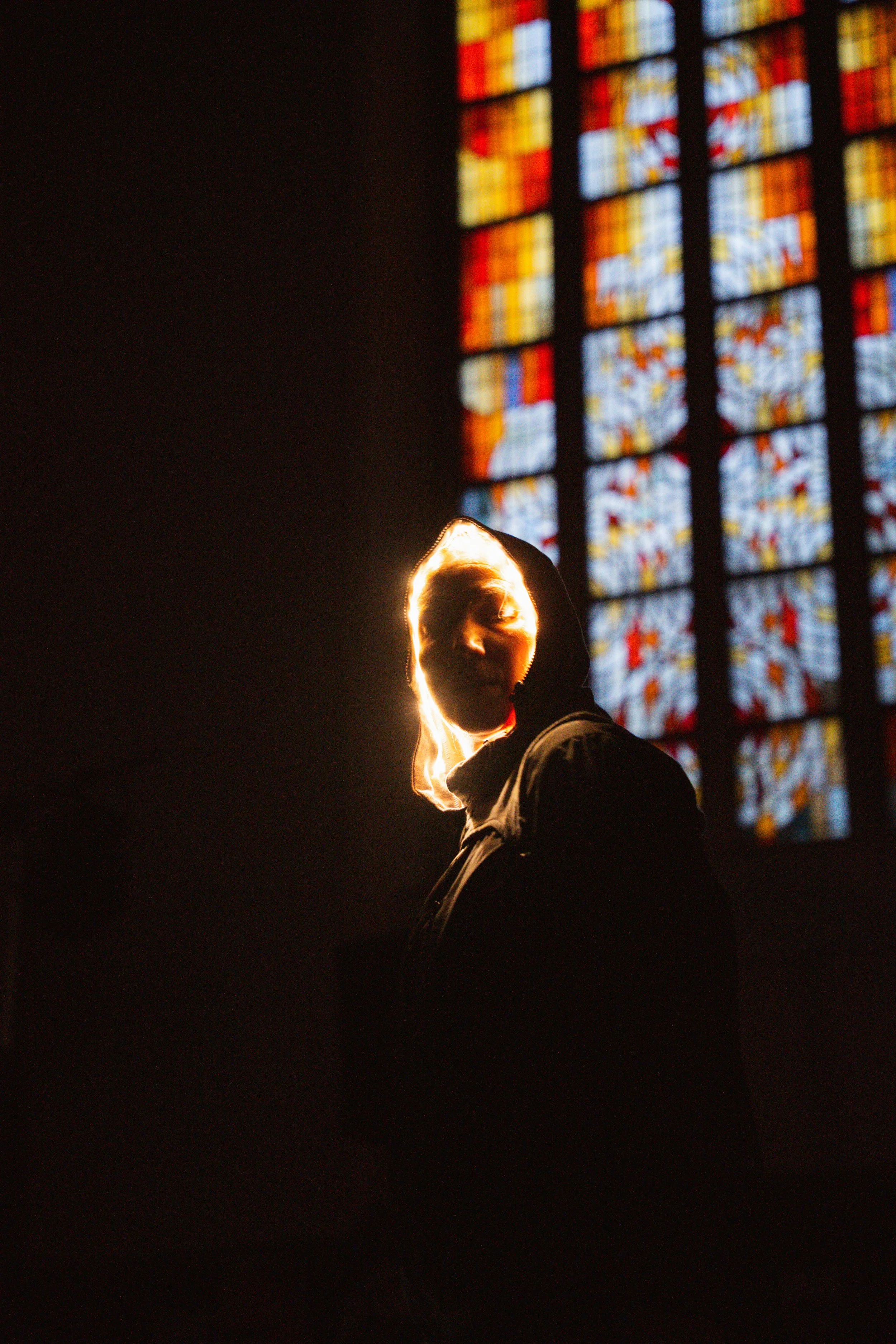
Stephanie Felber. "What Persists Between Breaths" Photo by Anna Maskava
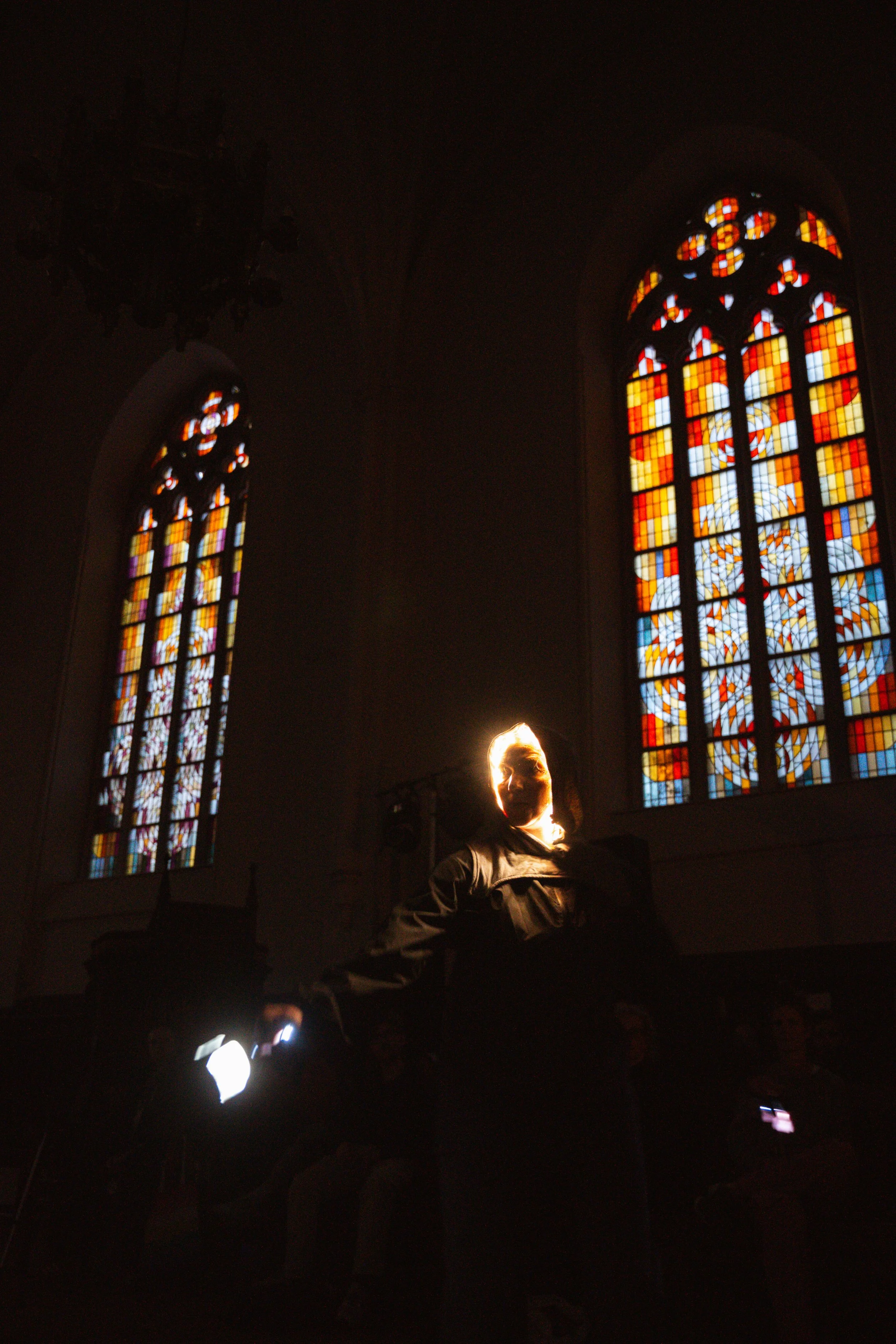
Stephanie Felber. "What Persists Between Breaths" Photo by Anna Maskava
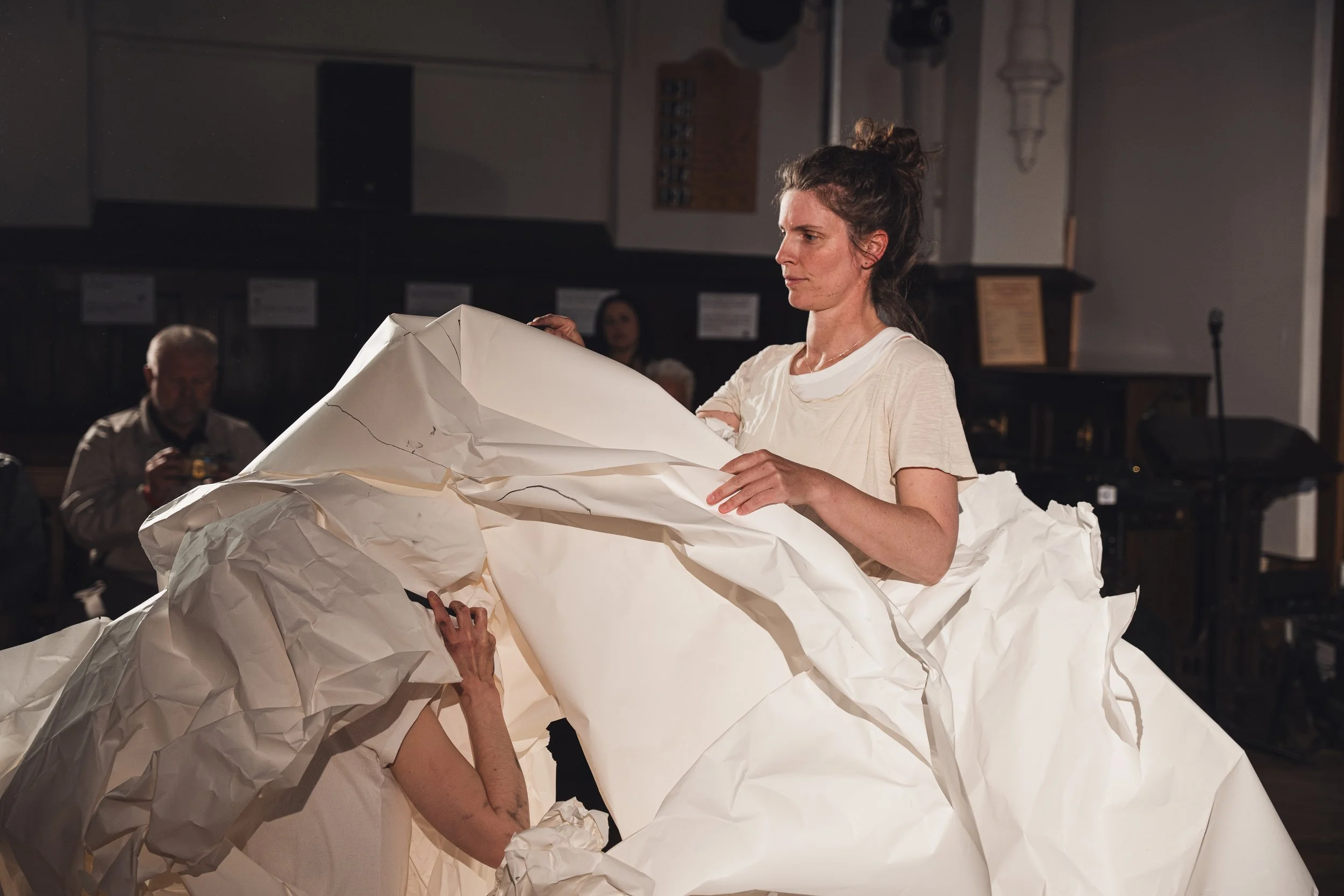
Maria Pääkkönen & Ingeborg Andersskog. "Undraw" Photo by Anna Maskava
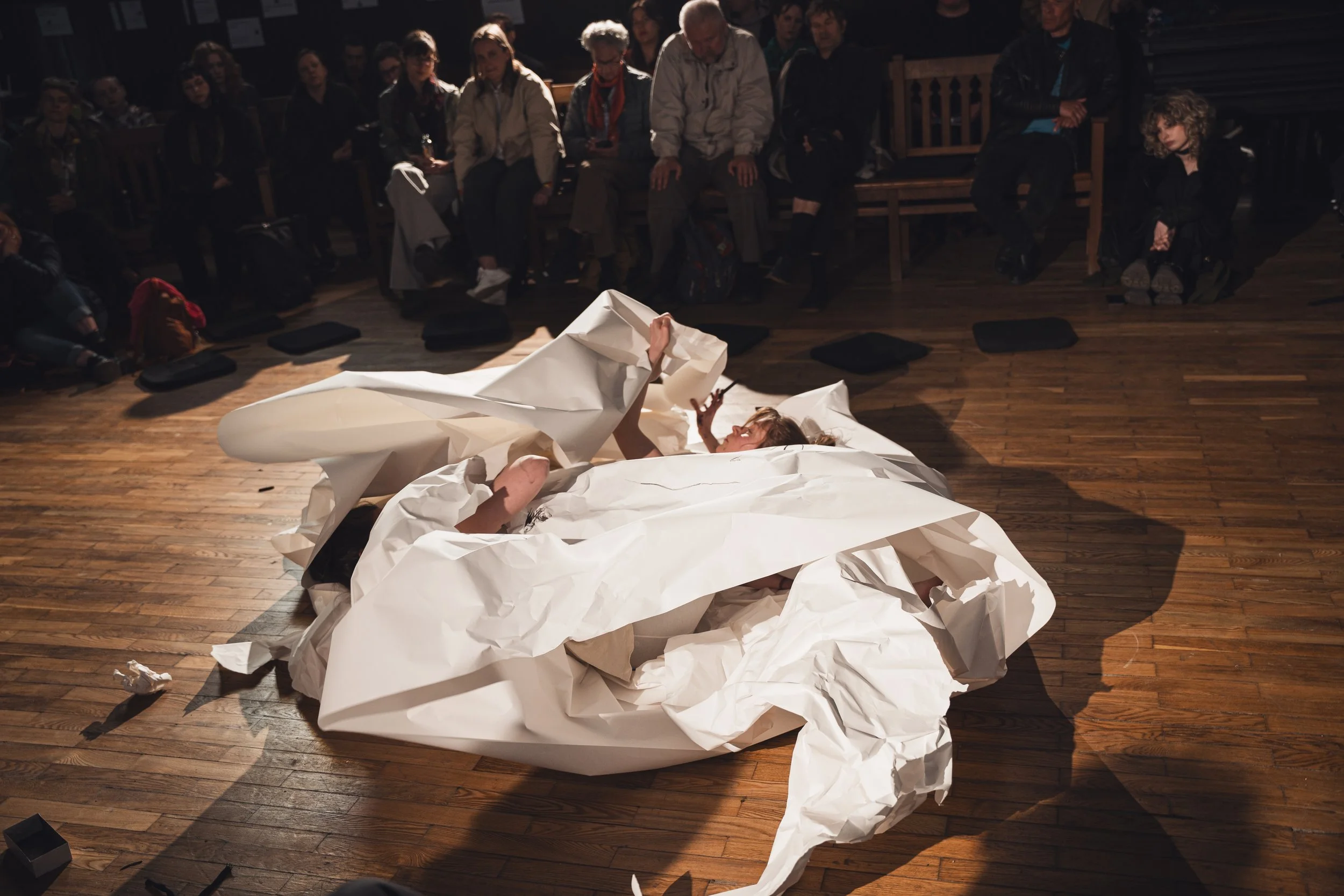
Maria Pääkkönen & Ingeborg Andersskog. "Undraw" Photo by Anna Maskava
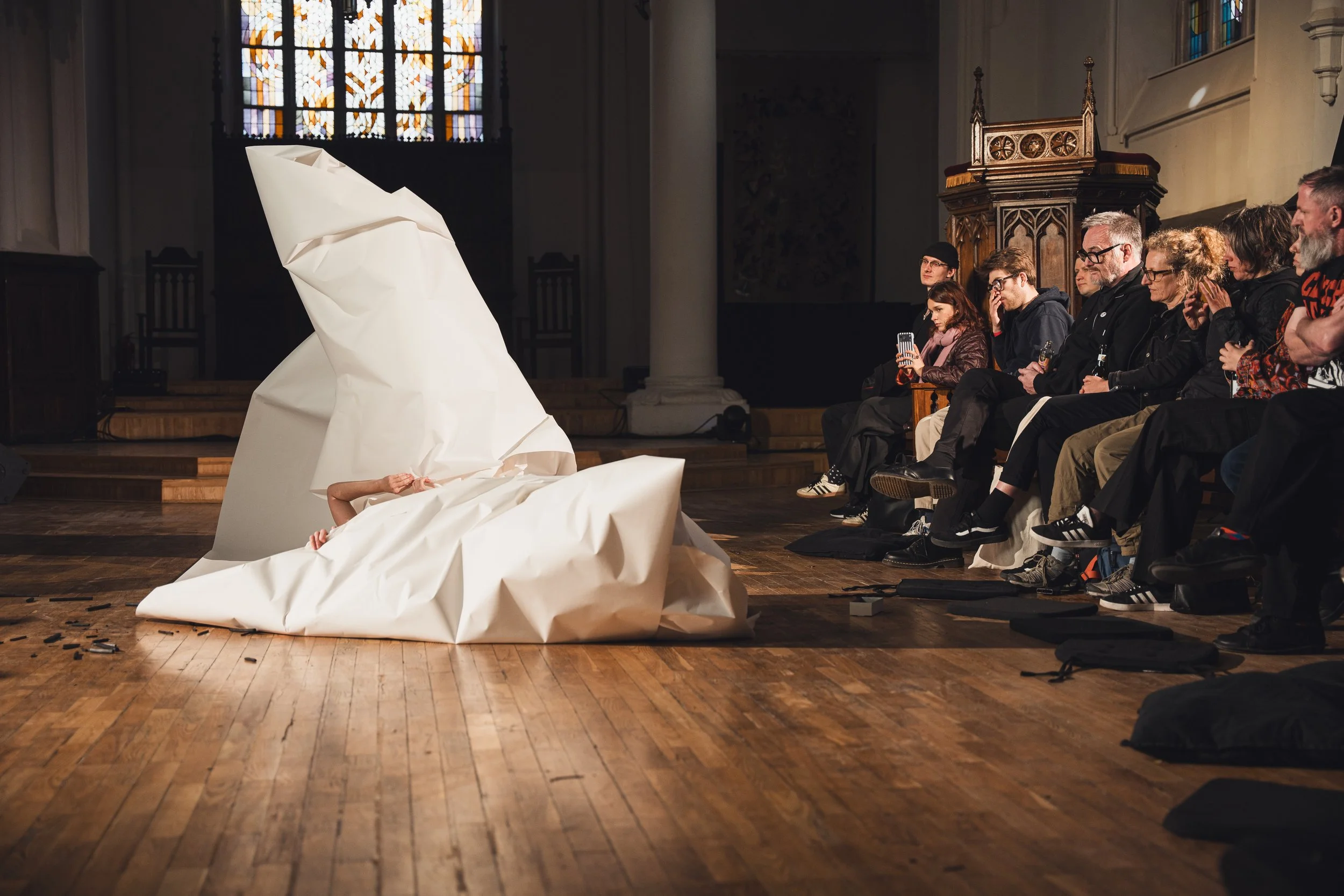
Maria Pääkkönen & Ingeborg Andersskog. "Undraw" Photo by Anna Maskava
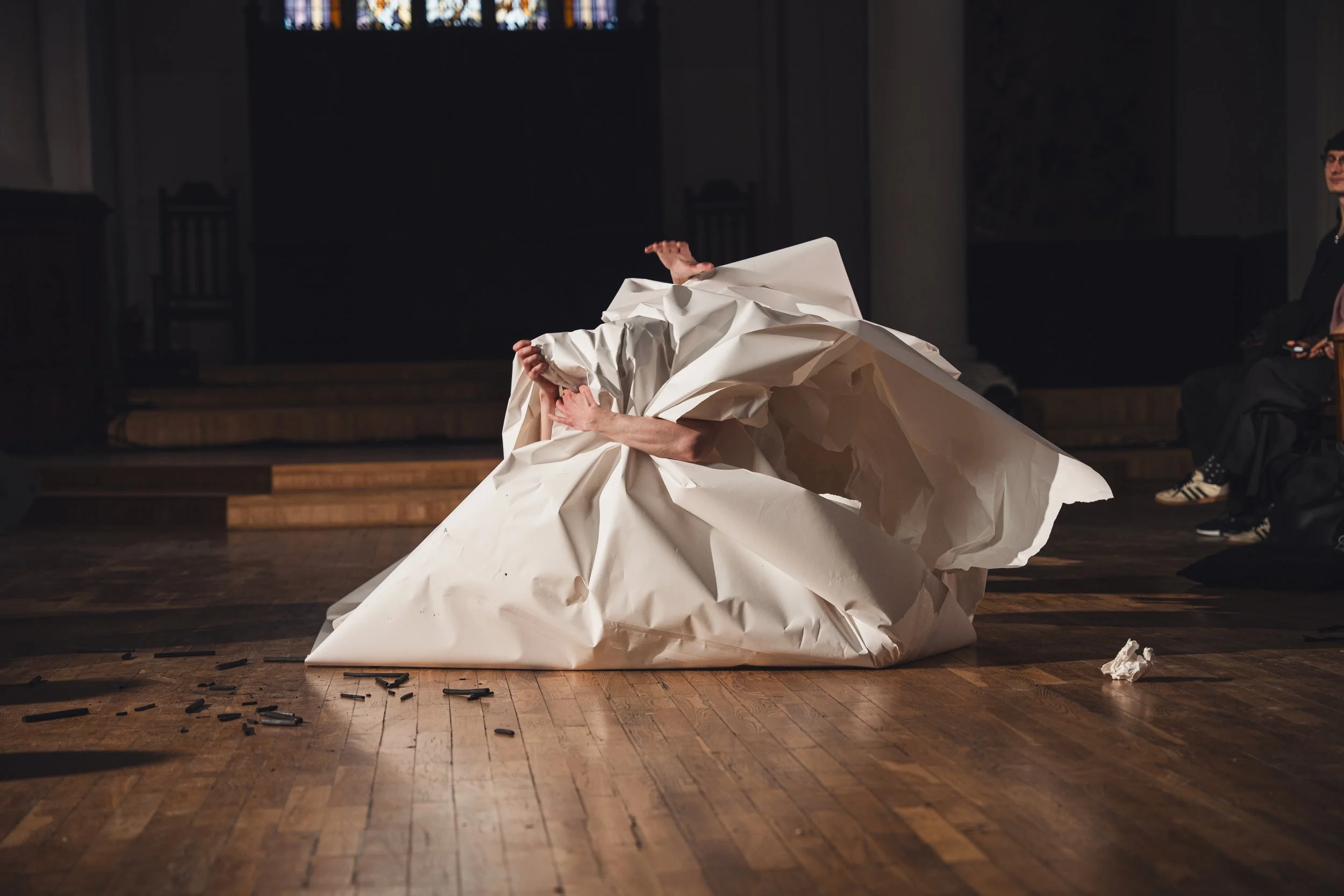
Maria Pääkkönen & Ingeborg Andersskog. "Undraw" Photo by Anna Maskava
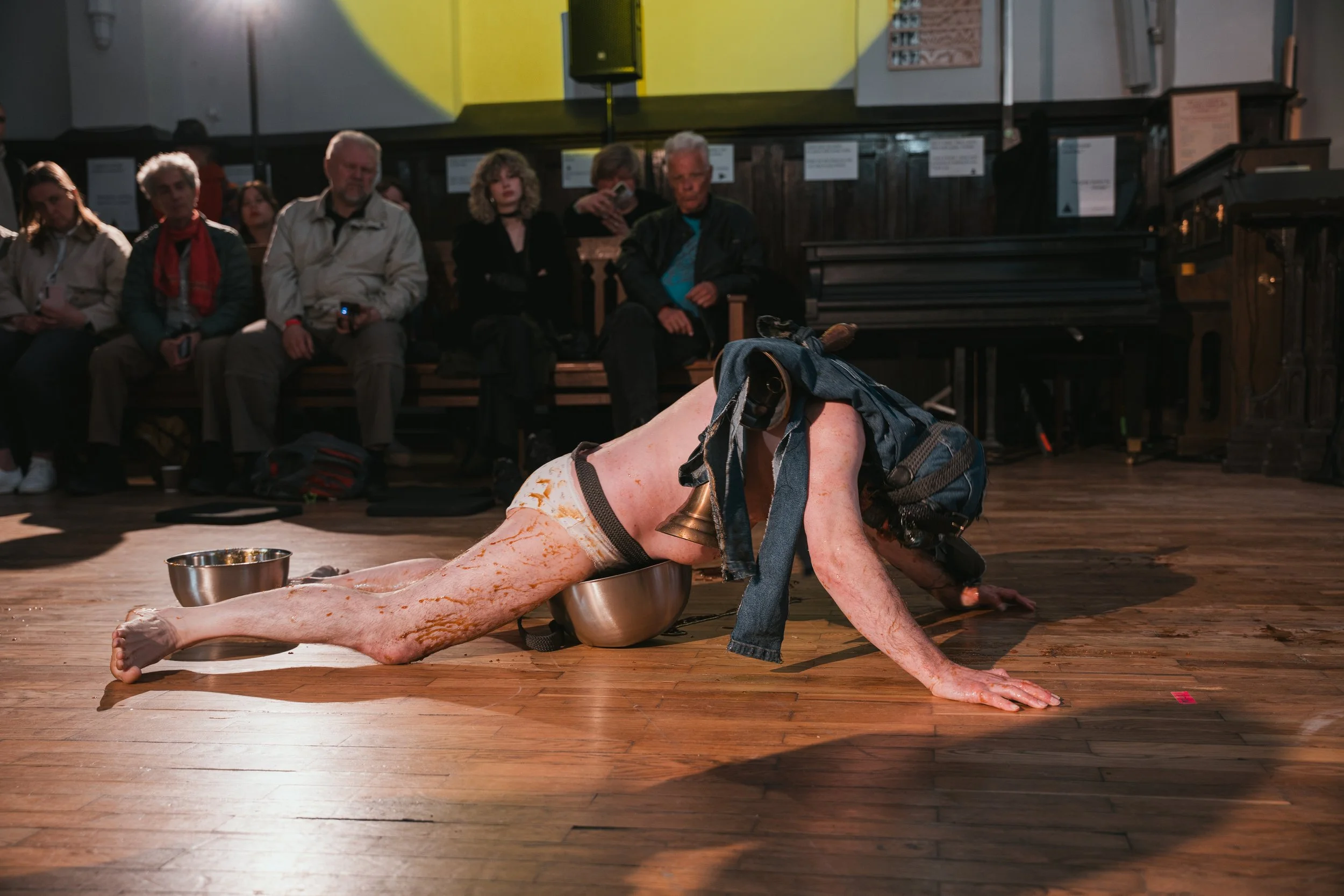
Rocky Meaney. "The Divinity Bells & the Archaic Artefact" Photo by Anna Maskava
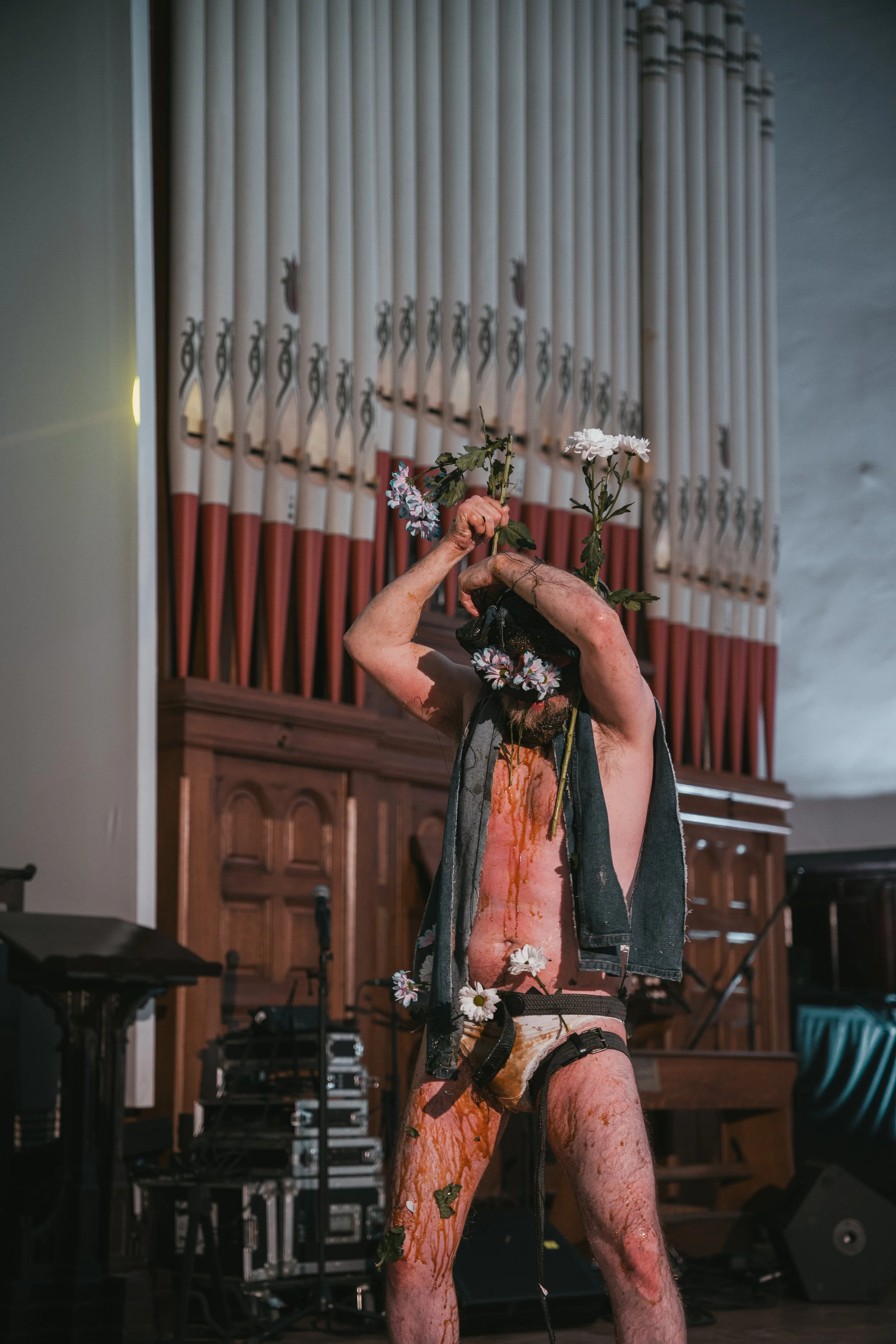
Rocky Meaney. "The Divinity Bells & the Archaic Artefact" Photo by Anna Maskava
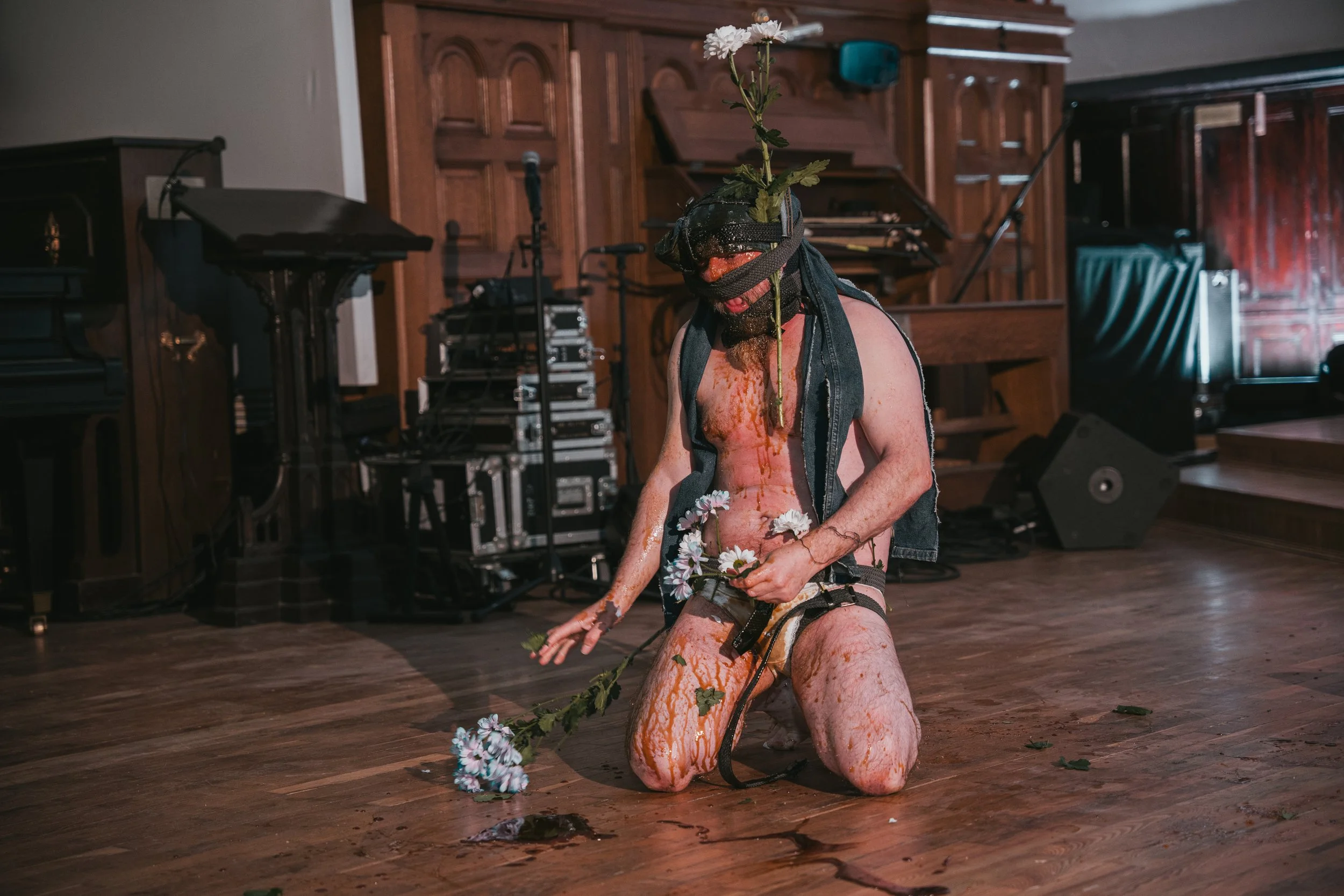
Rocky Meaney. "The Divinity Bells & the Archaic Artefact" Photo by Anna Maskava
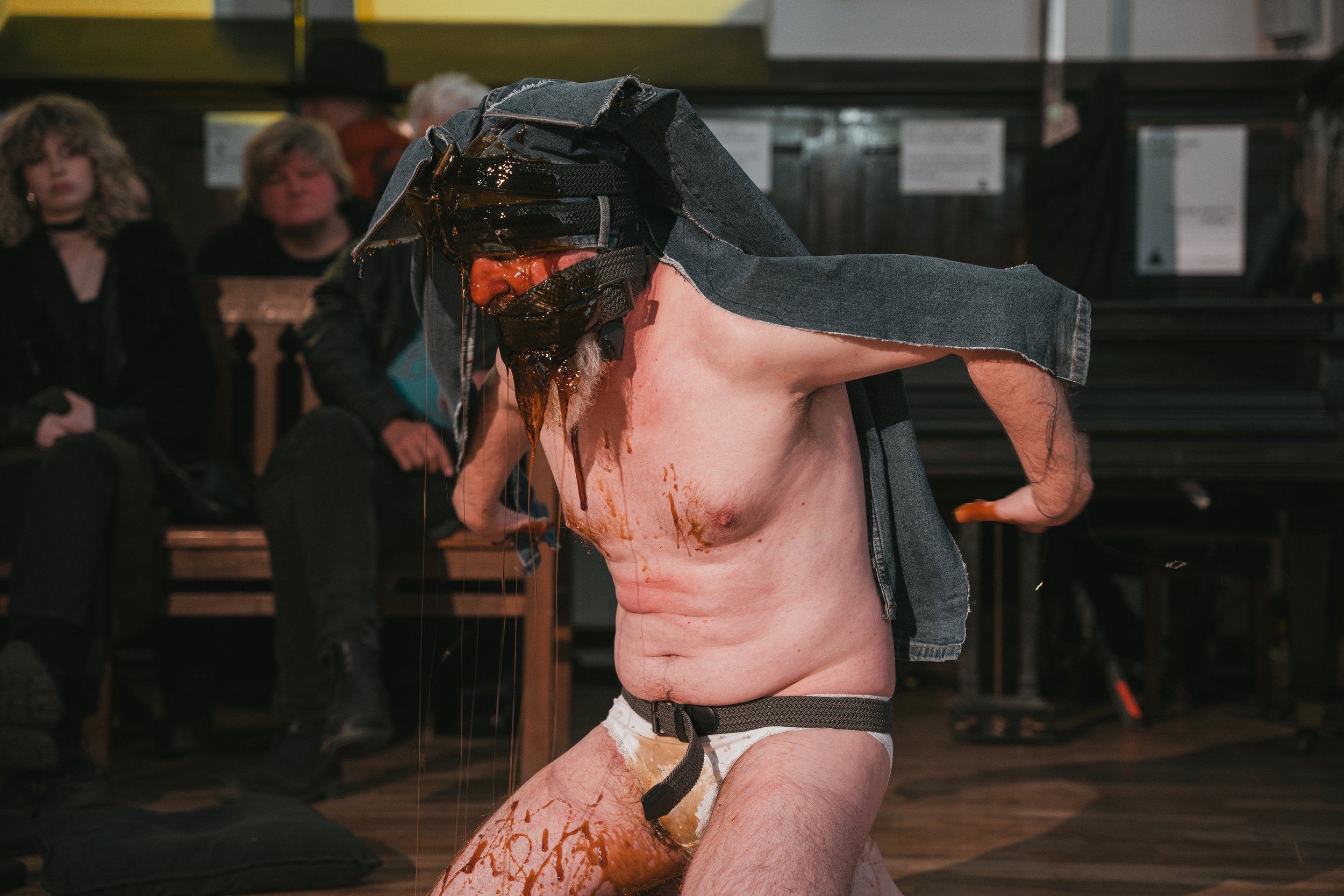
Rocky Meaney. "The Divinity Bells & the Archaic Artefact" Photo by Anna Maskava
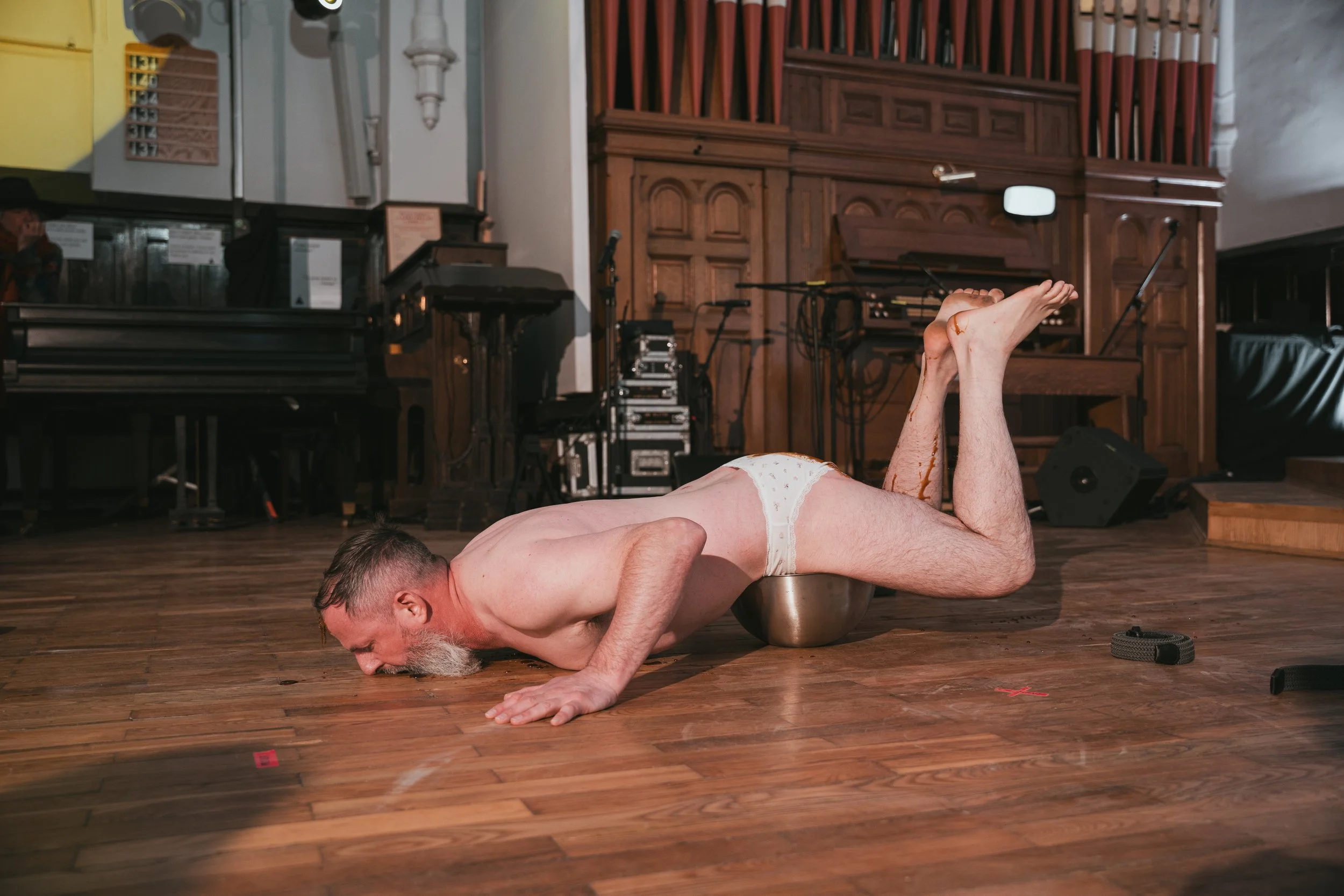
Rocky Meaney. "The Divinity Bells & the Archaic Artefact" Photo by Anna Maskava
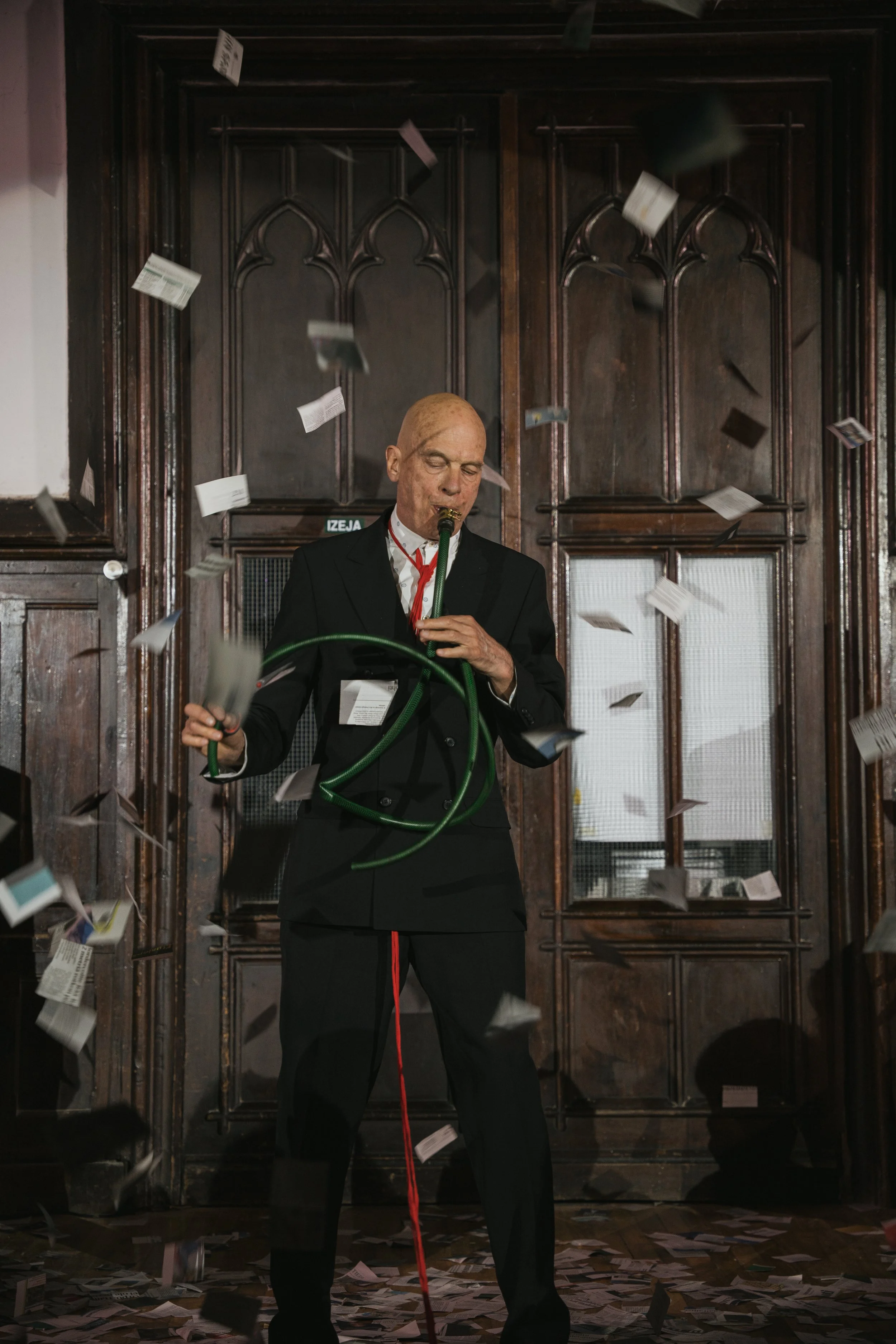
Willem Wilhelmus. "A Fury Condensed" Photo by Anna Maskava
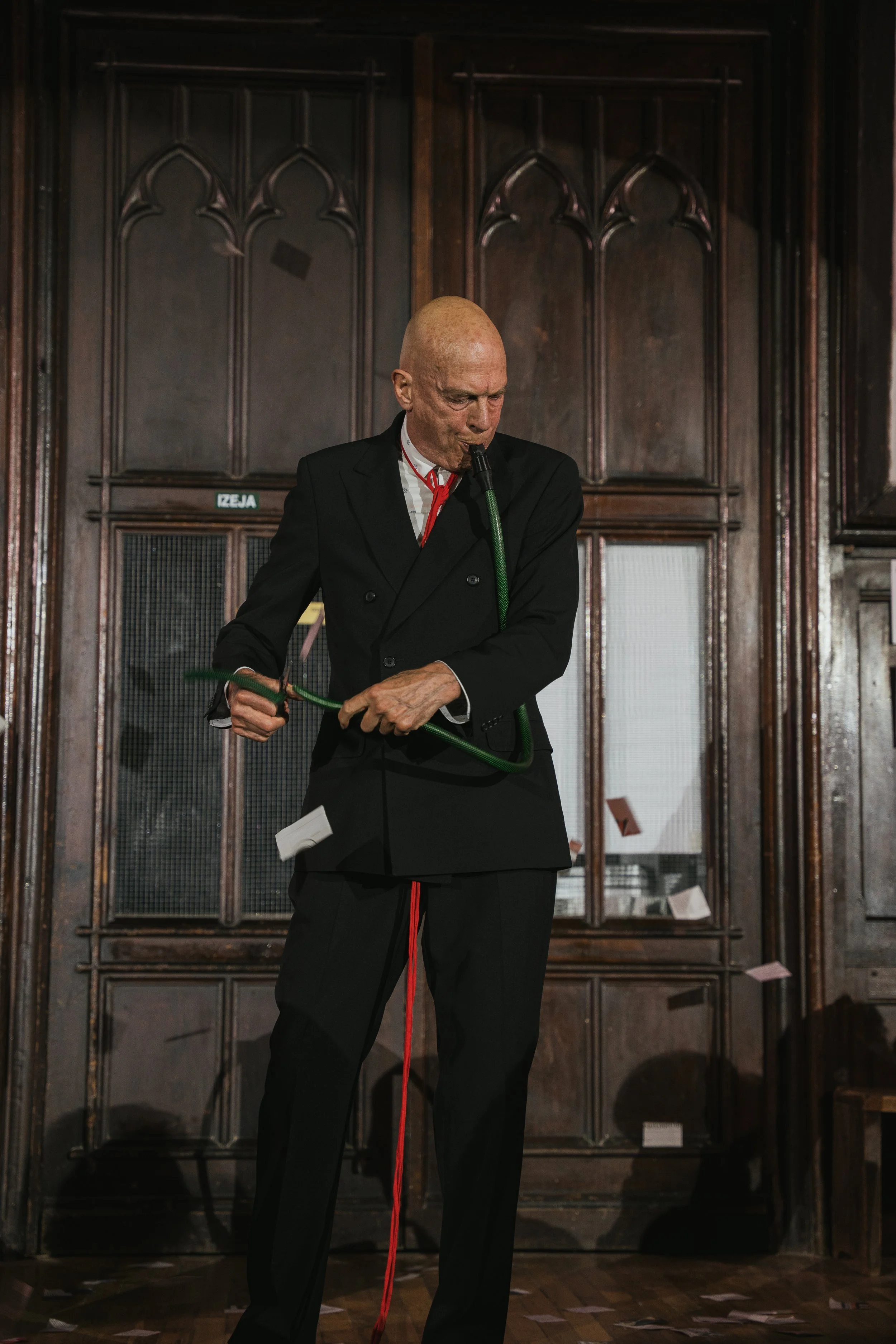
Willem Wilhelmus. "A Fury Condensed" Photo by Anna Maskava
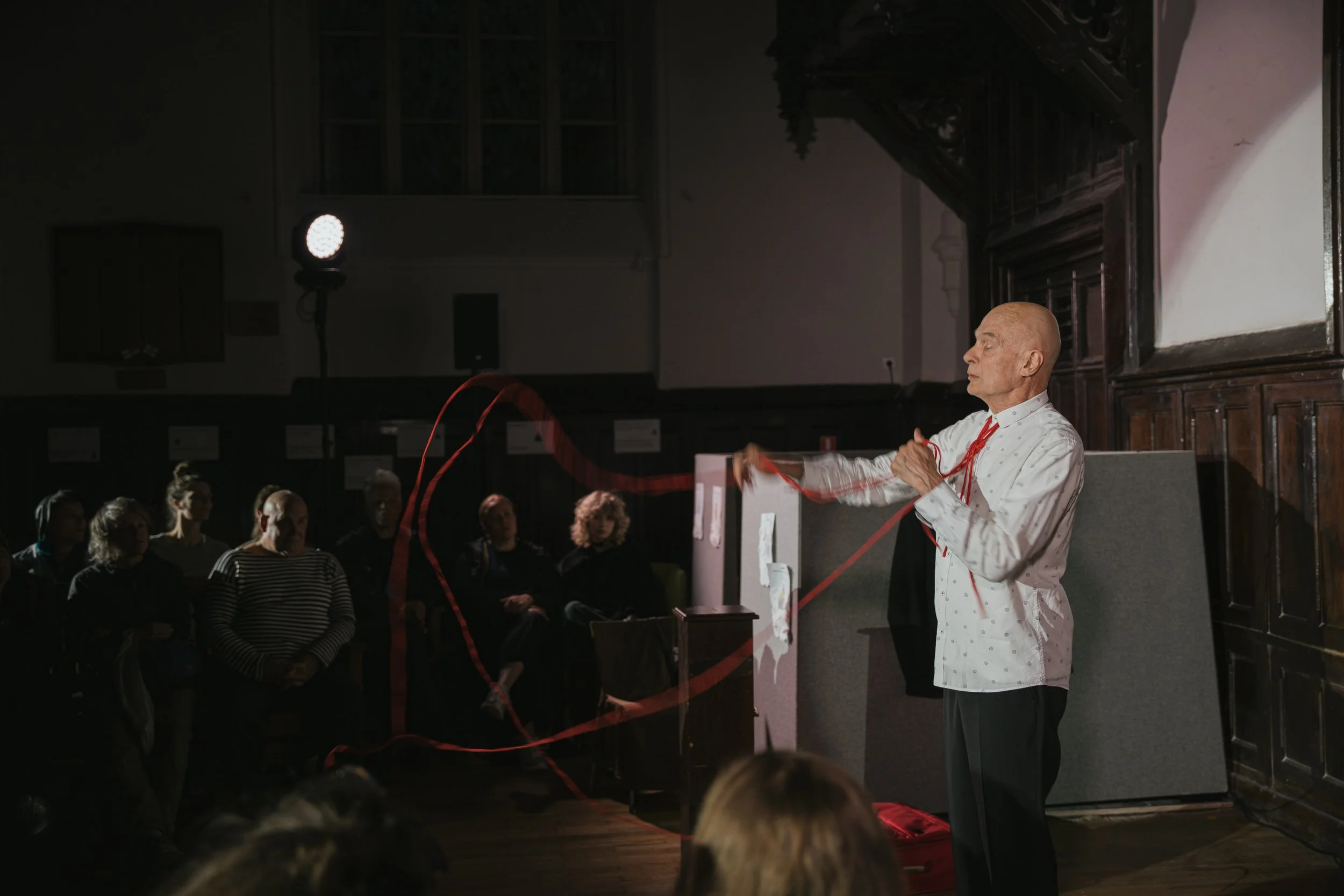
Willem Wilhelmus. "A Fury Condensed" Photo by Anna Maskava
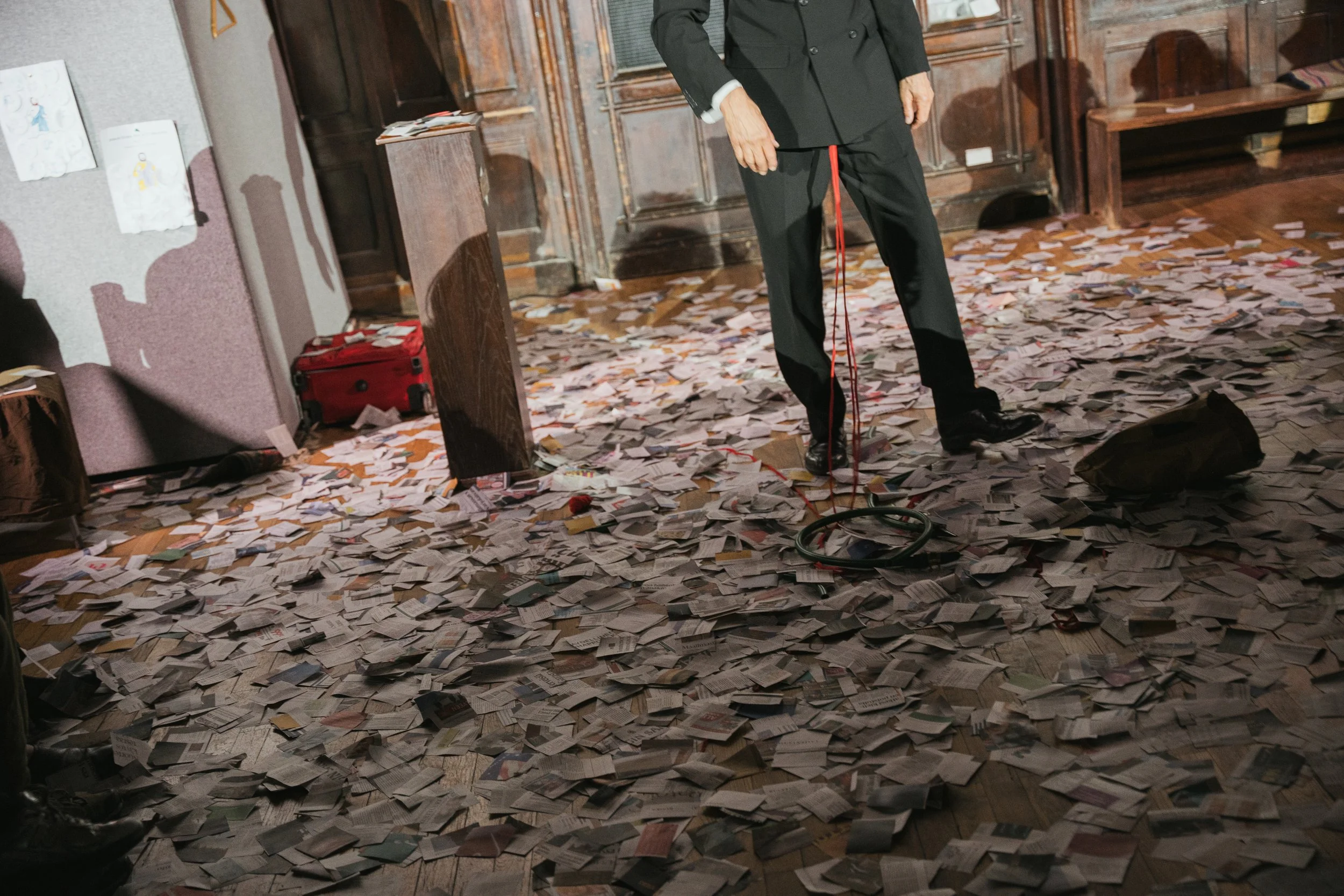
Willem Wilhelmus. "A Fury Condensed" Photo by Anna Maskava
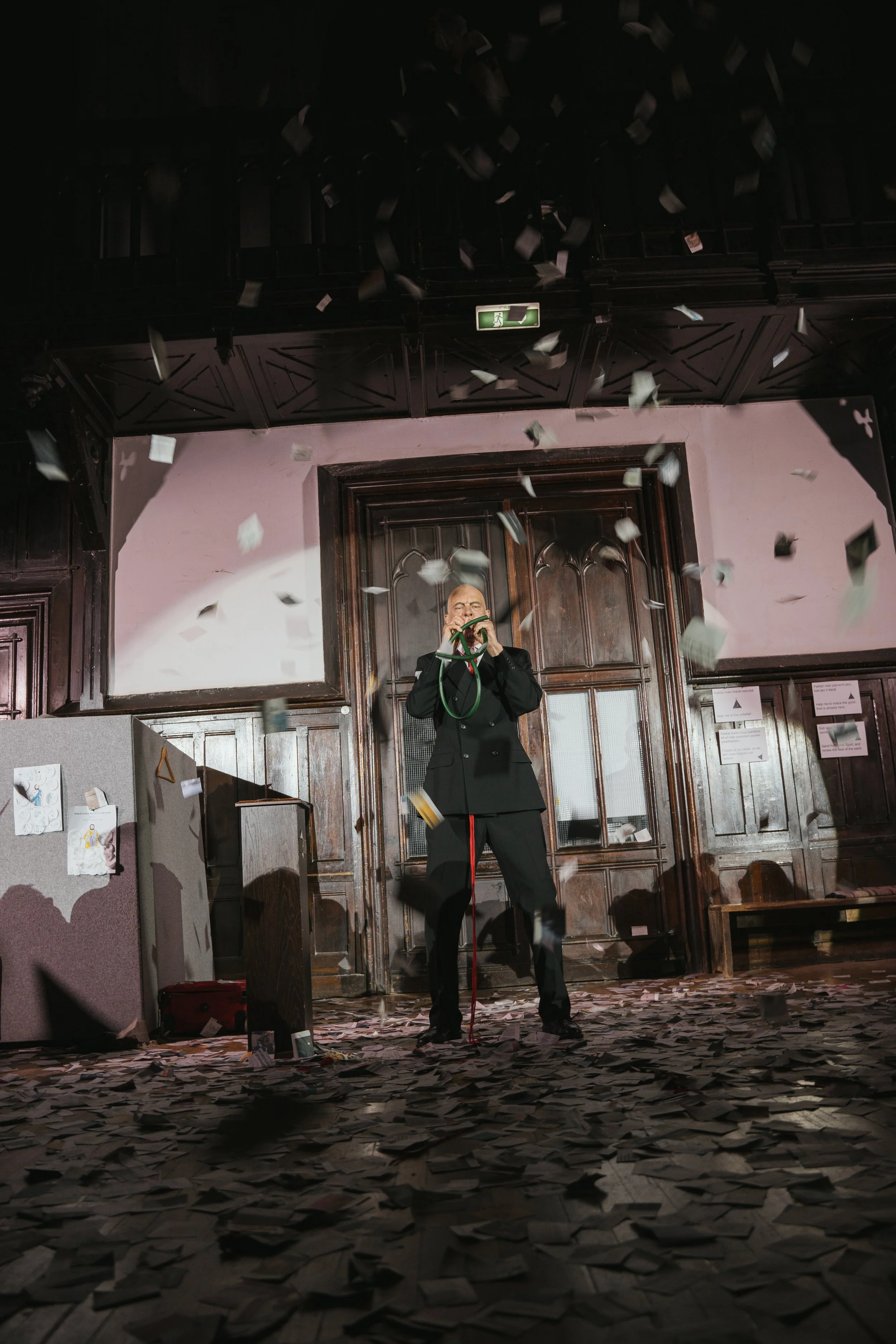
Willem Wilhelmus. "A Fury Condensed" Photo by Anna Maskava
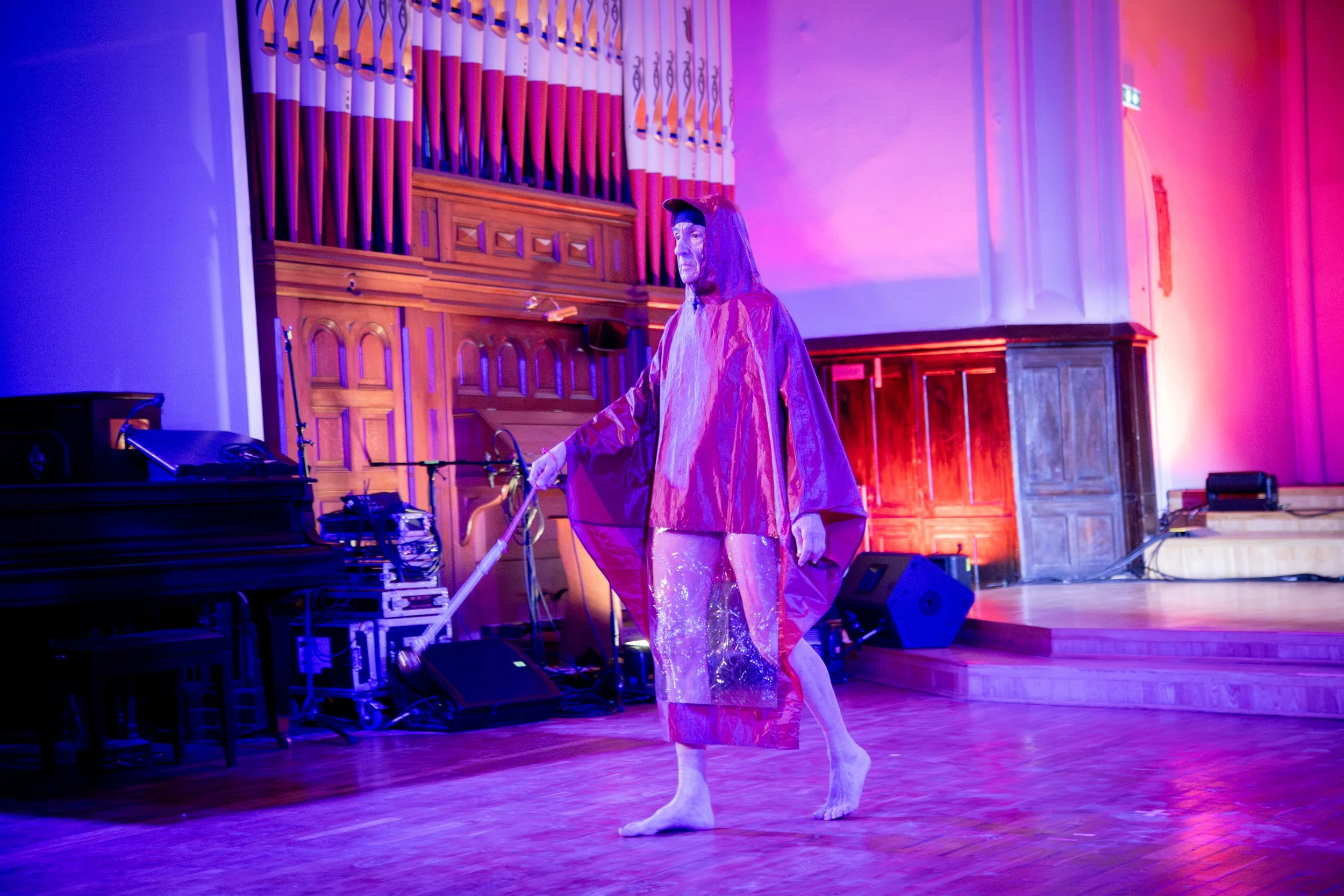
Alan Schacher. "Cataclysmic Catalyst" Photo by Kristaps Dublans
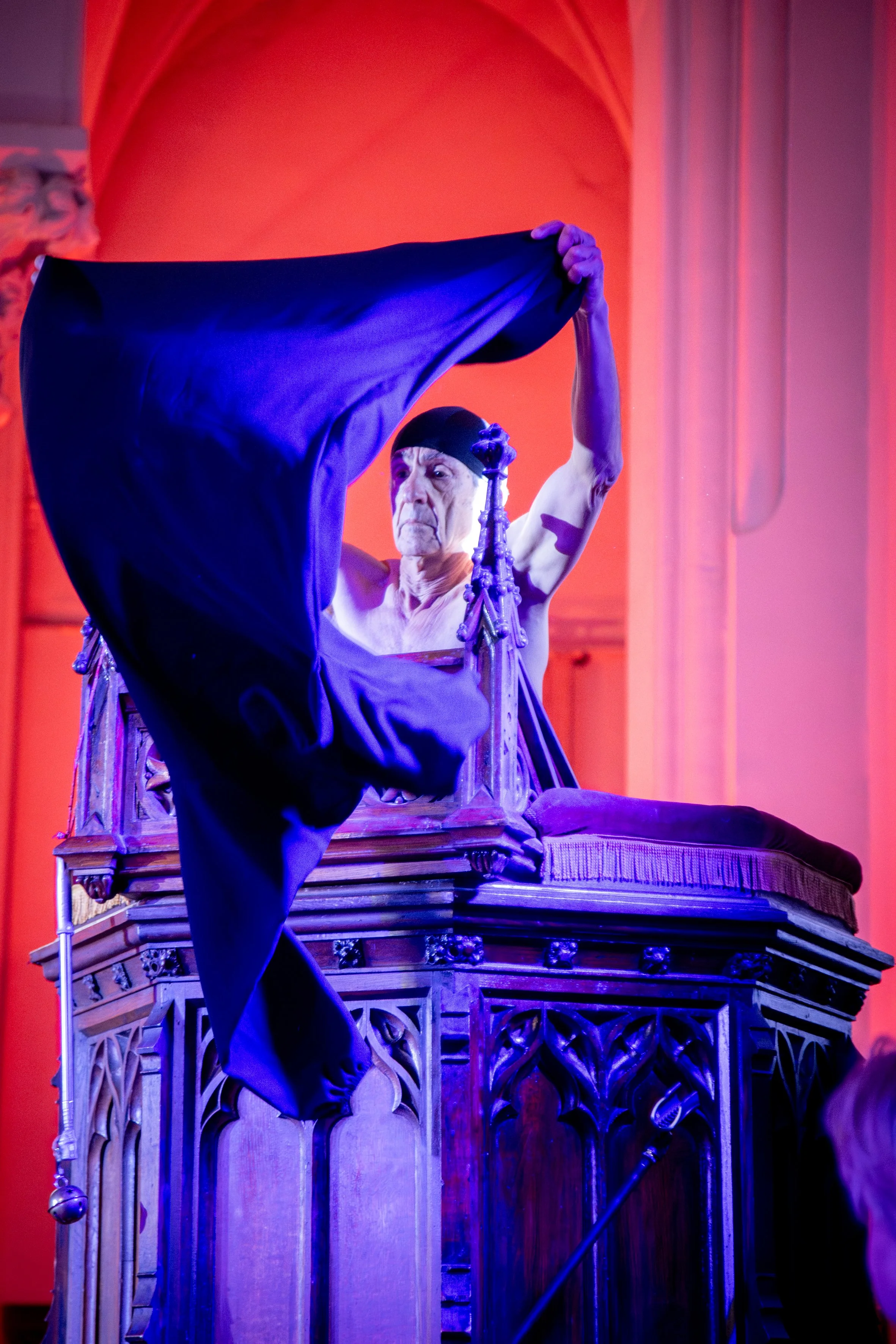
Alan Schacher. "Cataclysmic Catalyst" Photo by Kristaps Dublans
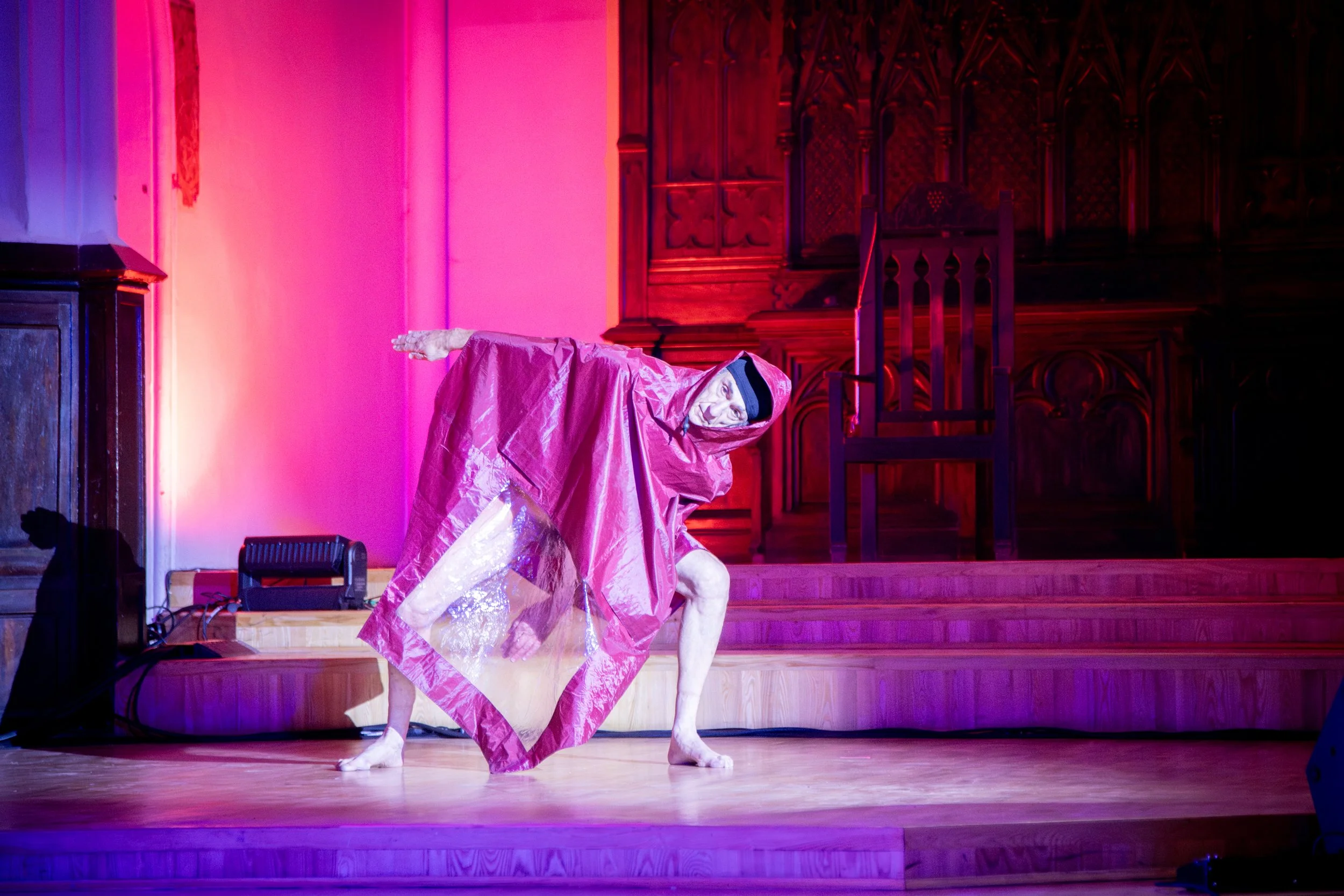
Alan Schacher. "Cataclysmic Catalyst" Photo by Kristaps Dublans
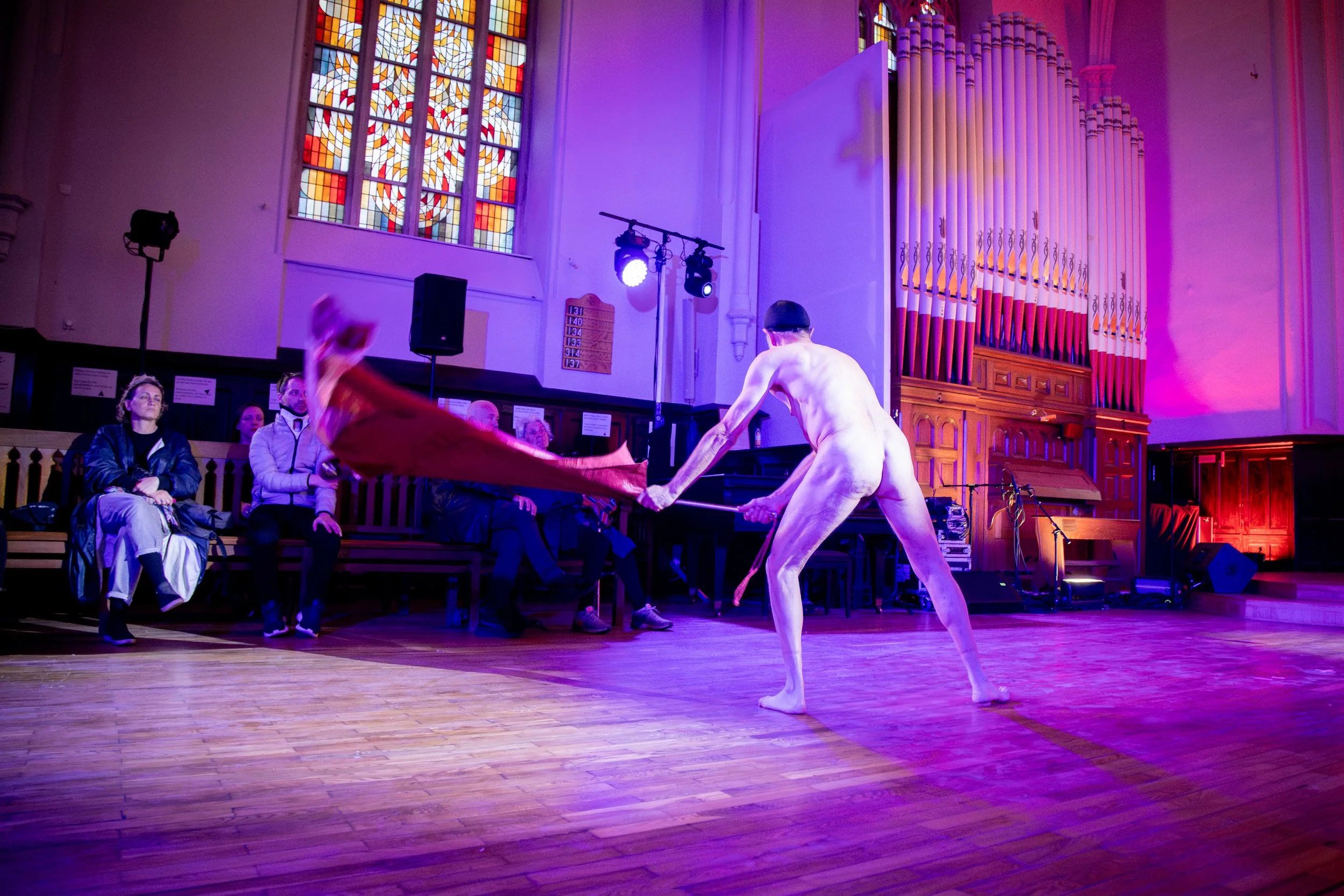
Alan Schacher. "Cataclysmic Catalyst" Photo by Kristaps Dublans
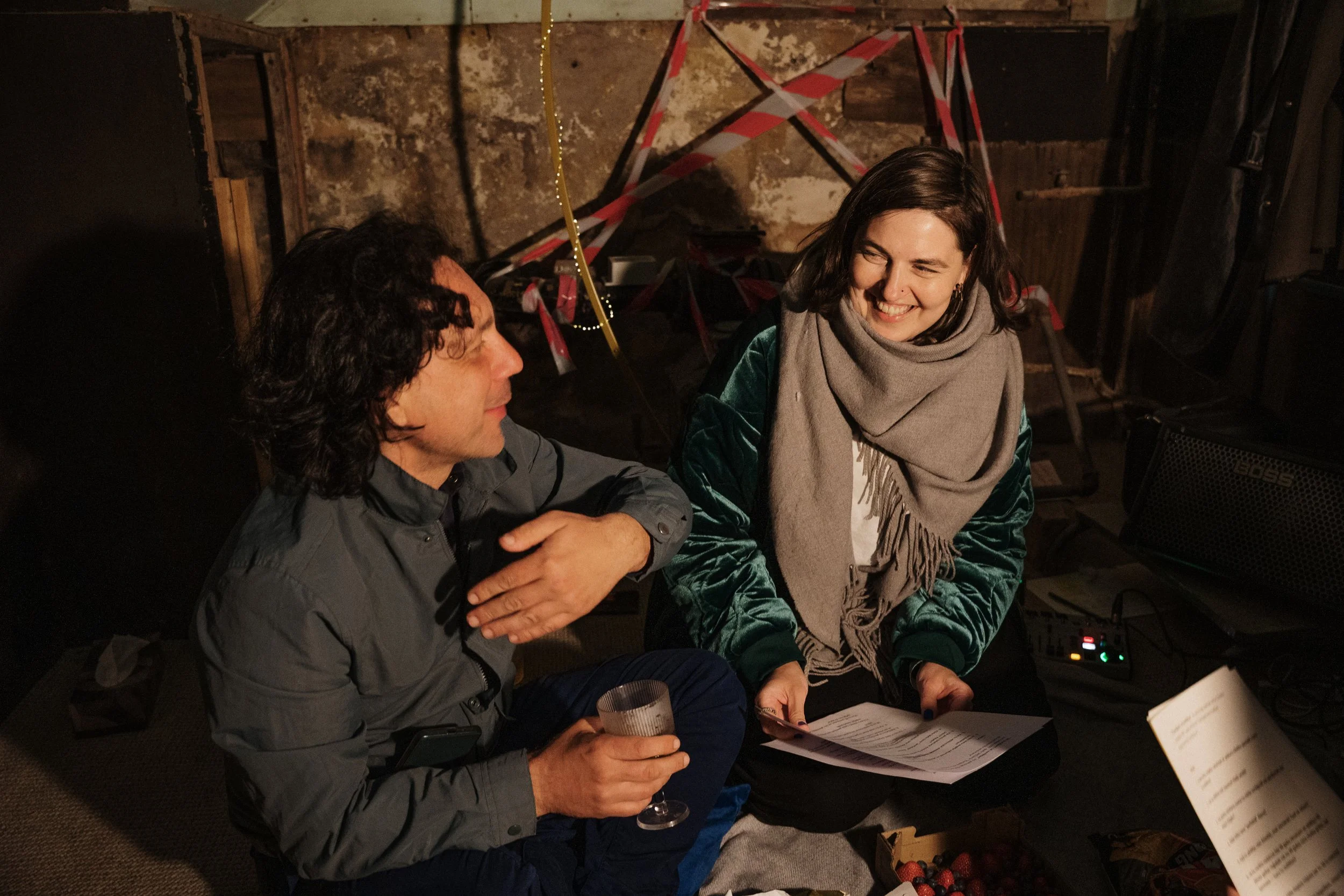
Annija Sprīvule. "How Many People Can an Artist Fall in Love With?" Photo by Anna Maskava
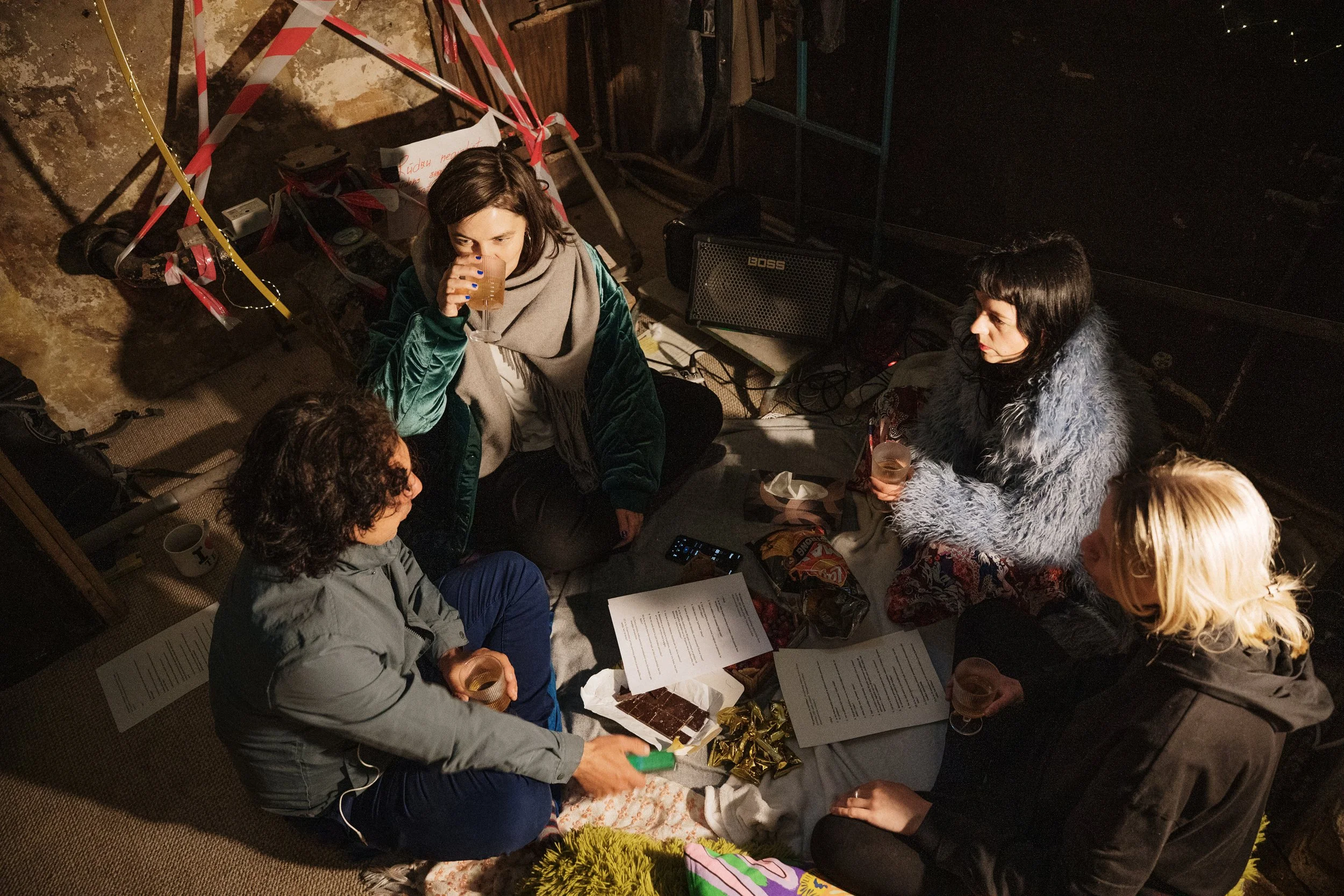
Annija Sprīvule. "How Many People Can an Artist Fall in Love With?" Photo by Anna Maskava
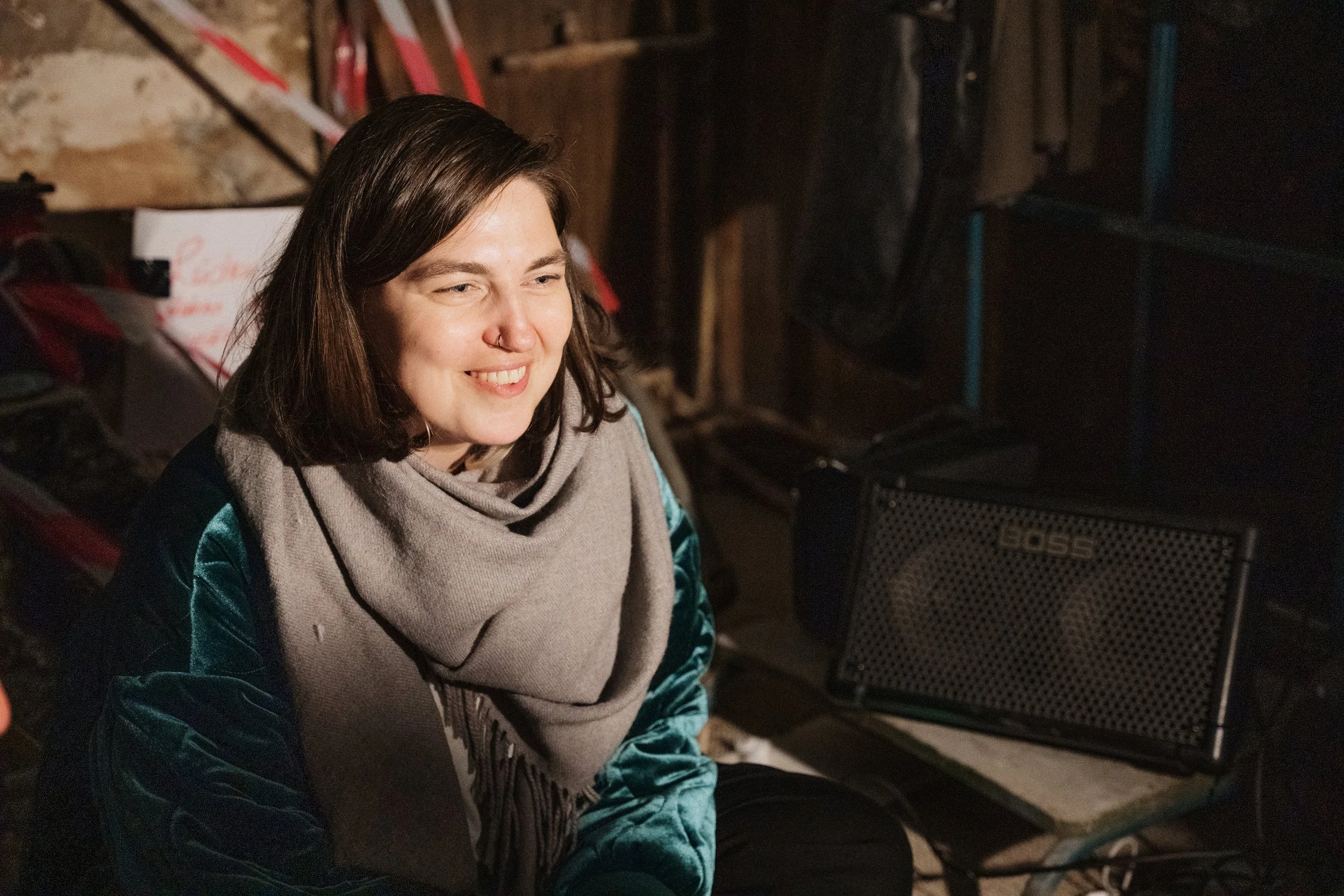
Annija Sprīvule. "How Many People Can an Artist Fall in Love With?" Photo by Anna Maskava
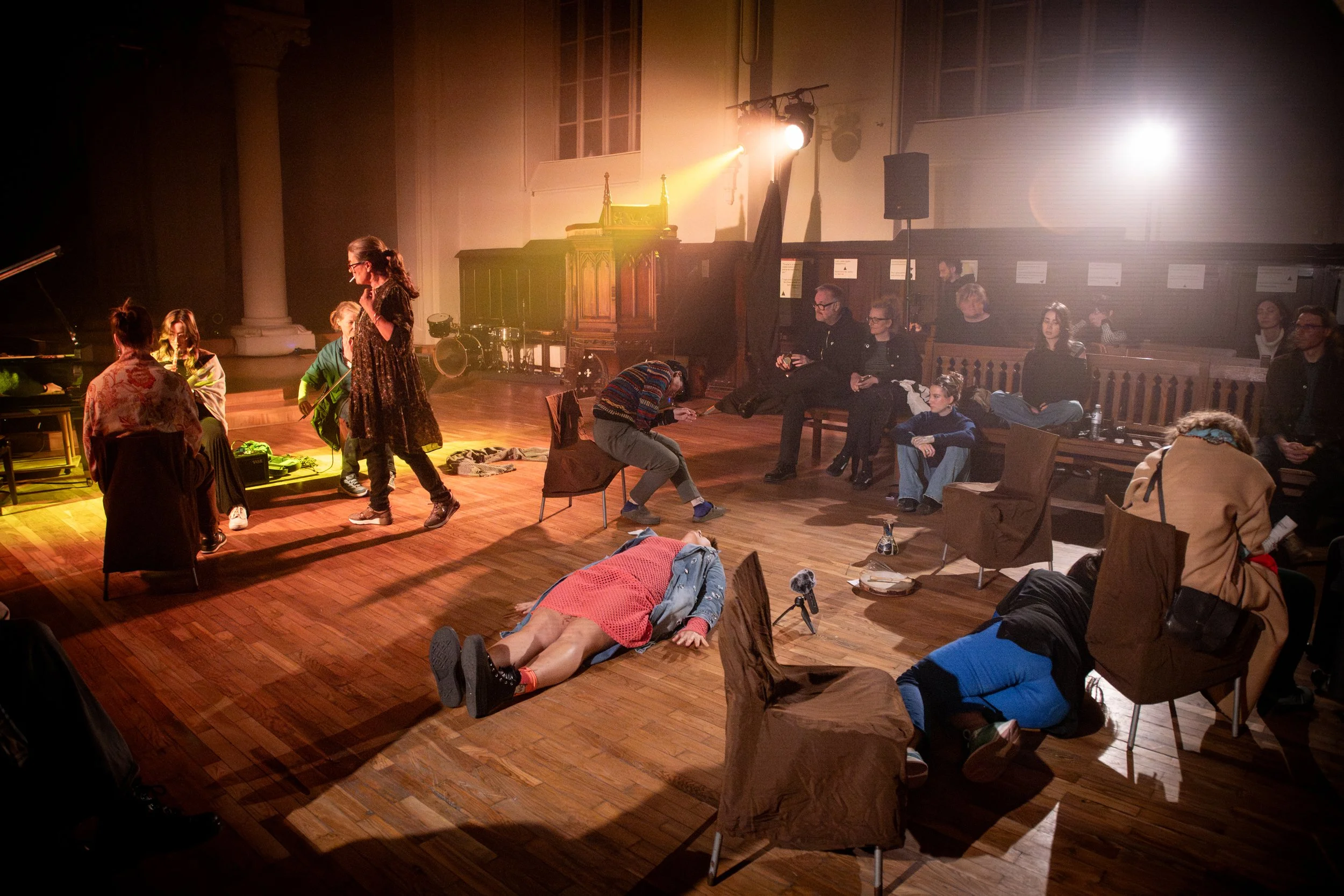
Emmanuelle Waeckerlé. "What Is Left If We Are Not the World" Photo by Kristaps Dubļāns
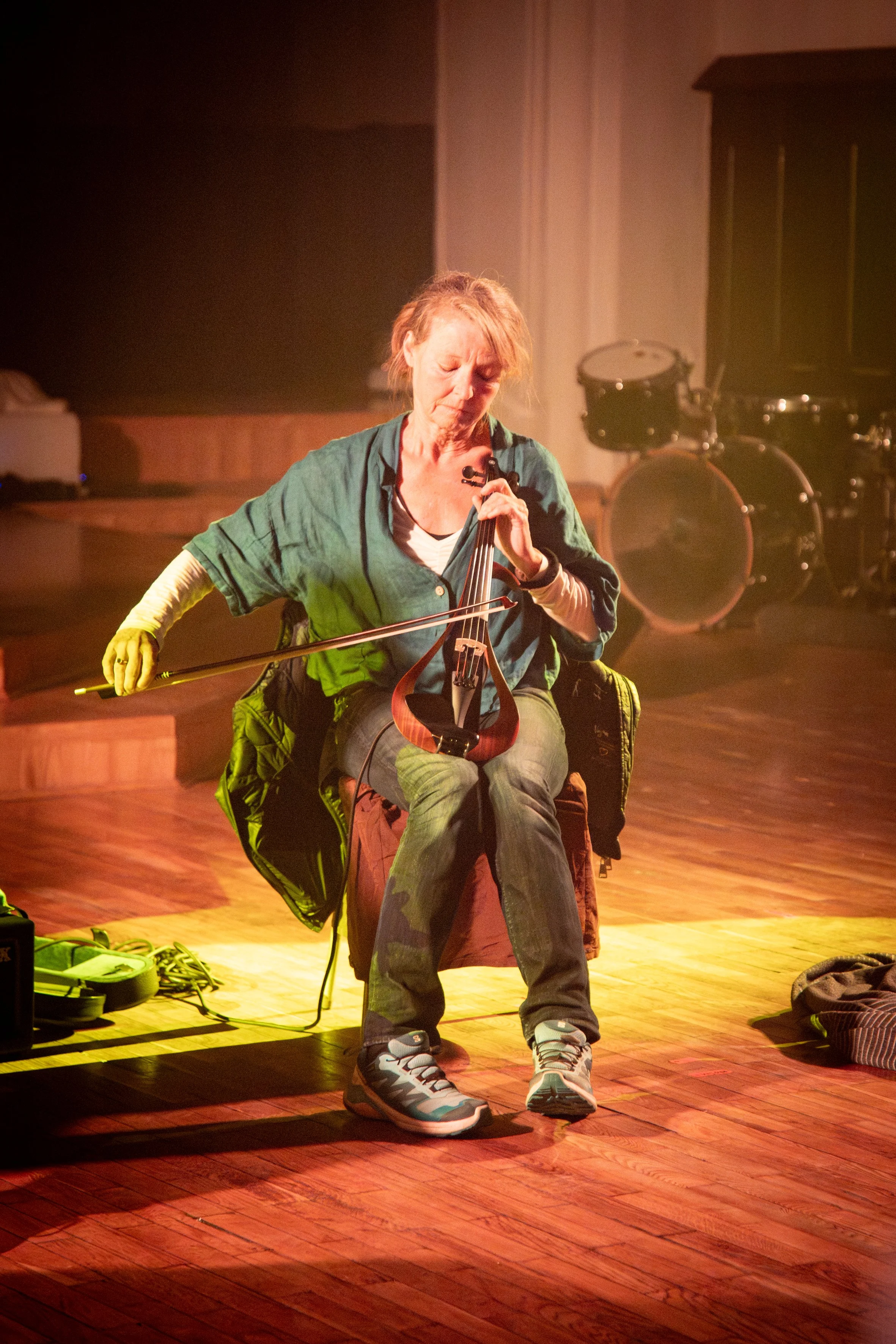
Emmanuelle Waeckerlé. "What Is Left If We Are Not the World" Photo by Kristaps Dubļāns
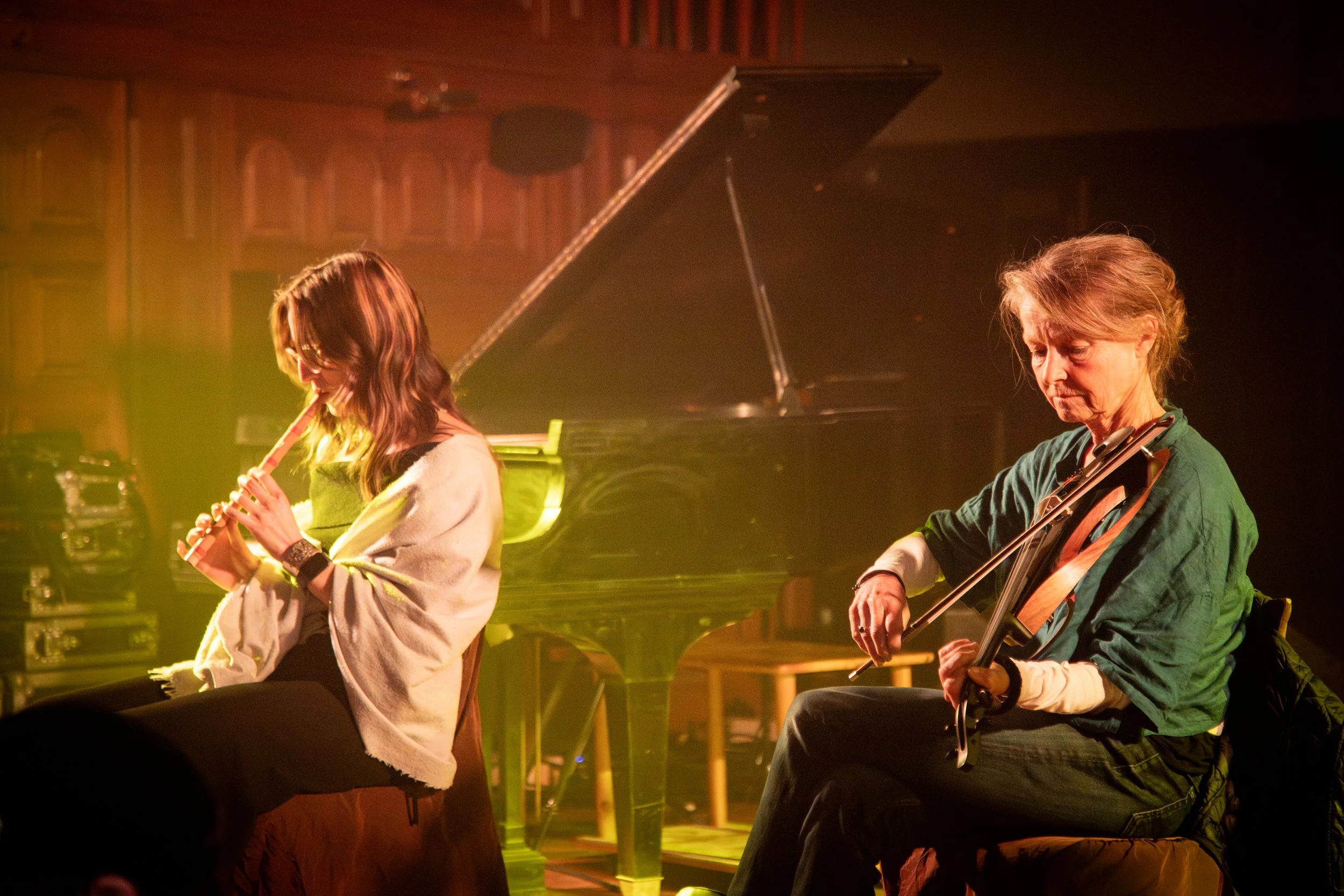
Emmanuelle Waeckerlé. "What Is Left If We Are Not the World" Photo by Kristaps Dubļāns
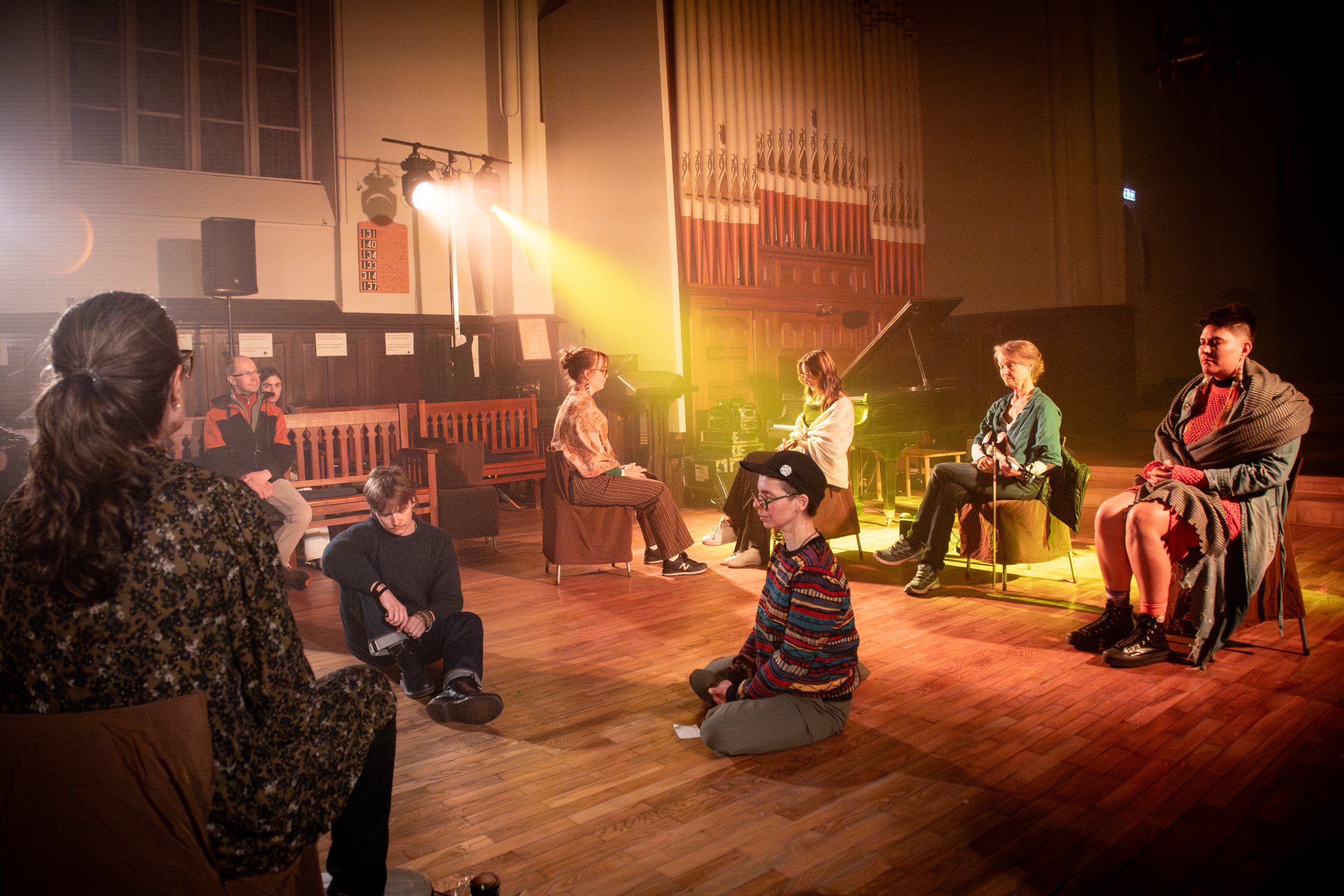
Emmanuelle Waeckerlé. "What Is Left If We Are Not the World" Photo by Kristaps Dubļāns
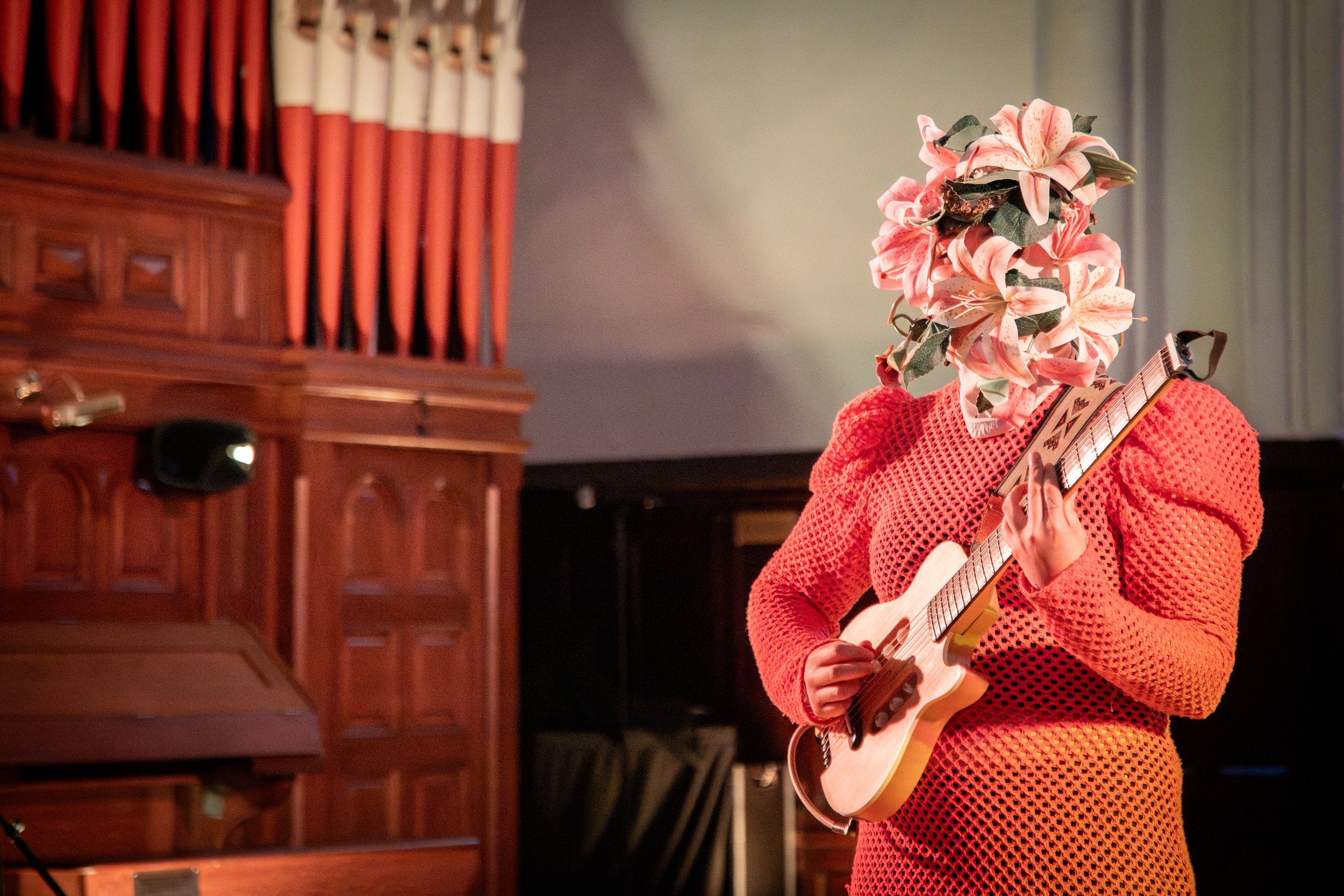
Gabi Tomé. "Unruly Bloom" Photo by Kristaps Dubļāns
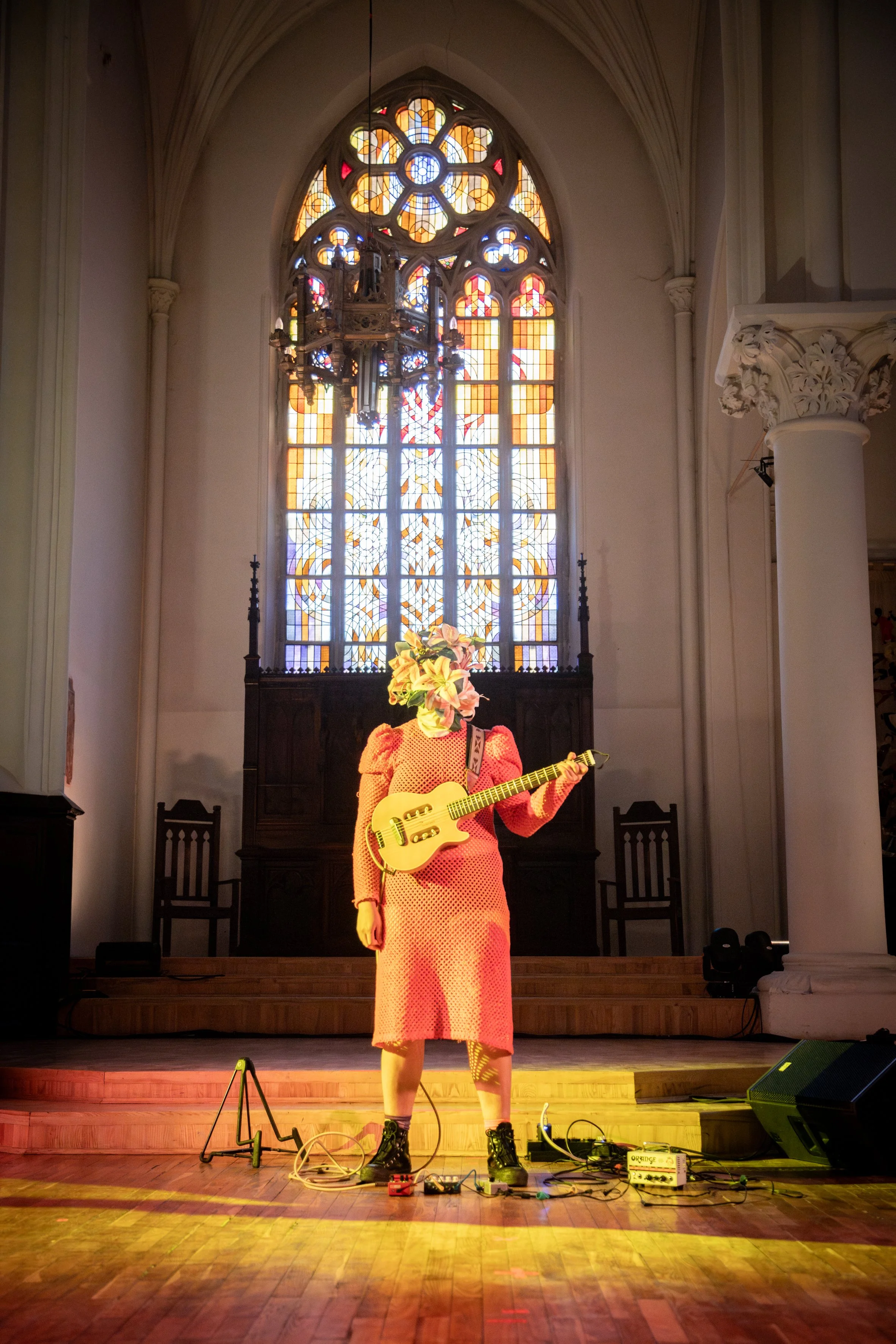
Gabi Tomé. "Unruly Bloom" Photo by Kristaps Dubļāns
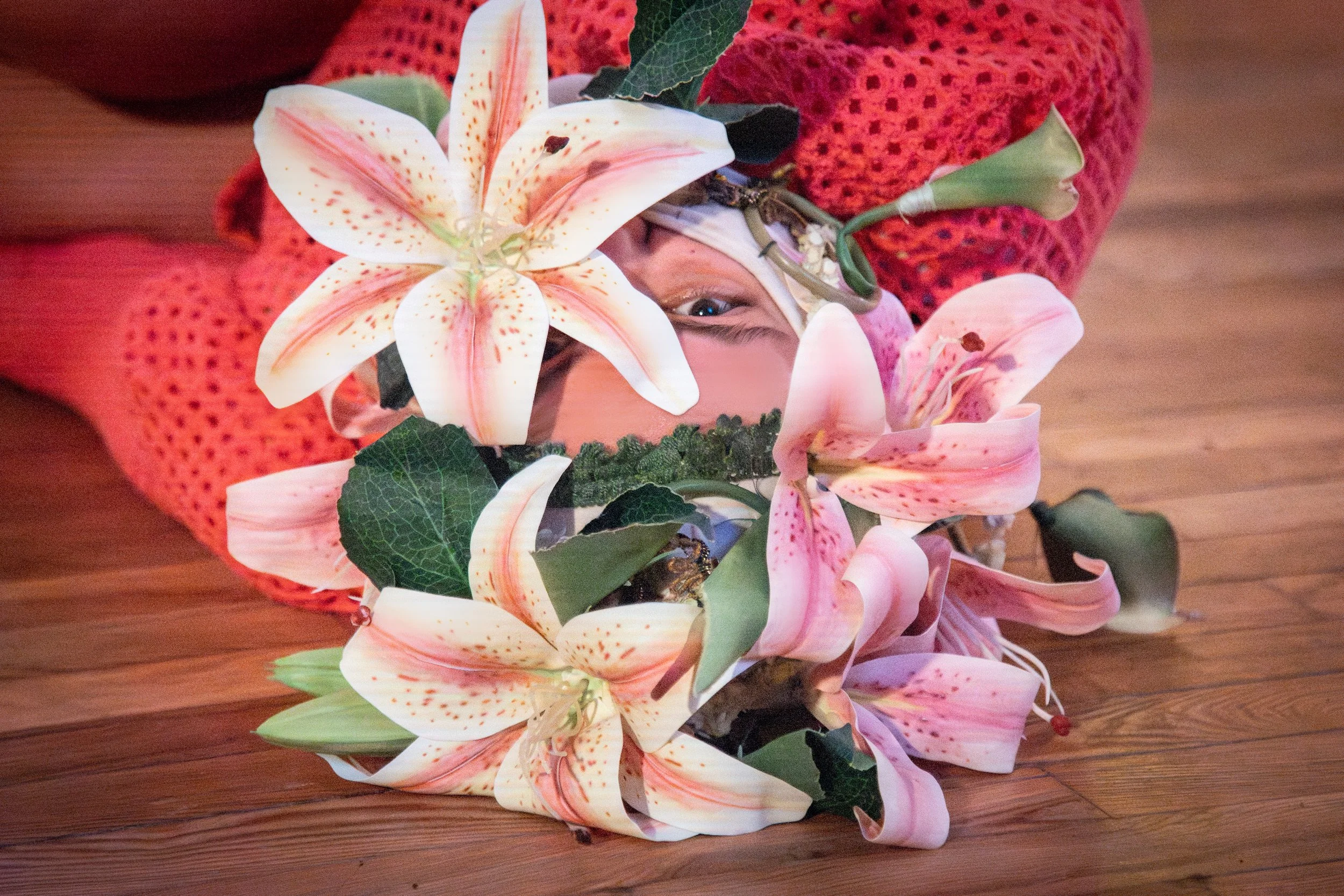
Gabi Tomé. "Unruly Bloom" Photo by Kristaps Dubļāns
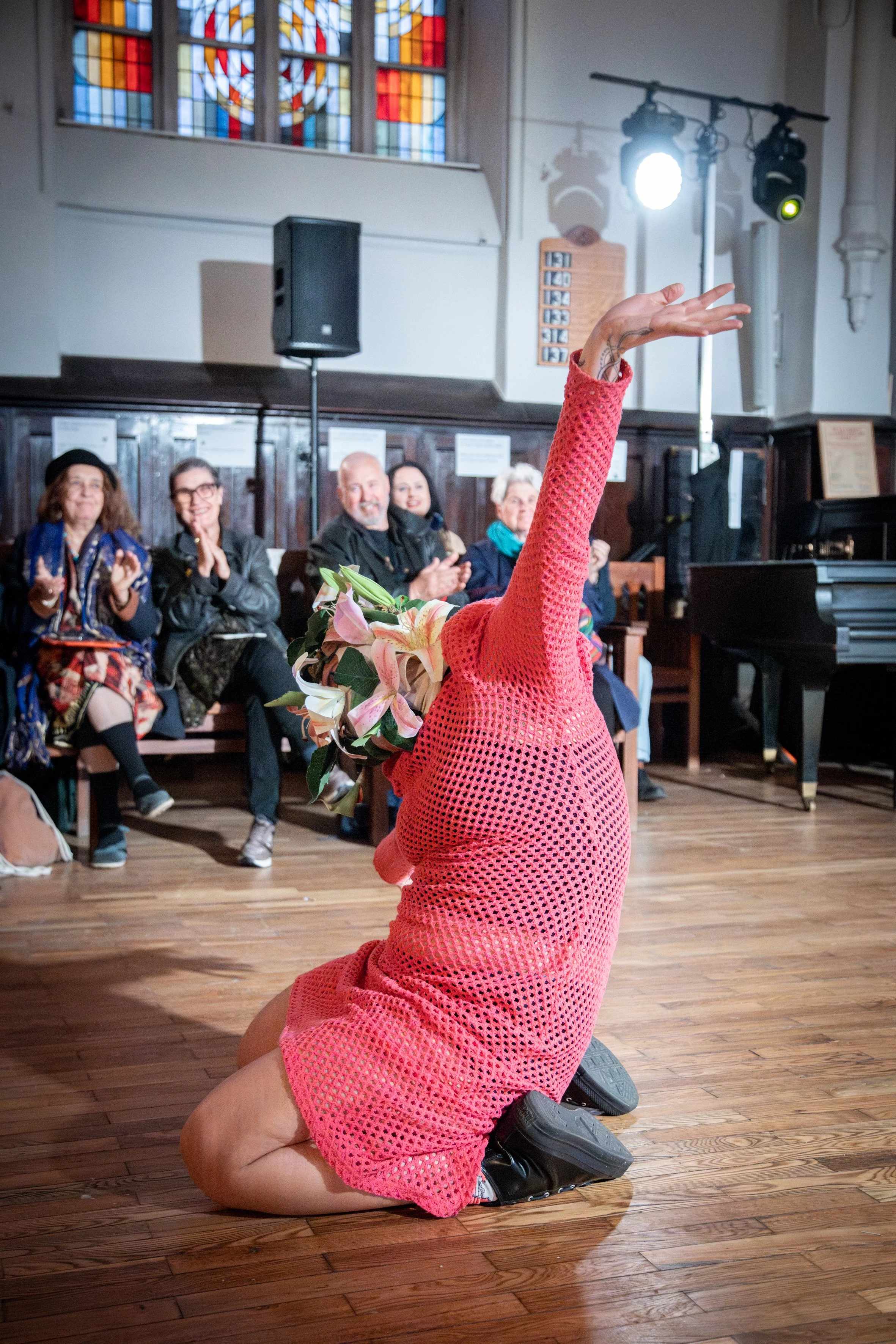
Gabi Tomé. "Unruly Bloom" Photo by Kristaps Dubļāns
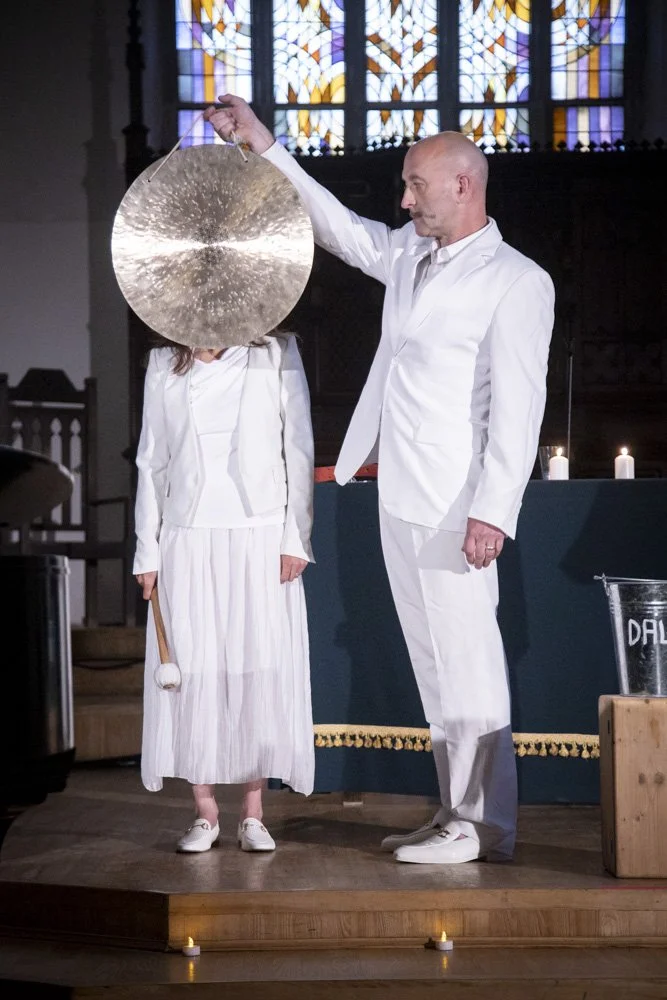
Paul Regan & Marianne Marcote. "Monitor" Photo by Kristaps Dubļāns
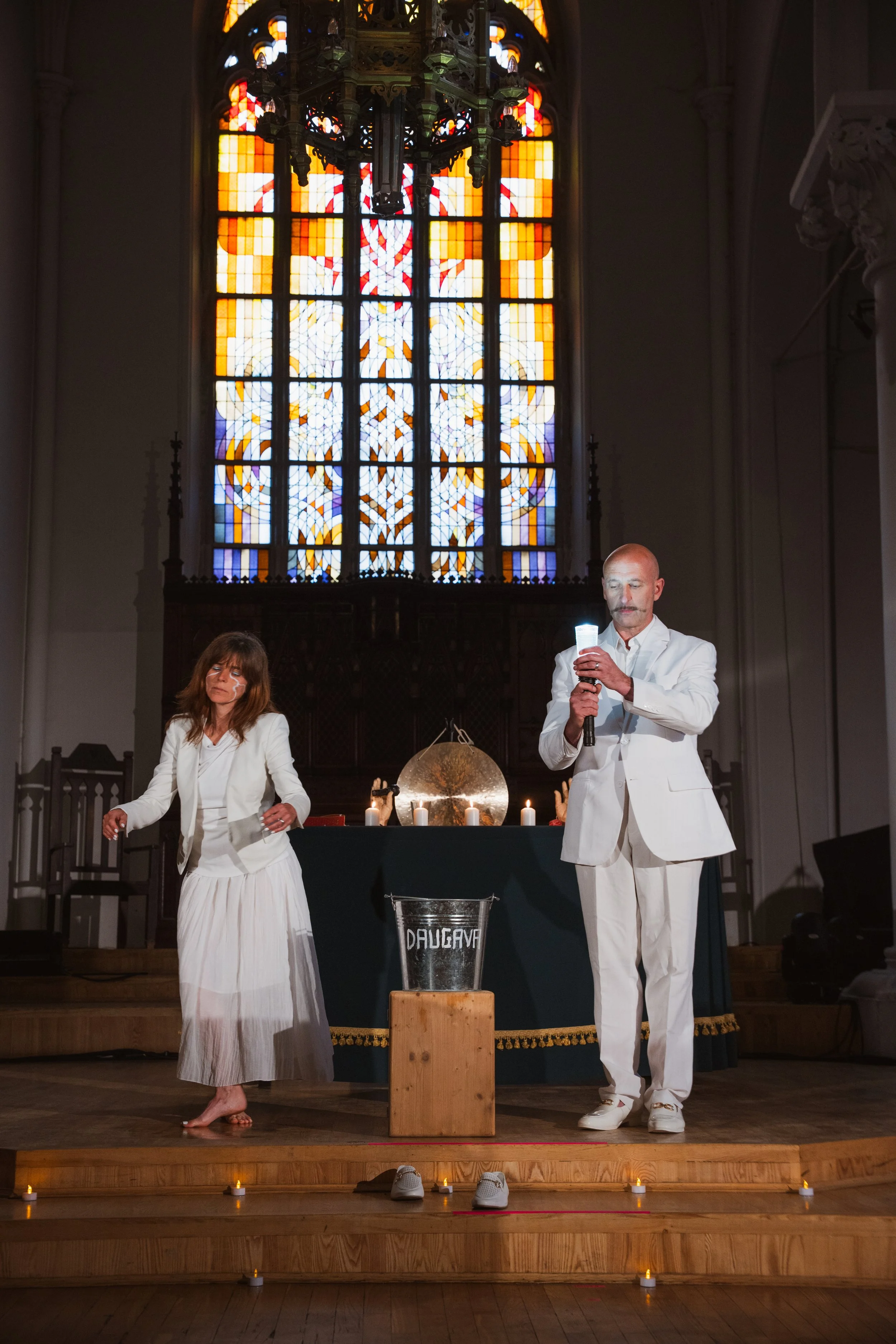
Paul Regan & Marianne Marcote. "Monitor" Photo by Anna Maskava
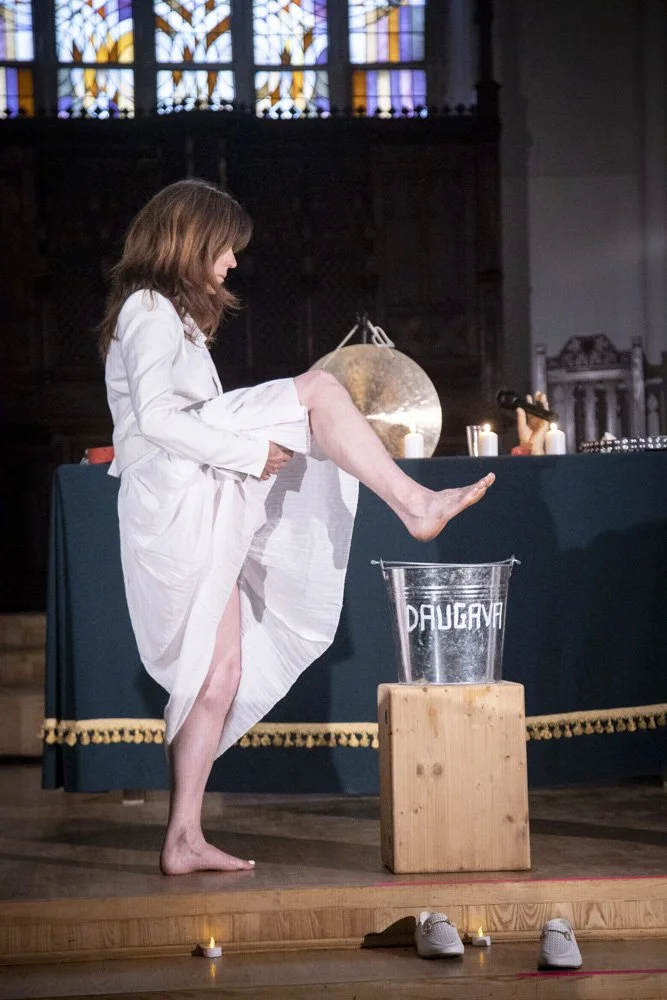
Paul Regan & Marianne Marcote. "Monitor" Photo by Kristaps Dubļāns
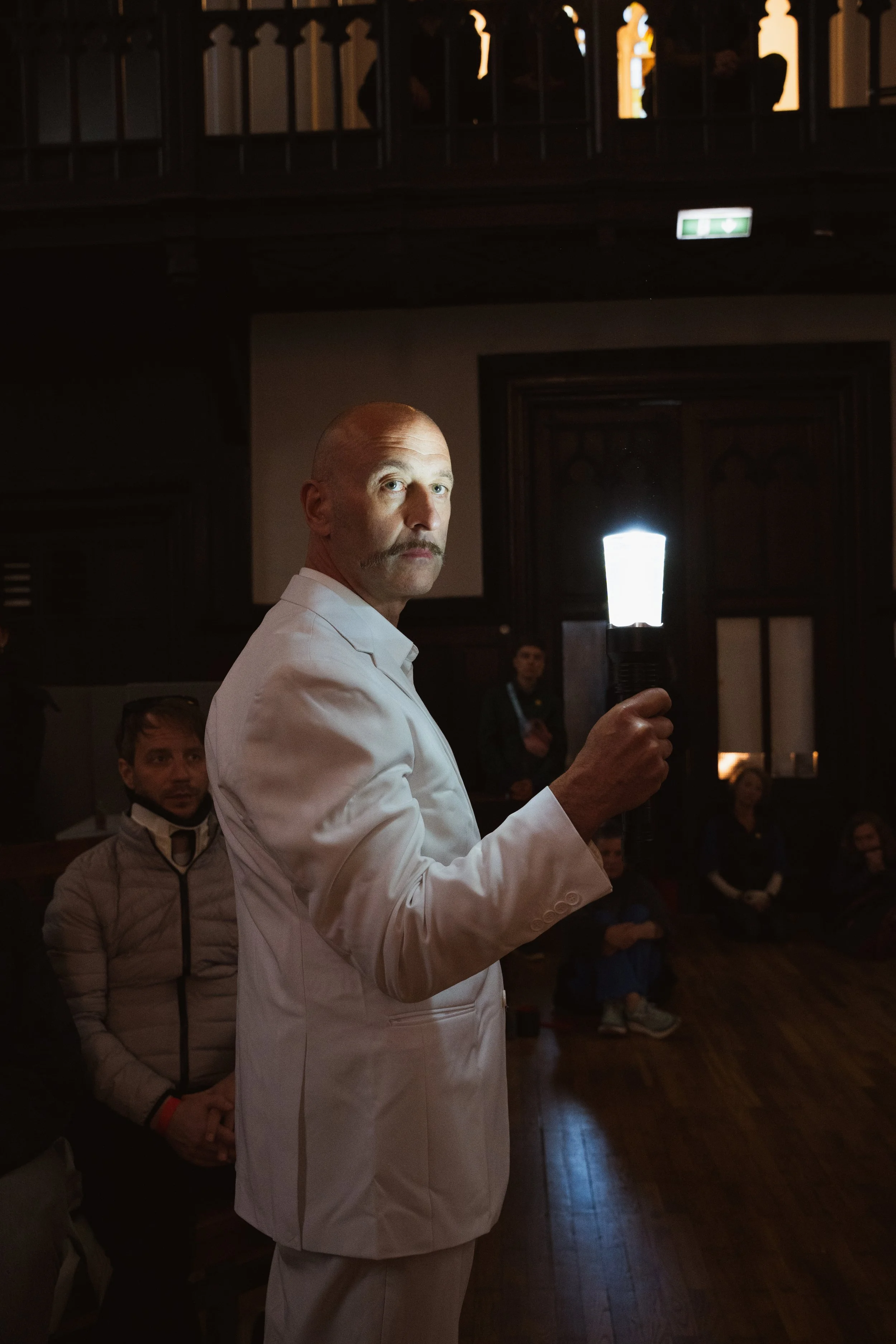
Paul Regan & Marianne Marcote. "Monitor" Photo by Anna Maskava
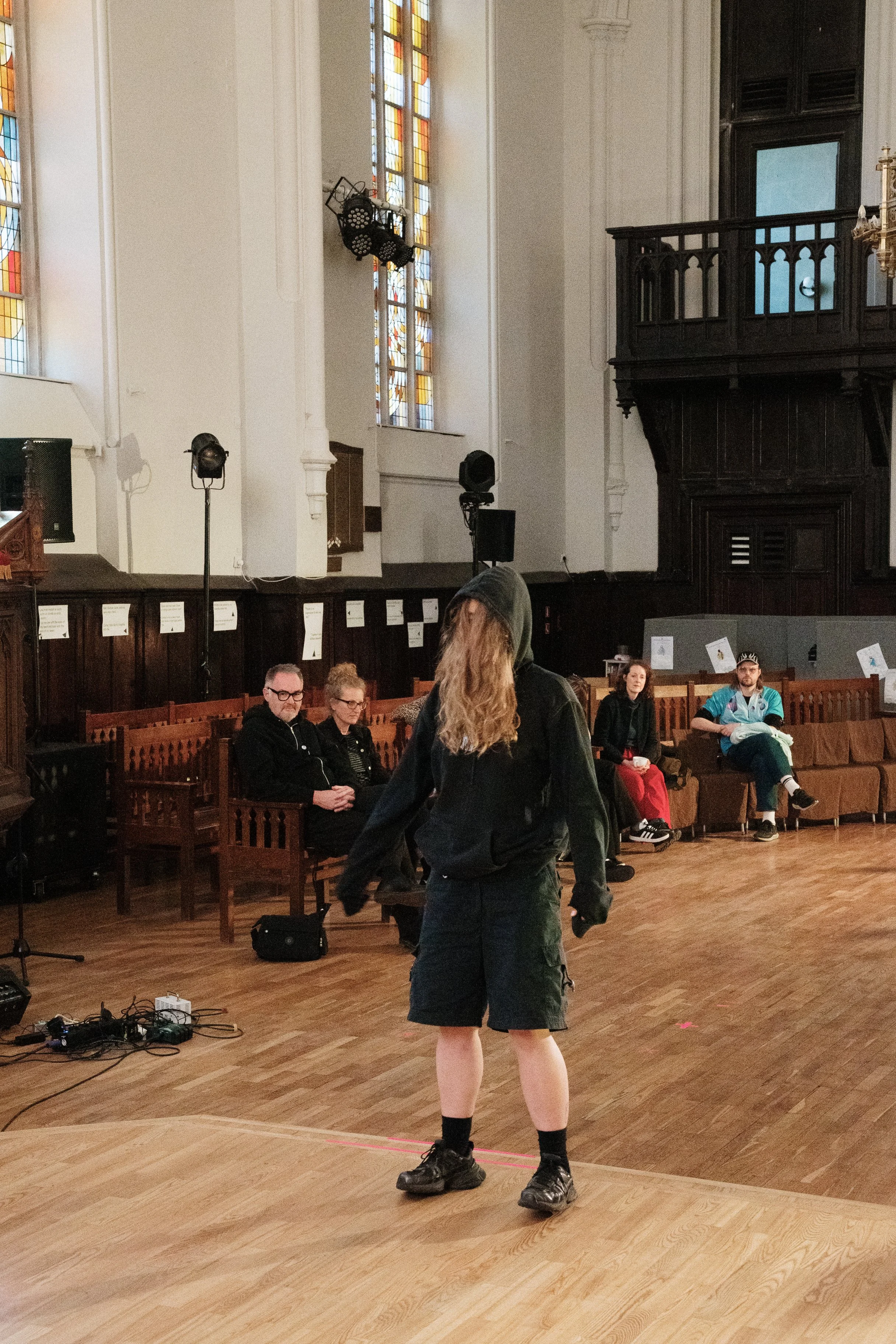
Lisette-Marie Viilup. "Travelling Light" Photo by Anna Maskava
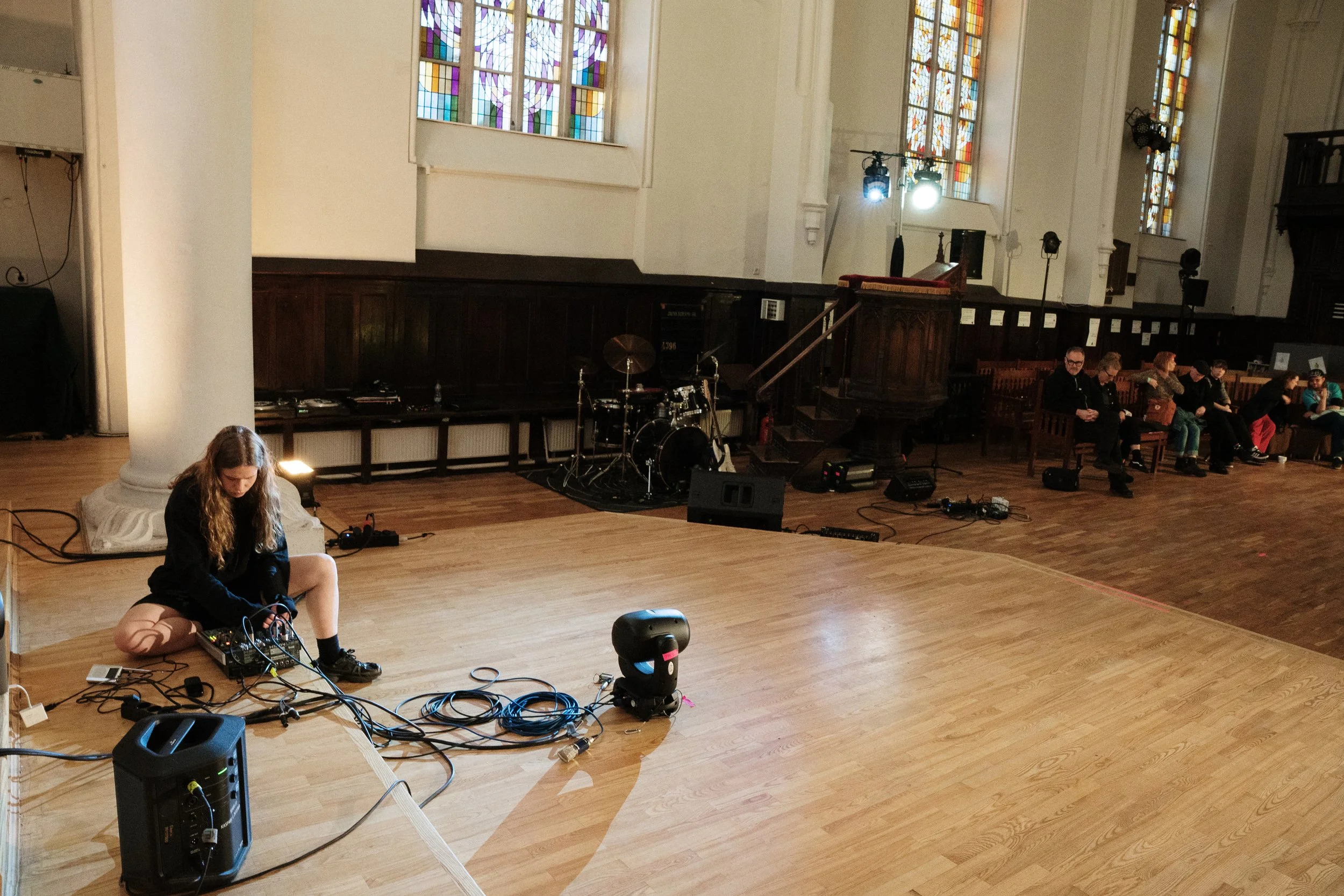
Lisette-Marie Viilup. "Travelling Light" Photo by Anna Maskava
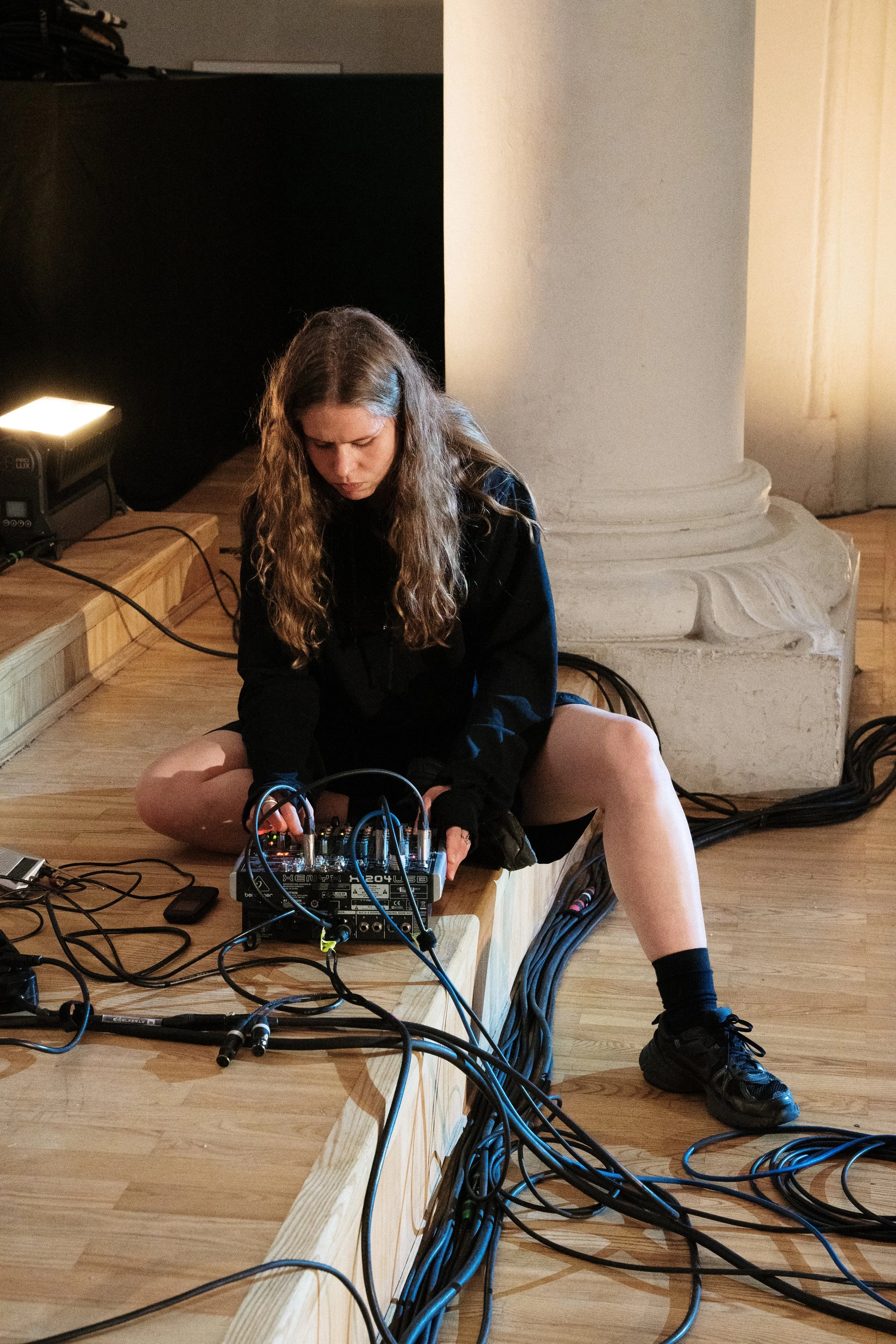
Lisette-Marie Viilup. "Travelling Light" Photo by Anna Maskava
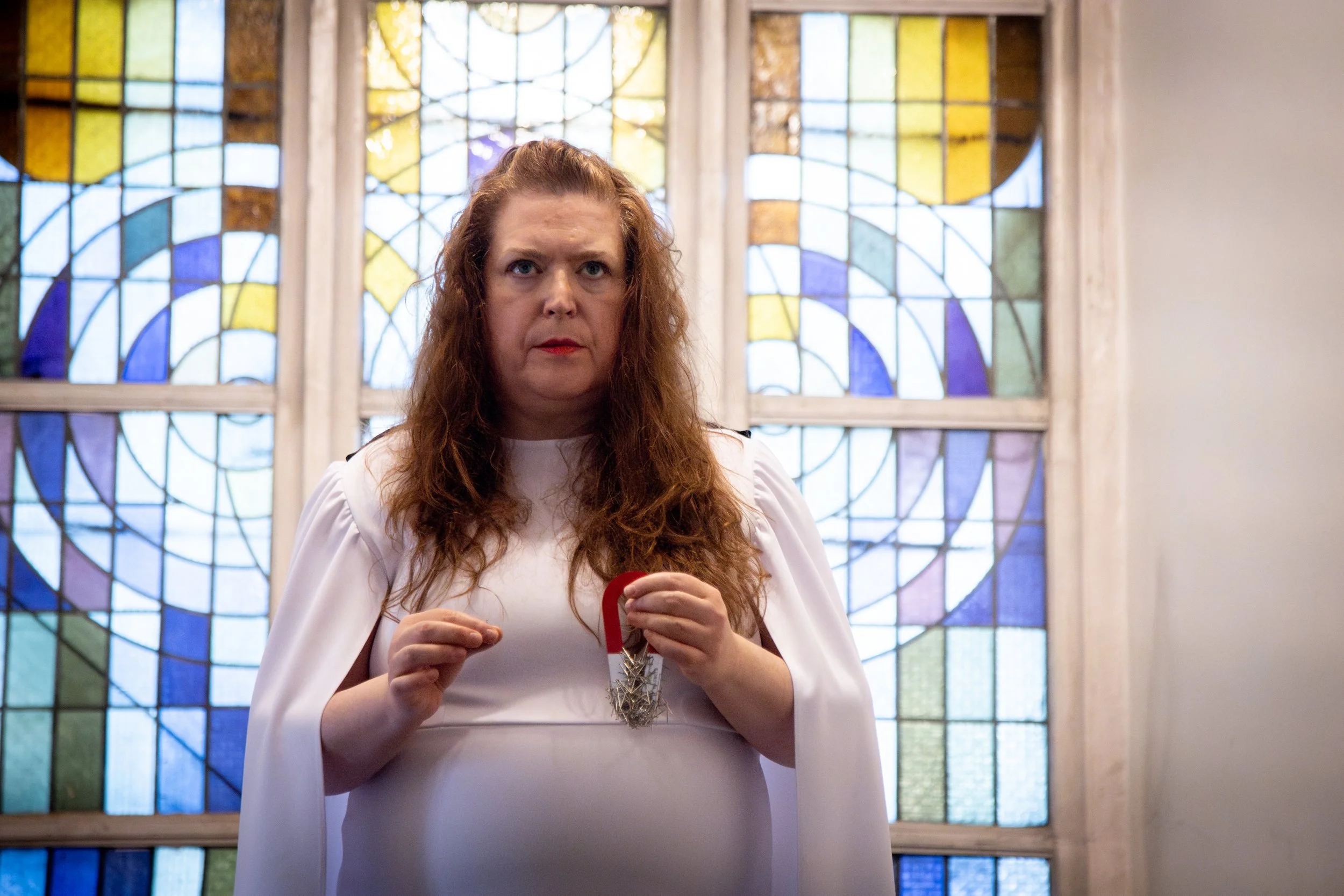
Laurel Jay Carpenter. "I Have Heard What the Talkers Were Talking, the Talk of the Beginning and the End" Photo by Kristaps Dubļāns
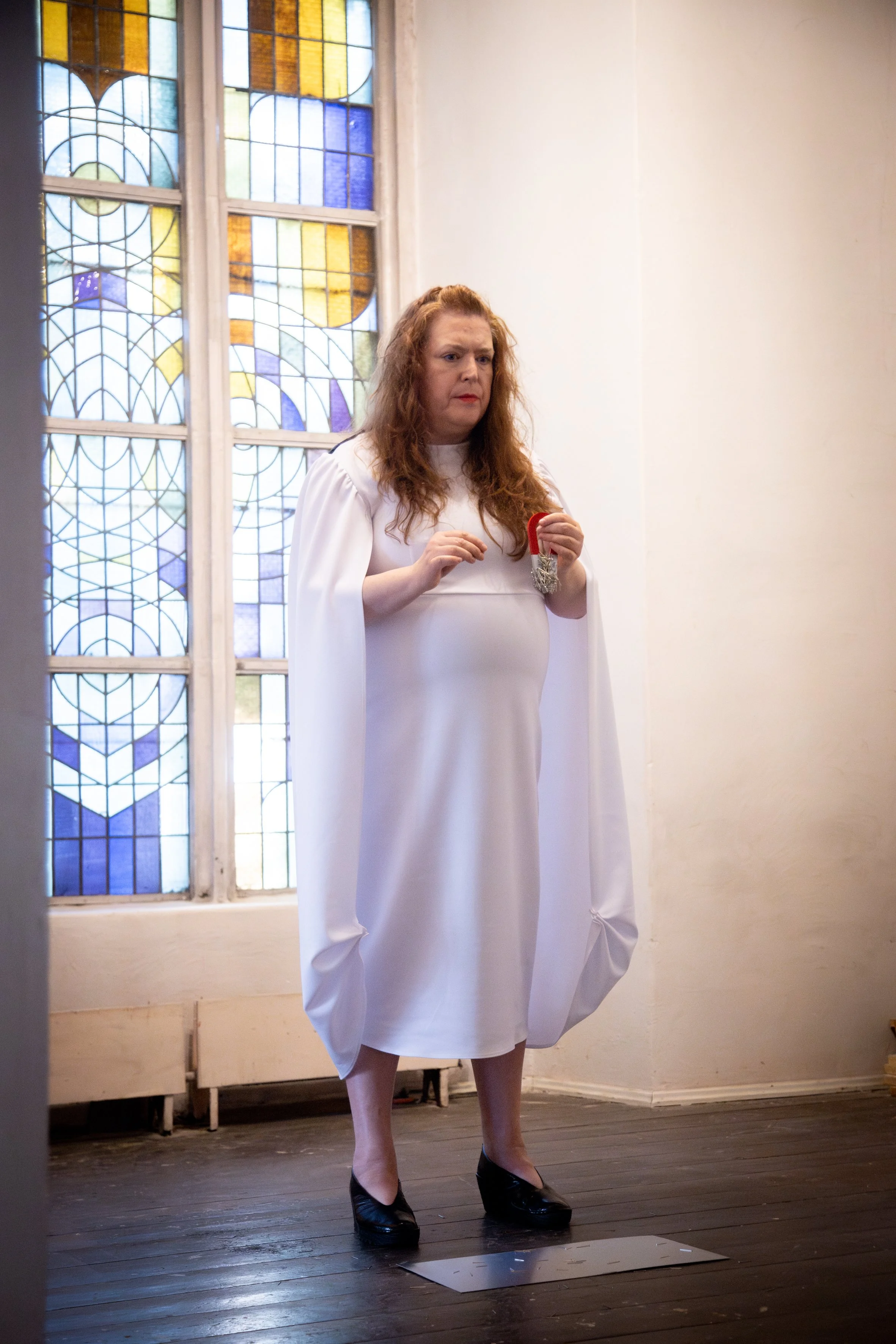
Laurel Jay Carpenter. "I Have Heard What the Talkers Were Talking, the Talk of the Beginning and the End" Photo by Kristaps Dubļāns
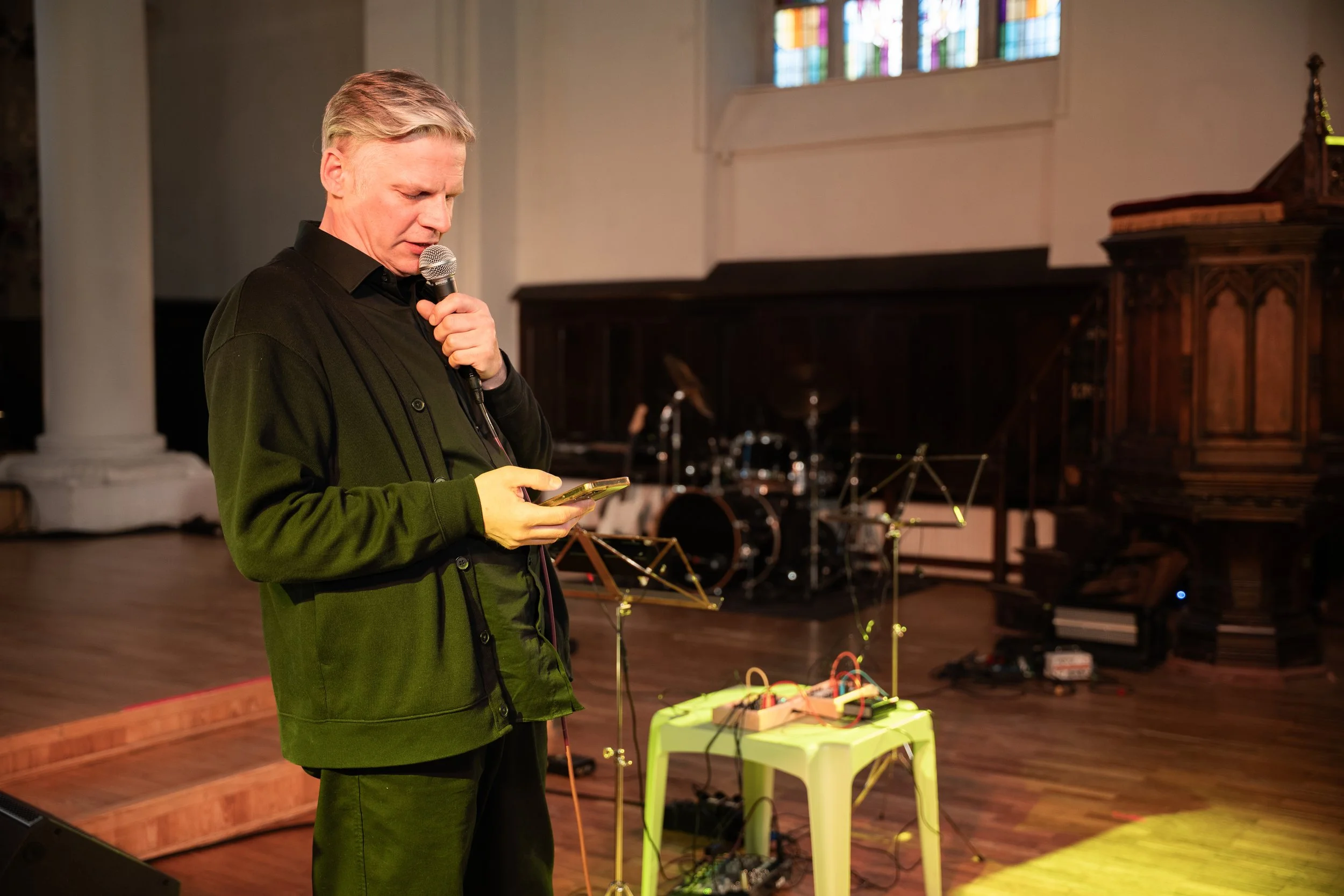
Magnus Logi Kristinsson. "Stories from the Unfortunate Attempt to Become a Fisherman" Photo by Anna Maskava
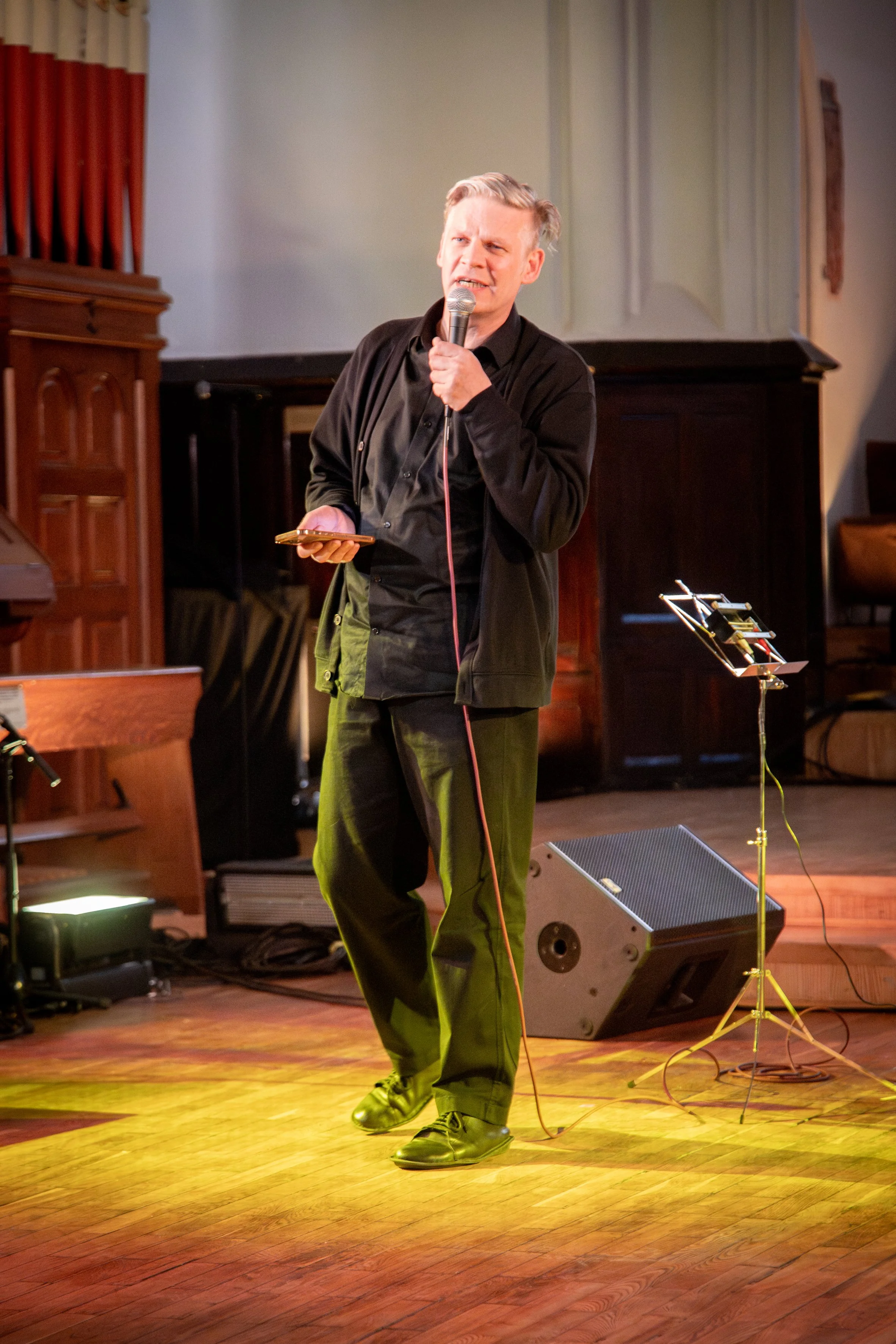
Magnus Logi Kristinsson. "Stories from the Unfortunate Attempt to Become a Fisherman" Photo by Kristaps Dubļāns
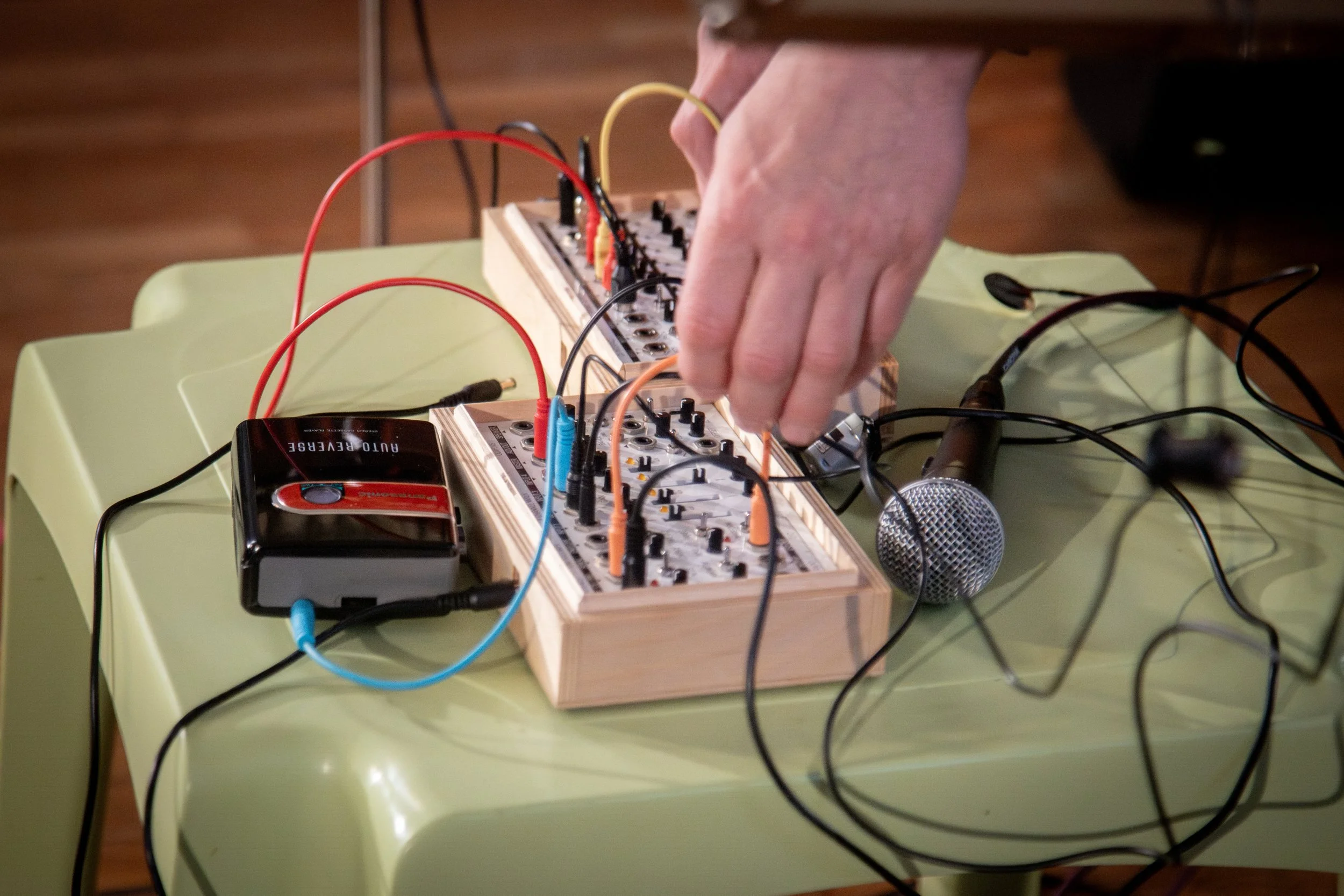
Magnus Logi Kristinsson. "Stories from the Unfortunate Attempt to Become a Fisherman" Photo by Kristaps Dubļāns
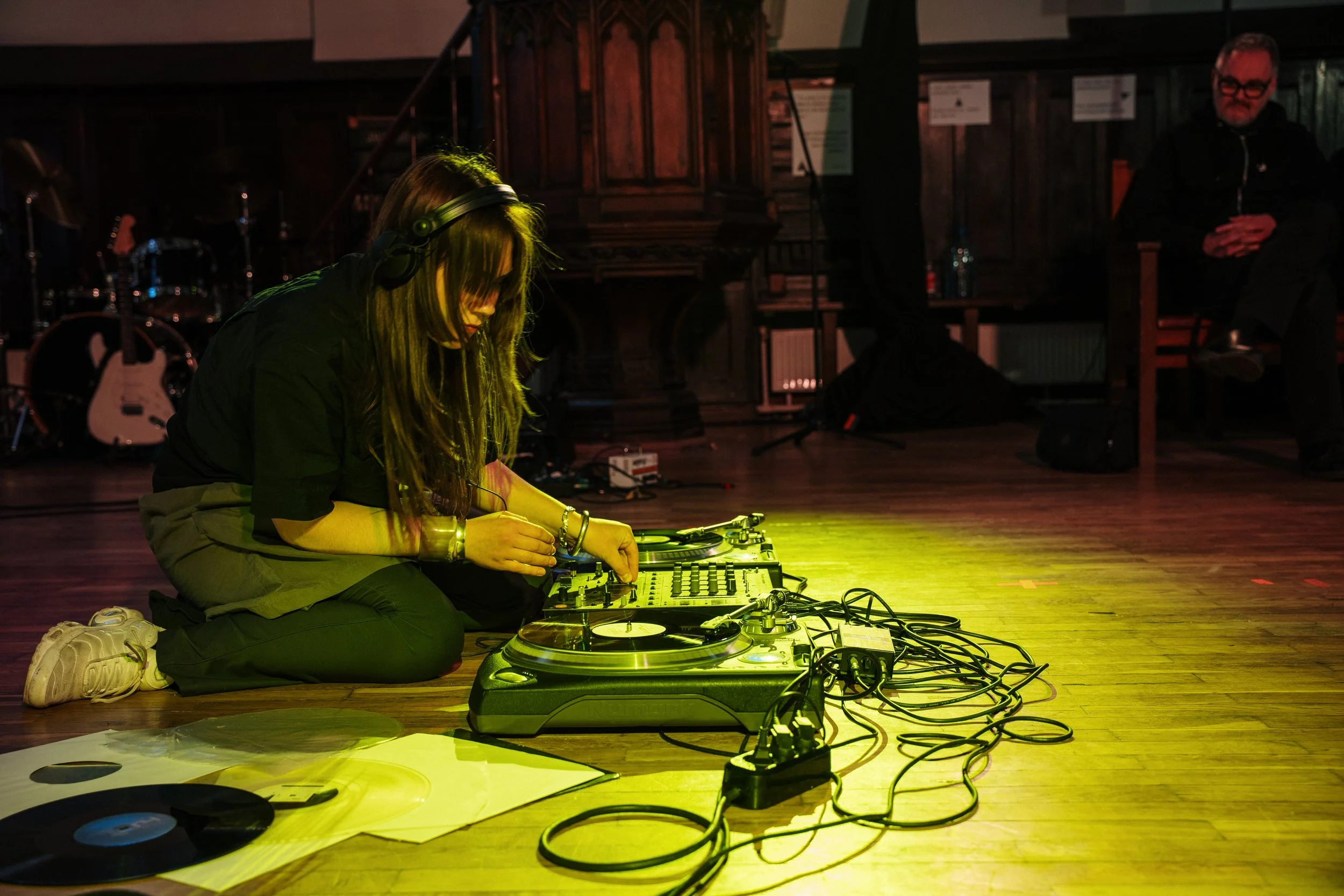
Mia-Stella Aaslaid. "+++" Photo by Anna Maskava
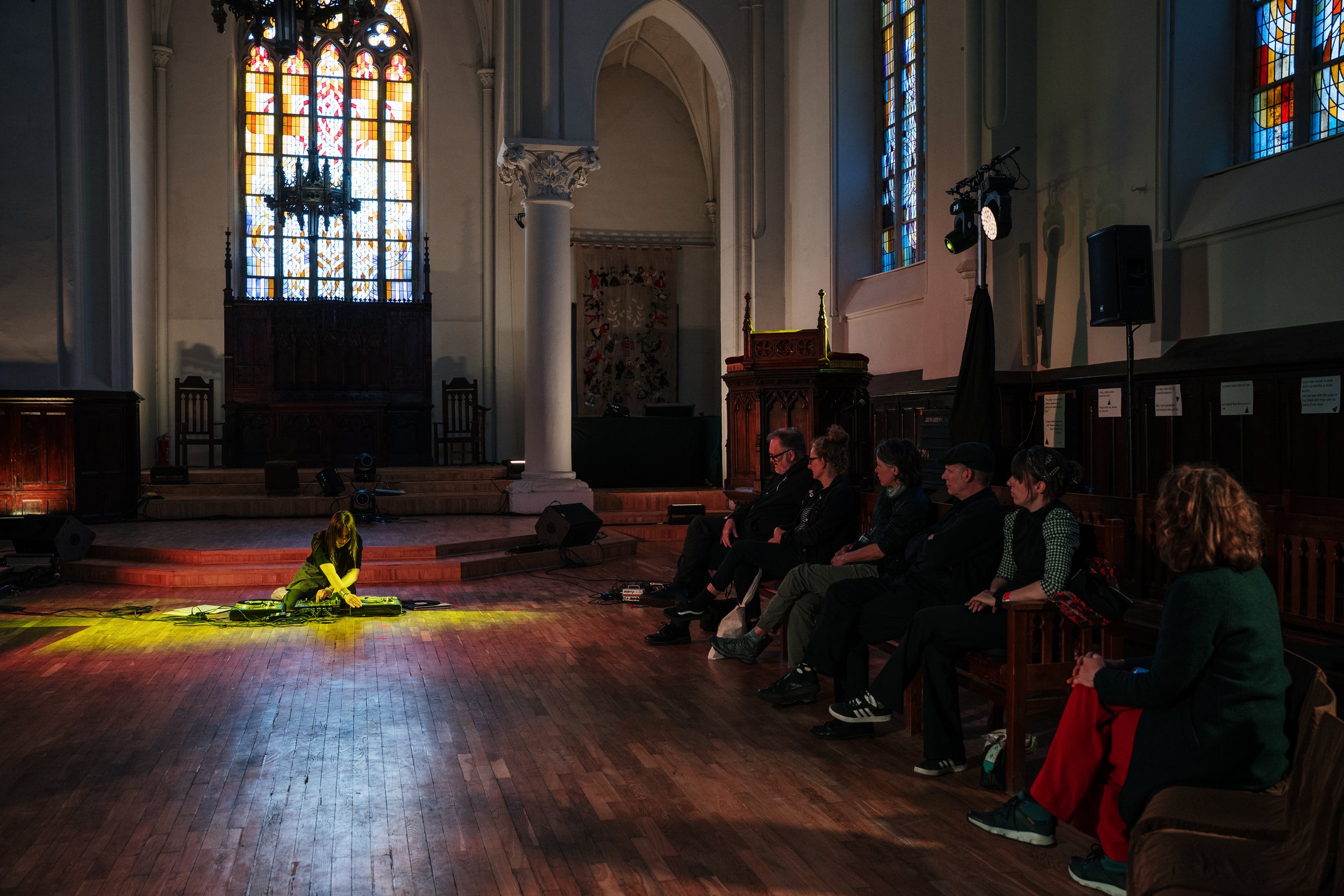
Mia-Stella Aaslaid. "+++" Photo by Anna Maskava
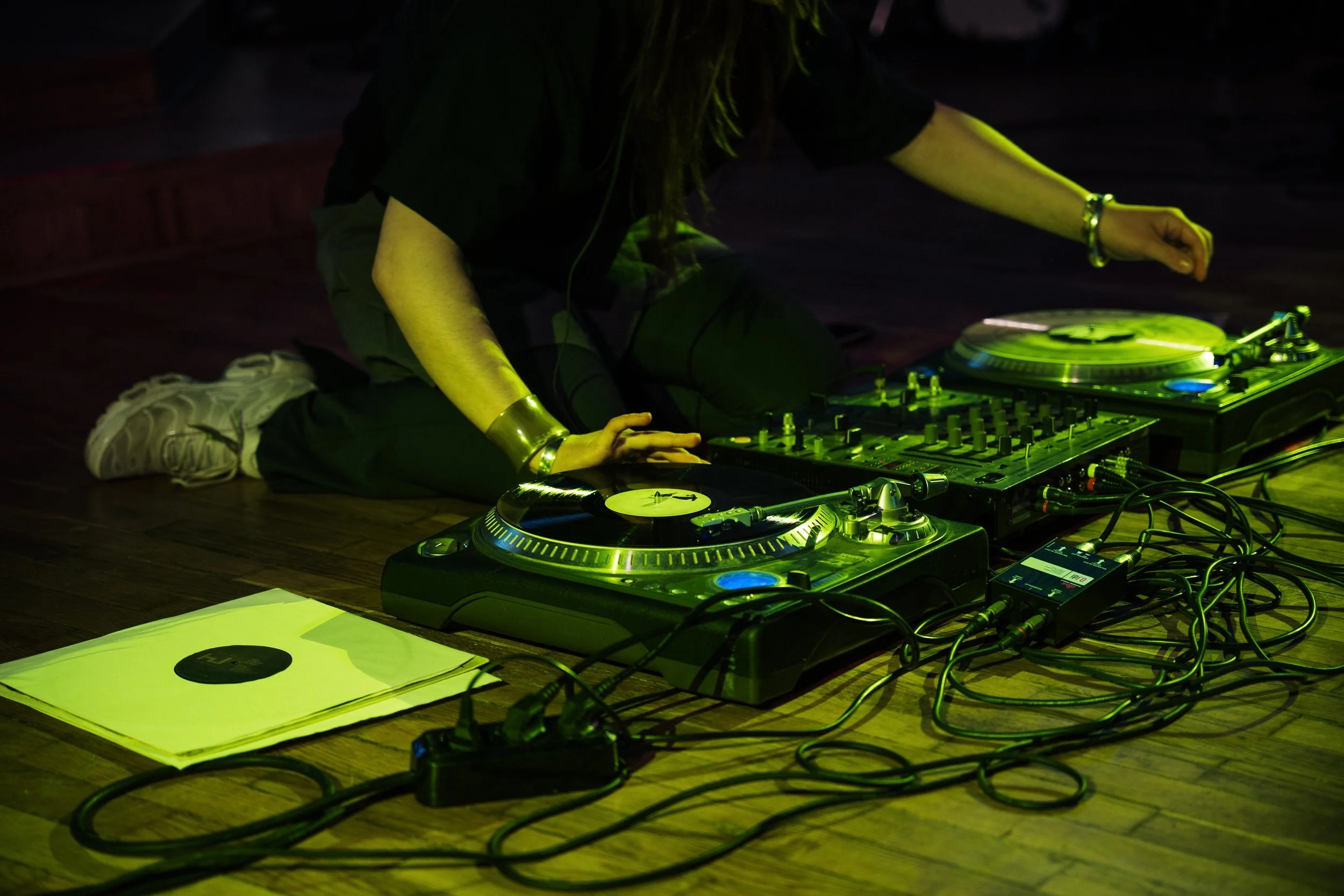
Mia-Stella Aaslaid. "+++" Photo by Anna Maskava